
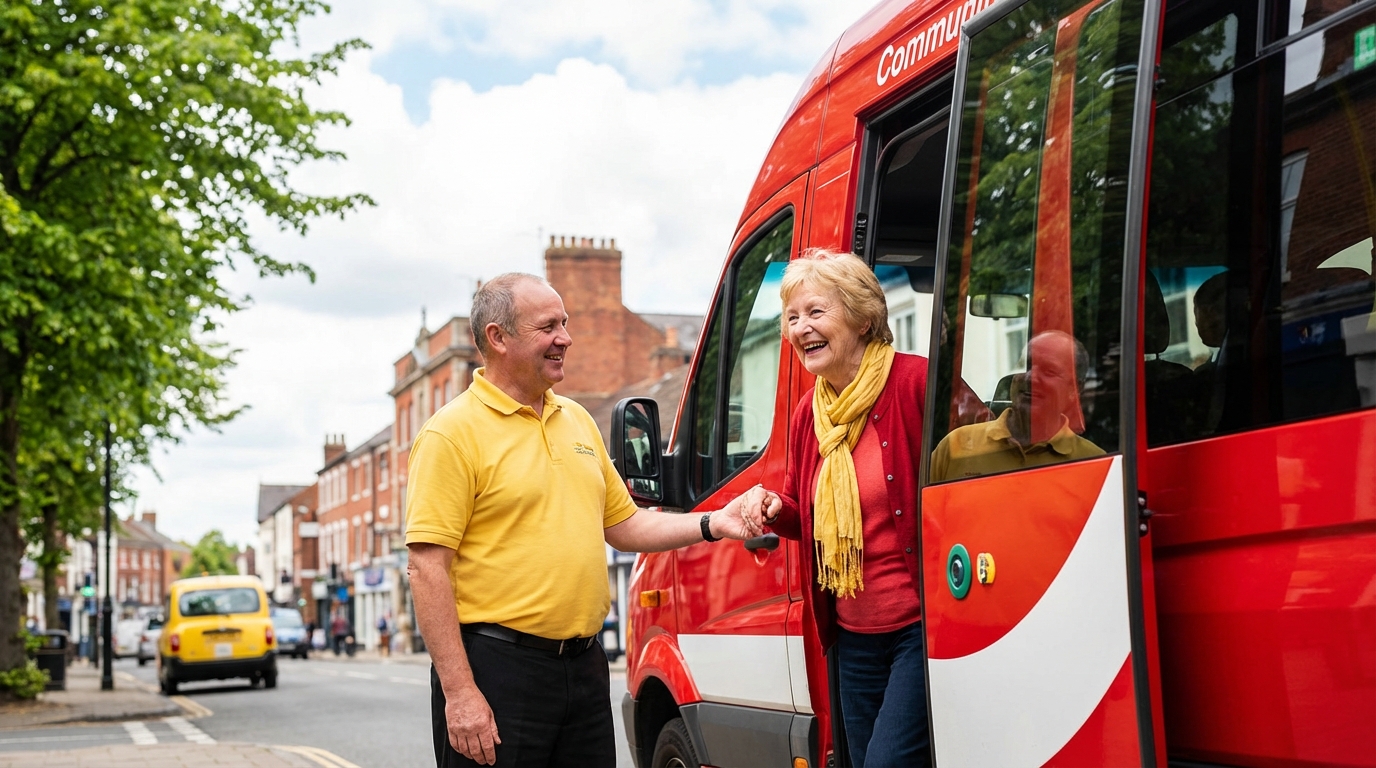
It is not easy to feel independent when you cannot drive yourself where you need to go. Many of us know that sinking feeling when the car keys are no longer an option, or when we have to keep asking someone for a ride and it starts to feel like a burden instead of a simple favor. If you are caring for someone who no longer drives, or you have stopped driving yourself, it can stir up worry, frustration, and even grief.
The short answer is that many transport services do exist for non-drivers, and when we combine a few of them, most people can continue to shop, see friends, get to appointments, and stay active in the community. The path usually involves learning what is available in your local area, matching those options to the person’s abilities, budget, and comfort level, and then building gentle routines so that using those services feels natural instead of stressful.
Losing the car keys does not have to mean losing independence. It simply means we build a new system of support around getting from place to place.
Understanding What Independence Really Means When We Do Not Drive
When we talk about “independence” for non-drivers, we are not always talking about doing everything alone. Many of us reach a stage where independence looks more like being able to decide what we want to do, and having safe, respectful ways to make that happen, even if someone else is driving.
For some older adults and people with disabilities, the most painful part is not the practical side of stopping driving. It is the feeling of losing control or becoming a burden. A big part of our role as caregivers, family, or community members is to protect the person’s sense of dignity while we build a new travel plan.
Independence for non-drivers is less about who is behind the wheel and more about who gets to make the choices about where to go and when.
Common Emotions When Someone Stops Driving
Many families walk through the same emotional pattern:
| Feeling | How it might show up |
|---|---|
| Loss or grief | Talking about “the good old days” of driving, reluctance to give up the car, sadness. |
| Anger or resentment | Blaming family members or doctors, arguing about driving ability, pushing back against new plans. |
| Embarrassment | Not wanting to ask for rides, avoiding social events, withdrawing. |
| Fear | Worrying about getting stranded, missing appointments, being stuck at home. |
| Relief | Quietly feeling safer, less anxious about accidents, but not always saying it out loud. |
When we understand these feelings, we can frame transport services not as “caregiving chores” but as tools that protect freedom and choice. It can help to say things like, “We are not taking away your independence. We are building you a new set of wheels, they just look different now.”
Main Types of Transport Services for Non-Drivers
Once we are ready to explore options, it helps to know the main categories of transport support that often exist in a community.
- Public transit and senior or disability passes
- Paratransit and door-to-door services
- Non-emergency medical transportation
- Volunteer driver programs and faith-based transport
- Ride-hailing services (app-based and call-in)
- Private drivers and companion driving services
- Community shuttles and senior center vans
- Family, friends, and neighbor ride networks
Each of these has its own strengths and limits. Most non-drivers rely on two or three of them instead of only one. The right mix depends on health, mobility, income, memory, and even personal comfort with technology.
Think of transport options like a toolbox. We rarely fix everything with one tool, but with the right mix we can handle most of what comes up.
Public Transit and Senior / Disability Passes
Many cities and towns offer:
- Buses
- Light rail or subway lines
- Community shuttles around shopping districts or key routes
There are often discounted fares or free passes for:
- Older adults
- People with disabilities
- Low-income riders
Caregivers can support by:
- Helping apply for senior or disability passes through the local transit authority.
- Practicing common routes together, like the trip to the grocery store or clinic.
- Making a simple route card with bus numbers, times, and landmarks.
- Checking if “travel training” is available. Some transit systems have staff who teach people how to use buses safely.
Public transit works best when the person:
- Can walk to and from stops or use a mobility aid with ramps or lifts.
- Can manage basic directions or can follow a written route plan.
- Is comfortable in crowds and with some noise.
Paratransit and Door-to-Door Services
Paratransit is a service usually run alongside public transit for riders who cannot use regular buses or trains because of disability or serious health conditions. It often includes:
- Door-to-door or curb-to-curb pick up
- Wheelchair-accessible vehicles
- Drivers trained in assisting people with mobility challenges
How it typically works:
| Step | What happens |
|---|---|
| Eligibility | The person fills out an application explaining health or mobility limits. A doctor or therapist may need to sign a form. |
| Approval | If approved, the rider gains access to special vans or cars within a certain distance of public routes. |
| Booking | Trips are scheduled at least one day in advance, sometimes several days. |
| Fares | Costs are usually modest, often similar to or slightly more than bus fare. |
Paratransit can feel slow or rigid, because riders share vehicles and times are grouped, but for many non-drivers it is a lifeline. It is especially helpful for:
- Wheelchair users
- People who fatigue easily
- Those who cannot manage transfers or stairs
For many families, paratransit is the bridge between “I cannot drive” and “I can still get where I want to go.”
Non-Emergency Medical Transportation (NEMT)
NEMT services focus on rides to medical appointments such as:
- Primary care visits
- Dialysis
- Cancer treatments
- Physical or occupational therapy
Possible sources:
- Medicaid or similar public insurance coverage
- Private insurance that includes transport benefits
- Hospitals and clinics that partner with ride services
- Special companies that focus on wheelchair or stretcher transport
Typical features:
- Advance booking, sometimes with a phone call to a broker or case manager
- Door-to-door service
- Wait-and-return options for short appointments
- Trained drivers who understand medical settings
NEMT is not for emergencies. If a person is in crisis, they still need 911 or emergency services. NEMT works best when appointments are planned and there is some flexibility in timing.
Volunteer Driver Programs and Faith-Based Transport
Many communities have volunteers who drive neighbors to:
- Medical visits
- Grocery stores
- Social events
- Religious services
These programs might be run by:
- Senior centers
- Faith communities
- Nonprofit organizations serving older adults or people with disabilities
Benefits:
- Low or no cost
- Friendly social contact
- Regular schedules for recurring needs
Things to be aware of:
- Rides may need to be booked several days ahead.
- Service areas may be limited.
- Some programs cannot carry wheelchairs or heavy mobility equipment.
For people who feel lonely, a volunteer driver can become a steady, comforting presence. The conversation on the way there and back can be just as valuable as the ride itself.
Ride-Hailing Services and Accessible Options
App-based services have opened new options for some non-drivers, especially those who:
- Live in areas with limited buses
- Prefer direct trips instead of shared rides
- Have the funds for short, private rides
Common barriers are:
- No smartphone or no comfort with using one
- Difficulty with vision or hand strength
- Worry about safety or riding with strangers
Ways families handle this:
- Caregivers manage the app and book rides on the person’s behalf.
- Some services allow call-in booking through a phone number instead of an app.
- Prepaid gift cards or business accounts can help those who do not use digital payments.
Accessible ride options sometimes include:
- Wheelchair-accessible vehicles in certain cities
- Service animal friendly options
- Programs where drivers receive extra training for older or disabled riders
Caregivers often ride along at first, so the person can become familiar with the process and feel safe.
Private Drivers and Companion Driving Services
Private drivers, either independent or through companies, can provide more personalized help:
- Waiting during appointments
- Helping with bags or mobility aids
- Escorting the person into the office or store
This option can be more expensive, so some families:
- Reserve private drivers for the most complex or tiring days.
- Share costs with other family members.
- Use them as backup when regular support falls through.
There are also “companion driving” or “senior concierge” services in some areas. These provide a person who both drives and assists, which can be helpful for:
- People with mild memory issues
- Those anxious about new settings
- Individuals with multiple mobility challenges
Community Shuttles and Senior Center Vans
Senior centers, housing complexes, or local governments sometimes run small shuttles or vans that rotate through:
- Grocery stores
- Pharmacies
- Senior centers
- Community events
These services usually:
- Have set days and times like “shopping days” or “pharmacy runs.”
- Offer regular routes, so riders know what to expect.
- Provide social contact with other riders.
For some non-drivers, the weekly shuttle becomes part of a comforting routine. They see familiar faces and look forward to the trip.
Family, Friends, and Neighbor Ride Networks
Many of us start here, but it can become stressful if there is no structure. To protect both independence and relationships, it often helps to create a gentler, clearer plan instead of last-minute ride requests.
Some families:
- Build a shared calendar for medical visits, shopping, and social trips.
- Assign “transport days” to different family members.
- Combine family rides with positive time together, like a shared lunch or walk.
Neighbors can also be part of the network, especially for:
- Short rides
- Emergency pick-ups when regular plans fall through
- Social visits and events
When rides are planned and shared fairly, the person feels supported instead of feeling like “a burden,” and caregivers feel less overwhelmed.
Choosing the Right Mix of Services for One Person
Every person is different. A 45-year-old with a visual impairment will likely need a different plan than an 88-year-old with arthritis and memory changes. It helps to slow down and think through what this specific person can do and what support they need.
Step 1: Look at Abilities, Not Only Limitations
Ask yourself gentle, honest questions:
- Can they walk a short distance, or do they use a cane, walker, or wheelchair?
- Can they manage a bus step or a curb with help?
- Do they feel confident speaking up to a driver or asking for help?
- How is their hearing and vision in busy environments?
- Do they remember directions, or do they need written prompts?
For memory challenges, ask:
- Can they safely ride alone if everything is familiar?
- Do they know their home address and a trusted phone number by heart?
- Are they likely to become disoriented if there is a delay or change?
This honest look helps us avoid overprotective choices that limit independence too much, as well as risky choices that expect more than the person can safely handle.
Step 2: Map Out Regular Destinations
On a simple sheet of paper or in a notebook, list out:
| Destination | How often | Priority level |
|---|---|---|
| Primary care clinic | Every 3 months | High |
| Grocery store | Weekly | High |
| Church / mosque / synagogue / temple | Weekly or monthly | Medium to high |
| Friends or social groups | Varies | Medium |
| Haircut, bank, pharmacy | Monthly | Medium |
This makes it easier to choose which services match which needs. For example:
- Use NEMT or paratransit for medical appointments.
- Use a weekly senior center shuttle for grocery trips.
- Use family rides or volunteer drivers for worship or social events.
Step 3: Match Services to Each Type of Trip
For each destination, you can ask:
- Does this need a door-to-door ride, or is a bus stop fine?
- Is timing strict, like a doctor visit, or more flexible, like shopping?
- Is the person more anxious about this type of trip?
- Is cost a major concern for this routine?
You might end up with something like:
| Trip type | Main option | Backup option |
|---|---|---|
| Medical visits | NEMT or paratransit | Family ride or volunteer driver |
| Groceries | Senior center shuttle | Ride-hailing service with caregiver support |
| Social visits | Volunteer driver program | Neighbors or ride-hailing |
| Religious services | Church/mosque/synagogue transport ministry | Family rotation |
Step 4: Plan Around Budget and Financial Help
Transport costs can add up, especially for frequent medical care. To protect both independence and finances, look into:
- Senior or disability discounts on bus and train passes
- Paratransit pricing and any reduced-fare programs
- Medicaid or regional programs that pay for scheduled medical rides
- Volunteer driver programs that are free or donation-based
Family conversations about money can be uncomfortable, but gentle honesty helps. Sometimes loved ones are more willing to reduce car expenses (insurance, gas, maintenance) when they see those funds going directly into safe, supported rides.
Safety Considerations for Non-Drivers
Maintaining independence does not mean ignoring safety. We protect dignity by planning ahead so that the person can travel without constant fear or confusion.
Physical Safety and Mobility
Things to think about:
- Can the person step into a car without twisting or falling?
- Are grab bars or special car handles helpful?
- Is a transfer board or swivel seat cushion necessary?
- Does the person need a lap belt outside of the vehicle for stability?
If someone has a history of falls, it is worth talking with a physical or occupational therapist about:
- Safe techniques for getting in and out of cars and vans
- Appropriate use of canes, walkers, or wheelchairs near curbs and ramps
- Simple exercises to strengthen legs and balance for transfers
Cognitive and Emotional Safety
For those with memory loss, confusion, or anxiety:
- A companion may need to ride along, at least for complicated trips.
- Drivers should be told in advance if the person may be slow or easily confused.
- Identification cards with address and emergency contacts should be easy to reach.
You can prepare:
- A small card that says: “My name is ___. If I seem confused, please call ___.”
- A routine phrase to reassure the person: “The driver has your address and I am tracking the ride. You are safe.”
- Calm breathing or grounding techniques for anxious riders.
Personal Safety and Trust
Some people feel fearful about riding with strangers, and that concern deserves respect. You might help by:
- Choosing services with background-checked drivers.
- Reading reviews or asking other caregivers about their experiences.
- Sitting in on the first few rides to build trust.
- Agreeing on boundaries, such as not sharing personal financial details with drivers.
No one should feel pressured to use a transport service that feels unsafe or uncomfortable. Comfort and dignity matter as much as convenience.
Technology Tools That Can Make Transport Easier
Not everyone enjoys technology, and that is perfectly fine. Still, in many families, a little bit of tech used by caregivers can make life easier for non-drivers without forcing them to learn new devices.
Ride-Booking Apps and Call-in Services
For those willing to use apps, benefits can include:
- Seeing driver information and car details before pickup
- Tracking the ride on a map
- Paying without cash
When apps feel overwhelming, caregivers can:
- Handle booking from their own phone, even from a distance.
- Put the rider’s phone number with the driver so they can call on arrival.
- Use call-in services that operate like a dispatch center for non-app users.
GPS and Location Sharing
Families sometimes feel safer when they can see where a loved one is during a ride. Options include:
- Location sharing on smartphones during transport times
- GPS devices that can be clipped onto a bag or keychain
- Alerts when the person reaches their destination
It is kind to discuss this openly with the person, so it feels like support rather than surveillance. Framing it as, “This helps me worry less so you can go out more” can help.
Digital Calendars and Reminders
To keep track of multiple transport services and times:
- Use a shared digital calendar for rides and appointments.
- Set reminders the day before to confirm arrangements.
- Post a printed weekly ride schedule near the door or phone.
For some older adults, a simple wall calendar with color codes for “doctor,” “shopping,” and “social” can feel easier than any app.
Building Routines That Support Confidence
Transport services help most when they become part of a steady rhythm, not just crisis solutions when something urgent comes up. Predictable routines can reduce anxiety for both the rider and the caregiver.
Practicing New Routes Together
When using a new service or route, it can help to:
- Make the first trip when you are not rushed.
- Ride along and point out landmarks and stops.
- Talk through each step gently, like “Now we find our seat, now we press the stop button,” and so on.
After returning home, you might sit together and write down:
- Which stop name to listen for
- Which side of the street to wait on
- What the driver or vehicle looked like
This helps the next trip feel more familiar and calmer.
Creating a “Ready-to-Go” Bag
A small, always-prepared bag can reduce last-minute stress. It might include:
- Photo ID and any transport passes
- Insurance cards
- List of medicines and allergies
- Emergency contact numbers
- A small bottle of water and a snack
- Incontinence supplies if needed
- Hand sanitizer and tissues
Knowing that everything is already packed can make it easier for the person to say “yes” to going out, because there is less to remember each time.
Allowing Extra Time and Buffer
Transport services, especially shared rides, can run early or late. Anxiety rises when everyone feels rushed. Helpful habits include:
- Booking earlier pickup times for critical appointments.
- Letting the clinic know the rider uses paratransit and may be early or delayed.
- Planning a small quiet activity (like a book or simple puzzle) for waiting areas.
It can also help to gently coach the person to view waiting as a normal part of the process, not a personal slight.
Advocating for Better Transport Options in Your Community
Sometimes, even when we use every tool available, gaps remain. Maybe there is no wheelchair-accessible taxi nearby, or no Sunday transport for worship services, or long waits for paratransit. It is reasonable to feel frustrated.
There are ways caregivers and older adults can raise their voices together:
- Attend public transit meetings or send written comments about needs.
- Join advisory councils for seniors or people with disabilities.
- Partner with local faith groups, senior centers, and disability groups to request better services.
- Collect stories from other non-drivers to show how gaps in transport affect daily life.
When we speak up together, we remind planners that accessible, reliable transport is not a luxury. It is part of basic community life.
Supporting Emotional Independence Alongside Physical Transport
Even if we line up the best mix of transport services, the emotional side still needs care. People who stop driving may feel that their world is shrinking. Our job is to gently push back against that feeling, with patience.
Keeping Social Connections Alive
Transport is not only about reaching the doctor. It is about:
- Seeing friends and family
- Attending religious or cultural gatherings
- Joining exercise or art classes
- Spending time outdoors in parks or gardens
When planning rides, try not to focus only on medical needs. A balanced calendar might include:
| Type of trip | Frequency |
|---|---|
| Medical | As needed |
| Groceries and errands | Weekly |
| Social or spiritual | Weekly or twice monthly |
| Recreation (park, cafe, library) | Monthly or more often if possible |
When people have something pleasant to look forward to, they often feel more motivated to manage the logistics.
Respecting Choice and Control
Even when others are doing the driving, the non-driver should hold as much control as safely possible. That might include:
- Choosing which days work best for outings
- Deciding which errands to handle on a given trip
- Having a say in which transport services they prefer
- Setting personal boundaries, such as not riding at night if they feel uneasy
When caregivers make all decisions without discussion, the person may feel sidelined. When we slow down and ask, “What feels best to you?” we support true independence.
Balancing Protection and Autonomy
Sometimes caregivers and family members worry so much about safety that they unintentionally limit independence more than necessary. Other times, families underestimate risk, and the person may be left to handle transport situations that are too demanding.
It is healthy to revisit the plan regularly:
- Once every few months, review what is working and what feels stressful.
- Talk with health professionals about whether abilities have changed.
- Make small adjustments rather than sweeping changes whenever possible.
If you feel your loved one is asking for a transport arrangement that truly is unsafe, it is better to be honest and explain the concern gently, rather than quietly agreeing. Safety and honesty are part of real care, even when they are uncomfortable.
Where to Start If You Feel Overwhelmed
When you are already tired from caregiving or managing your own health, researching transport options can feel like too much. You do not have to do it all at once.
A simple starting plan might be:
- Call your local Area Agency on Aging or equivalent office and ask what transport options they know about for older adults and people with disabilities.
- Ask your loved one’s clinic, dialysis center, or hospital social worker if they know of NEMT options or volunteer driver programs.
- Check with local senior centers or community centers about shuttles or van services.
- Talk with your faith community about rides to worship and gatherings.
From there, you can choose one or two services to try. After a few weeks, you can gently ask the person:
- “Which rides feel easiest for you?”
- “Is there any part of these trips that feels confusing or scary?”
- “What would you like to do more of now that you have these rides?”
Their answers can guide the next steps.
Independence for non-drivers grows one small success at a time. Each safe trip, each new routine, each shared laugh in a car or van helps rebuild confidence.
By combining practical services with patience, respect, and honest conversation, we can help non-drivers continue to live lives filled with choice, connection, and movement, even when they are no longer behind the wheel themselves.