It is not easy to look around a home that holds so many memories and quietly wonder, “Is this still safe for me, or for the person I love?” Many of us reach this point slowly, after a few close calls on the stairs, a scary slip in the bathroom, or a new diagnosis that changes what daily life looks like. If you are here, you are not alone, and you are not failing. You are doing what caring people do: looking ahead and trying to keep everyone safe, comfortable, and dignified at home.
The simple answer is that aging in place safely usually means a mix of small changes and bigger home modifications: better lighting, no-step entries, grab bars, non-slip floors, wider doorways, and easier-to-use fixtures. We start by looking at how someone actually lives day to day, then match the home changes to their real needs, budget, and health. Support from professionals like occupational therapists and home contractors who understand accessibility can help us create a home that works now and can adapt over time.
A good aging in place plan starts with one guiding question: “How can we make this home safer and easier, without taking away anyone’s independence or dignity?”
What “Aging in Place” Really Means for Families
Aging in place is simply staying in your own home, or a home that feels like your own, for as long as it is safe and realistic, rather than moving to assisted living or a nursing home. For many of us, that wish is deeply emotional. Home is familiar. The light in the kitchen, the photos on the walls, the neighbors who wave from across the street: these things calm us and help us feel like ourselves.
At the same time, our bodies change. Vision may get dimmer, joints may hurt, balance may suffer, and thinking may slow down. Tasks that once felt automatic, like stepping over a bathtub edge or carrying laundry down the stairs, quietly become risky.
This is why small, early changes matter. We are not trying to turn a house into a hospital. We are trying to gently adjust the house so it supports the person who lives there, rather than working against them.
When we match the home to the person, instead of forcing the person to struggle to match the home, we prevent emergencies and protect independence.
The Three Big Goals of Home Modifications
When we talk about aging in place, most changes fall under three simple goals:
- Safety: Preventing falls and injuries, especially in high-risk areas like stairs and bathrooms.
- Independence: Making daily tasks easier so the person can do as much as possible on their own.
- Comfort and dignity: Keeping the home familiar, calm, and respectful of the persons identity and preferences.
Every grab bar, every light switch change, every ramp is in service to one or more of these goals. When we keep these goals in mind, decisions become clearer and less overwhelming.
Start With a Home Safety & Needs Assessment
Before calling a contractor or buying equipment online, it helps to step back and calmly look at what is actually happening in daily life. A home that is safe for one person may be unsafe for another.
Questions To Guide Your Assessment
You might walk through the home together and gently ask:
- “Where do you feel unsteady or nervous?”
- “Have you fallen, or almost fallen, in the past year? Where?”
- “Are there rooms you avoid because they feel hard to use?”
- “Is there any part of the house that you dread dealing with each day?”
- “When you get up at night, can you see well enough to move safely?”
Table: Common Concerns vs Possible Home Changes
| Common concern | What might help |
|---|---|
| Fear of falling in the shower | Grab bars, non-slip flooring, shower chair, handheld shower |
| Trouble getting up from low furniture or toilet | Raised toilet seat, higher chair, armrests, lift cushion |
| Difficulty with stairs | Handrails on both sides, better lighting, stair lift, or main-floor bedroom |
| Nighttime confusion or wandering | Nightlights, clear paths, door alarms, simple signage |
| Weak grip or arthritis in hands | Lever handles, larger knobs, easy-to-turn faucets, electric openers |
Where To Get Professional Help With Assessment
You do not have to figure this out alone. Many families find support from:
- Occupational therapists (OTs): They look at how a person moves, thinks, and manages daily tasks, then suggest home changes and equipment.
- Certified aging in place specialists (CAPS): Contractors or designers with training in home modifications for older adults.
- Local aging services: Area Agencies on Aging, senior centers, and nonprofit groups sometimes offer home safety checks or can connect you with trusted providers.
When emotions are strong, a neutral professional eye can lower stress, reduce family conflict, and help everyone focus on safety and function.
General Home Modifications: Changes That Help Throughout the House
Some changes improve safety almost everywhere, not just in one room. These are often the best starting points because they reduce risk across daily life.
Lighting: Seeing Clearly, Day and Night
As we age, we usually need more light to see well. Shadows and glare also become more confusing.
Helpful lighting changes:
- Brighter, even lighting: Use higher-lumen bulbs with soft, warm tones. Aim for even light across hallways, stairs, and work areas.
- Night lighting: Plug-in nightlights or motion-sensor lights along hallways, in bathrooms, and near the bed.
- Switch location: Place switches at both ends of stairs and hallways, and near room entrances. Rocker switches are easier for arthritic hands.
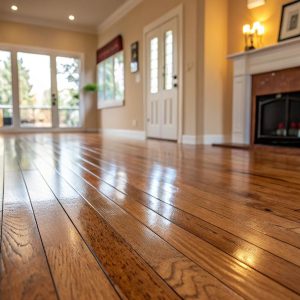
- Reduce glare: Use lampshades and matte finishes, and keep floors from being overly shiny.
Floors and Pathways: Reducing Tripping and Slipping
Small changes in flooring often prevent some of the most serious injuries.
- Remove tripping hazards: Declutter walkways, pick up loose cords, remove or tape down curled edges of rugs.
- Rugs and mats: If rugs must stay, use non-slip backing and low-pile rugs. Avoid thick or shaggy rugs in main pathways.
- Flooring choices: Non-slip vinyl, low-pile carpet, or textured tile can offer better traction than slick surfaces.
- Step heights and thresholds: Try to eliminate raised thresholds. Use low-profile transitions between rooms whenever possible.
Doors, Handles, and Hardware: Making Things Easier on Hands and Mobility
Weak grip, arthritis, and mobility devices can make standard hardware difficult.
- Door handles: Replace round knobs with lever handles, which are easier to press down than twist.
- Cabinet and drawer pulls: Use larger handles or D-shaped pulls instead of small knobs.
- Wider doorways: For wheelchairs or walkers, widen doorways to at least 32 inches of clear width if possible.
- Threshold ramps: Small, sturdy ramps over door thresholds can help walkers and wheelchairs pass smoothly.
Furniture Layout: Clear, Stable, and Supportive
Furniture can be a quiet helper or a hidden danger.
- Clear paths: Create at least 36 inches of walking space in hallways and main routes.
- Stable furniture: Avoid wobbly chairs and tables. Secure bookshelves to the wall.
- Right height seating: Chairs and sofas that are too low make standing difficult. Aim for seats where knees and hips are at about the same level, with firm cushions and armrests.
- Bed height: The bed should be high enough to stand from, but not so high that getting in is a climb.
Entryways, Stairs, and Getting In and Out Safely
Many falls happen at the very edges of a home: the front step, the porch, the driveway, or the staircase. Caring attention here can make a deep difference.
Outside Entry and Getting to the Door
- Level access: If possible, create at least one no-step entry with a gently sloped ramp.
- Handrails: Install sturdy, easy-to-grip rails on ramps and stairs, on both sides if space allows.
- Non-slip surfaces: Use non-slip treads or textured materials on steps and ramps.
- Lighting: Bright, motion-sensor lighting near doors, steps, and pathways to the driveway or mailbox.
- Weather protection: Coverings or awnings can reduce ice and snow on entries in colder climates.
Ramps vs Lifts vs “Stay on One Floor”
Different situations call for different solutions. It can help to pause and match the change to the person.
| Situation | Possible option | Notes |
|---|---|---|
| Mild mobility issues, occasional cane use | Short ramp, sturdy railings, one or two steps modified | Often lower cost, works for walkers later on |
| Regular wheelchair use | Longer, gently sloped ramp or vertical platform lift | Must consider space, weather, and maintenance |
| Stairs inside, person not safe on steps | Stair lift or moving bedroom and bathroom to main floor | Stair lift helps many, but not everyone tolerates it |
Sometimes the safest “modification” is to gently shift life to one main floor, even if the stairs stay in place, guarded by clear rules and railings.
Indoor Stairs
- Handrails on both sides: Secure, continuous rails help with balance and confidence.
- Good lighting: Light at both top and bottom, with switches at each end.
- Contrasting edges: Use contrasting tape or paint on stair edges to make each step easy to see.
- Non-slip treads: Apply non-slip strips or carpet with secure edges.
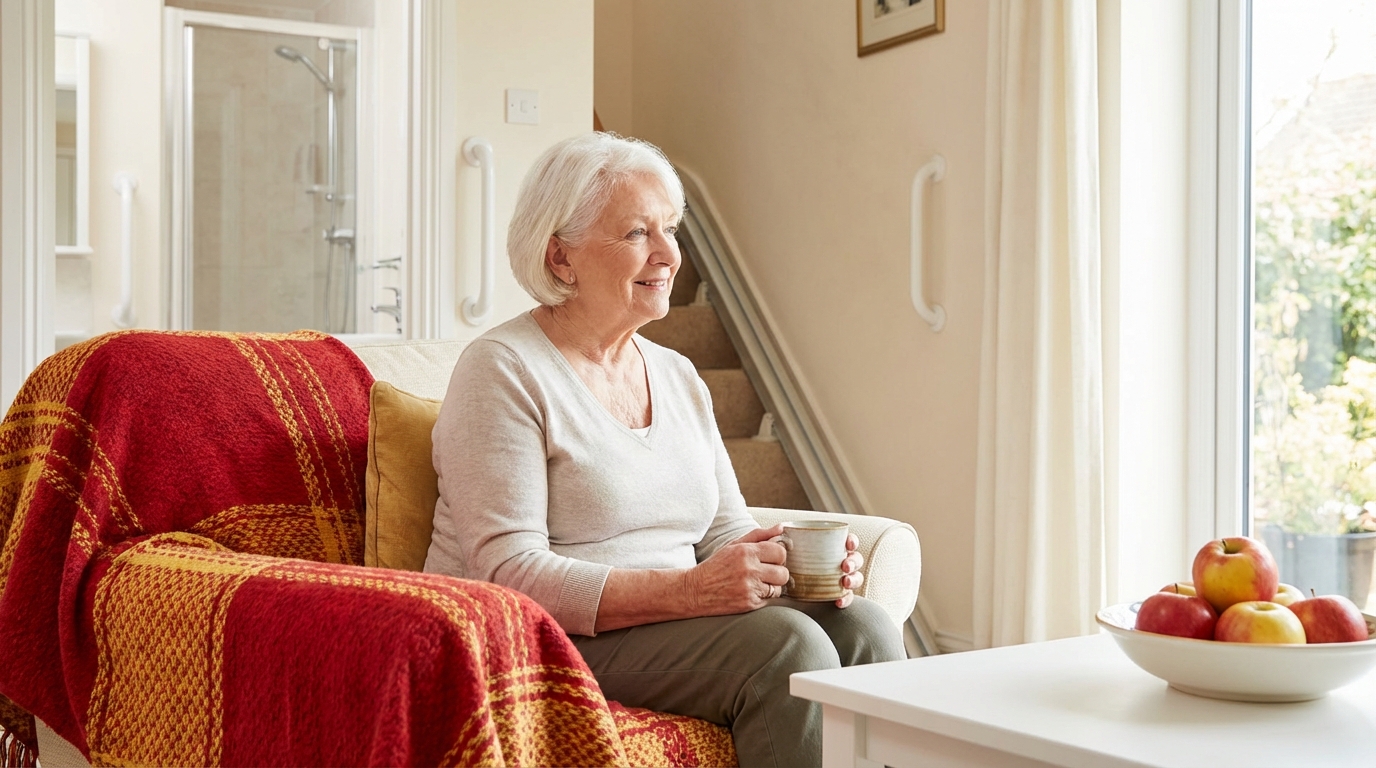
- Stair lifts: Helpful when climbing is no longer safe but transfers to and from the chair are still possible.
Bathroom Modifications: The Highest-Risk Room
The bathroom is small, often wet, and full of hard surfaces. Falls here can be serious, so many of the earliest and most urgent modifications go into this room.
Toilet Safety and Comfort
- Raised toilet seat: A higher seat reduces the strain on knees and hips when sitting and standing.
- Grab bars: Bars next to and behind the toilet give solid support. Place them where the person naturally reaches.
- Toilet frames or safety rails: Free-standing frames around the toilet can provide arm support without wall installation.
- Space around the toilet: Enough space for a walker or helper can prevent awkward, risky movements.
Shower and Bathing Safety
- Walk-in shower or low-threshold shower: Stepping over a bathtub edge is hard and risky. A curbless or low-curb shower is safer.
- Grab bars in shower or tub: Vertical and horizontal bars near entry and inside. Towel bars are not strong enough to trust for support.
- Non-slip surfaces: Textured flooring or non-slip mats with strong suction or backing.
- Shower seat or bench: Sitting reduces fatigue and the risk of slipping.
- Handheld shower head: Makes seated bathing easier and respects privacy while a helper stands nearby.
Sink, Storage, and General Layout
- Lever faucets: Easier to turn with weak grip or arthritis.
- Anti-scald devices: To prevent burns when judgment or sensation is reduced.
- Accessible storage: Keep daily items at about waist to shoulder height. Avoid heavy items in low or high cabinets.
- Floor clear of clutter: Minimal rugs and items on the floor, to reduce tripping.
Many families find that every dollar they spend on bathroom safety saves them heartache by preventing one serious fall.
Kitchen Modifications: Making Daily Tasks Safer and Easier
The kitchen is where many of us want to keep as much independence as possible. Safe design helps preserve that.
Layout and Work Surfaces
- Work triangle without long walks: Keep refrigerator, sink, and stove within short, clear reach.
- Seated work areas: A pull-out shelf or lowered counter section can allow food preparation from a chair or wheelchair.
- Non-slip flooring: Spills happen. Flooring that grips even when damp lowers risk.
Storage and Organization
- Frequently used items at mid-level: Store everyday dishes, pots, and food between shoulder and knee height.
- Pull-out shelves and drawers: Easier to access than deep back-of-cabinet spaces.
- Clear labels: Large-print labels on containers and shelves help with memory and visibility.
Appliance Safety
- Stove safety: Knob covers, automatic shut-off devices, or induction cooktops that stay cooler.
- Microwave placement: At counter height instead of over the stove, to avoid lifting hot items overhead.
- Refrigerator style: Side-by-side or bottom-freezer models reduce bending and reaching.
- Easy-grip controls: Large, clear knobs and buttons, with visual indicators that are easy to see.
Bedroom Modifications: Rest, Privacy, and Night Safety
The bedroom is a private, personal space. Changes here should feel respectful and comforting.
Bed Height and Transfers
- Comfortable height: The ideal height allows feet to rest flat on the floor while sitting, and makes standing up feel steady.
- Bed rails or handles: Small assistive rails on the side of the bed can help with turning and standing.
- Firm mattress: A mattress that is too soft makes moving and standing more difficult.
Nighttime Safety
- Clear path to the bathroom: No cords, piles, or small tables in the way.
- Nightlights: Soft lights along the path, in the bathroom, and near the bed.
- Bedside table layout: Keep phone, glasses, water, and medications within easy reach.
Managing Clothing and Storage
- Accessible closet: Lower rods, easy-to-open doors, and good lighting.
- Sturdy chair: For dressing while seated if needed.
Living Room and Social Spaces: Staying Connected
Shared living areas hold many memories and often host visits from family and friends. Modifications here should protect safety while keeping the warm feel of home.
Safe, Supportive Seating
- Chairs with arms: Armrests help with standing and sitting.
- Firm cushions: Sofas that are too soft can trap someone when they try to stand.
- Recliners with caution: Electric lift recliners can help some people stand, but watch for cords and tipping risk.
Clear, Calm Layout
- Wide walking paths: Arrange furniture so there are clear routes between doors, chairs, and the bathroom.
- Lower visual clutter: Too many knickknacks, patterns, and items can confuse someone with memory changes.
- Stable surfaces: Heavy coffee tables and end tables are safer than lightweight pieces that slide easily.
Technology and Home Safety Devices
Technology can quietly support aging in place when chosen and used thoughtfully. We do not have to adopt every new gadget, only what truly helps the person and the caregivers.
Common Helpful Devices
- Medical alert systems: Wearable pendants or watches that can call for help after a fall.
- Smart doorbells: Let caregivers or family see who is at the door and talk with visitors.
- Motion-sensor lights: Turn on automatically in hallways or bathrooms when someone moves.
- Automatic stove shut-off devices: Turn the stove off after a set time or when no motion is detected.
- Pill dispensers with alarms: Remind and dispense the correct dose at the right time.
Technology works best when it supports human caregiving, not when it tries to replace the steady presence of another person.
Designing With Dignity: Making It Feel Like Home
Many older adults resist home modifications because they fear their home will look like a clinic. That fear deserves respect. The goal is to make the home safer without stripping away comfort or identity.
Blending Safety With Style
- Thoughtful hardware choices: Grab bars and railings now come in many finishes and styles that look like regular bathroom or home décor.
- Color and contrast: Use color to highlight edges, steps, and grab bars while still matching the homes style.
- Personal touches: Keep familiar photos, blankets, and décor, especially in bedrooms and living rooms.
Supporting Cognitive Changes
For someone living with dementia or other cognitive challenges, design can calm or confuse.
- Simple, consistent layout: Keep items in the same place, with clear, predictable paths.
- Signage and labels: Large-print words or pictures on doors (like “Bathroom”) and drawers.
- Soothing colors and moderate patterns: Busy patterns on rugs or walls may look like obstacles or moving objects.
Planning, Budgeting, and Prioritizing Changes
For most families, money, time, and energy are limited. Trying to change everything at once can feel impossible. A calmer, step-by-step plan often works better.
Step 1: Address Immediate Safety Risks
Start with the highest risk of serious injury:
- Falls in the bathroom and on stairs
- Poor lighting along main paths
- Tripping hazards like loose rugs and cords
These changes are often lower cost but have a big impact on safety.
Step 2: Support Daily Independence
Once immediate dangers are lowered, look at what frustrates or exhausts the person:
- Difficulty getting on and off the toilet or in and out of bed
- Challenges cooking, doing laundry, or bathing
- Strain using stairs multiple times a day
This stage may include items like raised toilet seats, shower benches, or rearranging the home so that more life happens on one floor.
Step 3: Plan for Future Changes
Health needs can shift. It helps to think gently ahead without assuming the worst.
| Current situation | Plan now | Possible future change |
|---|---|---|
| Walks with a cane | Clear, wide paths; good railings | Add ramp or stair lift if walking worsens |
| Shower with small lip | Grab bars and non-slip mat | Convert to fully curbless shower if needed |
| Uses front steps carefully | Improve lighting and railings | Install ramp to door if steps become unsafe |
Finding Funding and Support
Some families can pay privately. Others need assistance. Sources to explore:
- Health insurance and long-term care policies: May cover some equipment like grab bars or lifts with a prescription.
- Medicaid waivers: In some regions, home modifications may be covered if they prevent nursing home placement.
- Veterans benefits: Veterans may qualify for grants for home accessibility changes.
- Local grants and nonprofits: Some community groups help with ramps, railings, and minor repairs.
Navigating Emotions and Family Conversations
Home modifications are not just a practical project. They touch pride, identity, and sometimes grief. The home is where a person has raised children, hosted holidays, and cared for others. Changing that space can feel like admitting something unwelcome about aging or illness.
Talking With Respect and Honesty
Here are some gentle approaches that often help:
- Use “we” language: “How can we make the bathroom safer so we both feel calmer about showers?”
- Focus on staying at home: “If we add a ramp and grab bars, it may help you stay here longer, which I know matters to you.”
- Start small: Begin with simpler changes like better lighting and non-slip mats, then build from there.
- Include the person in choices: Let them pick styles, colors, and locations whenever possible.
Home changes work best when the person living there feels heard, respected, and involved, not managed or overruled.
Recognizing When Home Is No Longer Safe Enough
This is the most painful part of the conversation for many families. There are times when no set of modifications can fully keep someone safe at home, especially if there are severe mobility or cognition changes and limited hands-on help available.
Some warning signs:
- Frequent falls, even after home safety improvements
- Wandering outside without awareness of danger
- Unsafe use of stove, tools, or medications despite supports
- Caregivers are exhausted or burned out, with no backup
Not every risk can be removed. Each family must weigh safety, independence, and resources. Sometimes, the most loving choice is to accept extra help in the home or to look at supportive living options. This does not mean aging in place has failed. It means needs have changed, and care is adapting.
Working With Professionals and Contractors Safely
Many home modifications need skilled installation. Poorly mounted grab bars or ramps that are too steep can cause more harm than good, so picking the right helpers matters.
Choosing Reliable Providers
When you speak with contractors or installers, you might ask:
- “Have you done accessibility or aging in place projects before?”
- “Can you show photos or references?”
- “Are you familiar with ADA guidelines or similar accessibility standards?”
- “Will you work with our occupational therapist’s recommendations?”
Common Red Flags
Watch cautiously for:
- Pressure to add expensive, unnecessary items
- No written estimate or vague pricing
- Unwillingness to provide references
- Lack of understanding of mobility or safety needs
Putting It All Together: A Sample Aging in Place Plan
Every home and family is different, but it can help to see how a staged plan might look.
Example: “I Want to Stay in My Two-Story Home”
Person: 78-year-old living with mild arthritis, one previous fall in the bathroom, uses a cane occasionally.
Phase 1 (Next 1 to 3 months):
- Install grab bars in shower and near toilet
- Add non-slip mat in shower and remove loose bath rugs
- Improve lighting in hallway, at stairs, and at entry
- Replace round knobs with lever door handles
Phase 2 (Next 6 to 12 months):
- Rearrange bedroom to the main floor guest room
- Set up a full bathroom on the same floor if possible, or partial bath plus nearby shower
- Raise toilet seat and adjust bed height
- Organize kitchen so daily items are reachable without step-stools
Phase 3 (Future, as needs change):
- Install a small ramp at the front door if stairs become harder
- Consider a stair lift if second floor must remain in use
- Add a shower chair and handheld shower if standing becomes tiring
Each step supports safety while keeping the persons wish to stay at home at the center.
Aging in place is not one big project, but a series of thoughtful adjustments that honor a persons history, health, and hopes for the years ahead.