
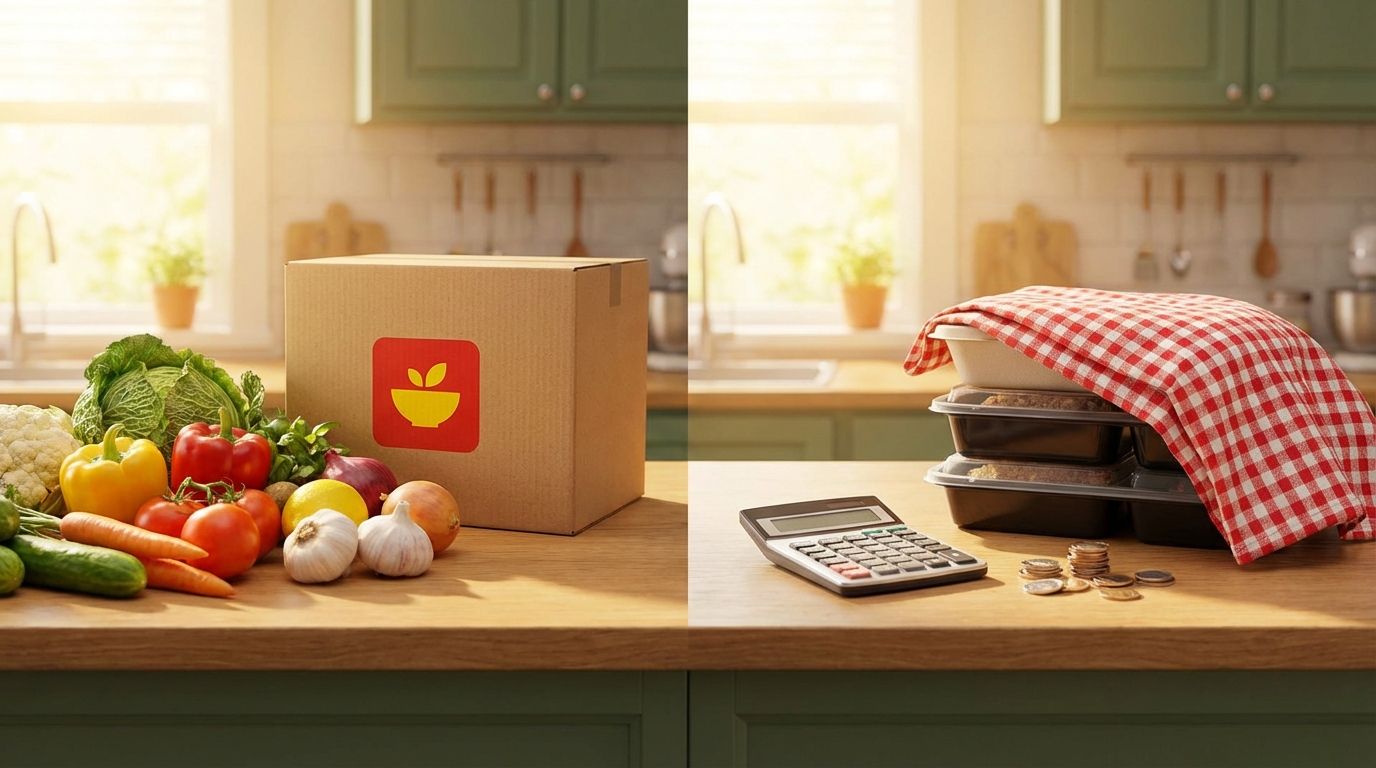
It is tiring to think about one more meal when your day is already packed with medications, appointments, laundry, and worry. Many of us reach a point where we stand in the kitchen, staring at the fridge, and think, “I just do not have one more dinner in me.” That is often when meal delivery services start to sound appealing, but also a little scary for the budget.
The short answer is that meal delivery services can be worth the cost when they clearly reduce stress, support health needs, and prevent skipped or last‑minute unhealthy meals. They are less likely to be worth it if they strain the budget, go uneaten, or complicate life instead of simplifying it. The best choice usually comes from matching the right type of service to your caregiving situation, health needs, and financial reality.
If a meal service protects the caregiver’s energy, helps the person eat safely and regularly, and still fits the budget, it is often money well spent.
We are going to walk through how to decide that calmly, with real numbers, examples, and questions that many caregivers do not realize they should ask before signing up.
Understanding the Different Types of Meal Delivery Services
Before we can talk about cost, it helps to be clear about what kind of service we are talking about. Not all “meal delivery” looks the same, and each type suits different caregiving situations.
1. Meal kit services (you still cook)
These are the services that send a box of ingredients and recipe cards. You get raw meat, vegetables, sauces, and simple directions. You still need someone who can:
- Read a recipe
- Stand at the stove
- Use a knife safely
- Do basic cooking tasks
These kits may help when:
- The caregiver or older adult can cook but has no energy for planning or shopping.
- You want to eat fewer take‑out meals.
- You are trying to stick to certain dietary guidelines like low sodium or diabetes‑friendly (if the service offers that).
They are often not a good fit when:
- The person has dementia and cannot safely follow steps in a recipe.
- There is a high fall risk, and standing in the kitchen is hard.
- Fine motor skills are limited, and cutting or opening packages is difficult.
2. Fully prepared, heat‑and‑eat meals
These services send meals that arrive either fresh or frozen. Most only require a few minutes in the microwave or oven and very little prep.
These can be helpful when:
- The caregiver is exhausted and needs something fast but more balanced than fast food.
- The person receiving care can still operate a microwave safely.
- Chewing and swallowing are fairly typical, or the service offers soft or pureed options.
They may not work well when:
- There are strict texture needs (for example, thickened liquids for swallowing issues) and the service cannot match those needs.
- The person is on a very restricted diet and the menu is too limited or not precise enough.
3. Senior nutrition and community meal programs
These include:
- Meals on Wheels and similar programs
- Local senior center or church meal deliveries
- Subsidized or free community meal services
They often offer:
- Low‑cost or donation‑based meals
- Menus planned with older adults in mind (lower sodium, balanced portions)
- Short visits from volunteers, which can also serve as wellness checks
For many families, these programs are the most budget‑friendly solution and can be paired with other options.
4. Grocery delivery and ready‑to‑eat store meals
Some families use grocery delivery combined with:
- Rotisserie chickens
- Pre‑washed salad kits
- Prepared soups
- Deli meals
This is not a formal “meal service,” but it can meet the same need: less time spent planning, shopping, and cooking, while still getting meals on the table.
Sometimes the best “meal service” is a simple mix of grocery delivery, a few prepared items, and family recipes that are easy to reheat.
What Are We Really Paying For?
When we look at the price of a meal service, it can feel shocking at first glance. To decide if it is worth it, it helps to break down what you are actually paying for, beyond the food itself.
The visible costs
These are the line items you will see when you sign up:
- Per‑meal cost (for example, 10 to 15 dollars per serving for many meal kits, 8 to 13 dollars for many prepared meals)
- Shipping or delivery fees
- Taxes
- Possible upcharges for specialty diets (gluten‑free, keto, etc.)
The hidden costs that we often forget to count
This is where caregiving changes the math. Without a service, the “cost of a meal” includes:
- Time spent planning meals
- Time and fuel for grocery trips
- Extra items tossed into the cart that were not planned
- Caregiver fatigue, which can lead to more take‑out or skipped meals
- Food waste from unused produce or meat that spoils
For many caregivers, the real question is not “Is this cheaper than cooking everything from scratch?” but “Is this cheaper than my current mix of last‑minute take‑out, wasted groceries, and physical exhaustion?”
Emotional and health costs
Meals are not only about money. They touch every part of health and caregiving:
- Regular meals can help stabilize blood sugar for diabetes.
- Balanced meals can support heart health and blood pressure.
- Eating enough protein and calories can slow weight loss and muscle loss in older adults.
- For many caregivers, less stress around food can lower burnout risk.
If a meal service keeps a caregiver from getting completely worn out, or prevents an older adult from skipping meals, there is real value there, even if it is hard to measure on a receipt.
Cost Comparison: Home Cooking vs Meal Services vs Take‑Out
Sometimes it is easier to decide when we can see the numbers side by side. These are approximate ranges, and they can vary by location, coupons, and sales, but they give us a helpful starting point.
| Option | Typical cost per person | Time & effort | Notes |
|---|---|---|---|
| Home cooking (from scratch) | 3 to 7 dollars | High (planning, shopping, cooking, cleanup) | Cheapest in dollars, “expensive” in caregiver energy and time |
| Meal kit services | 10 to 15 dollars | Moderate to high (still need to cook) | Less planning and shopping, more predictable portions |
| Prepared meal delivery | 8 to 13 dollars | Low (heat and eat) | Good for exhausted caregivers or seniors who can microwave safely |
| Fast food | 8 to 12 dollars | Low to moderate (ordering, pickup, or delivery) | Often higher in sodium and saturated fat, may not meet special diet needs |
| Sit‑down restaurant delivery | 15 to 25+ dollars | Low to moderate | Most expensive option, also often higher in sodium and calories |
| Community senior meal programs | Free to 8 dollars | Very low (sometimes home delivered) | Best value when available; menus may be less flexible |
If your current default is frequent restaurant delivery, a prepared meal service can sometimes save money and lower stress at the same time.
When Meal Delivery Services Are Often Worth the Cost
There are some patterns that come up again and again in families we support. In certain situations, the extra cost in dollars is balanced or even outweighed by gains in safety, health, and sanity.
1. The caregiver is burning out
If you are:
- Regularly skipping your own meals
- Eating standing over the sink
- Waking up worrying about what to cook tomorrow
- Snapping at loved ones around meal times
then food has become more than just a task. It has turned into a stress trigger.
In that case, a meal service that covers even 3 or 4 dinners a week can give you a buffer. You still might cook on the “better” days, but you are not carrying the full load every single night.
2. The person receiving care is losing weight or skipping meals
Unintended weight loss, low appetite, or skipped meals can slowly erode health, especially in older adults. A meal service can help when:
- You live far away and want to know that there is at least one reliable meal per day.
- Your loved one forgets to eat unless food is very visible and easy to prepare.
- Grocery trips are rare, and canned or snack foods have replaced full meals.
A regular, ready‑to‑heat meal in the fridge can be easier to eat than a shelf of ingredients that still need to be turned into something.
3. Special diets are required
Conditions such as heart disease, kidney disease, diabetes, and celiac disease come with real food rules. Many caregivers feel frightened of “getting it wrong” and either cook the same few meals over and over or give up and outsource to restaurants.
Some meal services offer:
- Carb‑conscious meals for diabetes
- Low sodium options for heart health
- Renal‑friendly options for kidney disease
- Gluten‑free menus
If a service is designed by dietitians and fits your loved one’s medical plan, it can take a weight off your shoulders and help prevent complications that might lead to hospital stays.
4. Hospital discharge or recovery periods
Right after a surgery, stroke, fall, or major illness, energy and mobility are low. During those first few weeks, the priority is often:
- Staying hydrated
- Eating enough protein and calories to heal
- Taking medication with food on schedule
- Keeping the caregiver from collapsing under extra demands
Setting up a short‑term meal delivery plan for this period can give everyone room to breathe. You can always taper back to more home cooking once routines settle again.
5. When there is no driver in the home
If no one in the household drives anymore, then “just going to the store” stops being simple. Relying on rides from others or paying for rideshare services for every grocery trip can be exhausting and costly.
A mix of:
- Prepared meals
- Frozen entrees
- Grocery delivery
can offer more stable access to food, especially when bad weather or illness makes travel harder.
When Meal Delivery Services Might Not Be Worth It
Meal services are not always the right answer. Sometimes they add stress or strain that is not healthy for the family.
1. The cost leads to cutting corners elsewhere
If paying for meals means:
- Falling behind on rent, utilities, or medications
- Putting important medical appointments at risk
- Using credit cards in a way that will add long‑term debt
then the service is probably not a healthy choice. In that case, lower‑cost community resources often make more sense.
2. The meals do not match taste or culture
Food is deeply personal. If the meals do not reflect:
- Comfort foods your loved one recognizes
- Religious or cultural food traditions
- Spice levels and textures they enjoy
they may simply not eat them. Paying for meals that stay in the freezer or end up in the trash is rarely worth it.
Sometimes, rotating in one or two meals that feel familiar, and cooking favorite foods on other days, works better than trying to force a full schedule of unfamiliar dishes.
3. The person cannot safely reheat meals
If your loved one:
- Forgets food in the microwave or oven
- Has burned themselves on hot dishes
- Places metal in the microwave by mistake
a standard prepared meal service may not be safe without someone there to help. You might need:
- Meals that can safely be eaten at room temperature
- A caregiver, neighbor, or aide who can heat and serve the food
- Day programs or senior centers that serve hot meals on site
4. The service complicates life instead of easing it
Sometimes, strict delivery windows, constant need for someone to be home, and confusing menus actually add stress. If you find yourself:
- Arguing with the company about missed deliveries
- Struggling to pause or cancel
- Constantly adjusting shipments to avoid waste
then the service is not doing its job of making life simpler. In that case, it can help to step back, cancel, and try a more flexible option.
How To Evaluate Whether A Service Fits Your Situation
Instead of asking “Are meal services worth it?” in a general way, it helps to ask, “Is this particular service worth it for our family, right now?” Here is a simple process many caregivers find calming.
Step 1: Clarify your main goal
Ask yourself:
- Is the main goal to save money compared to take‑out?
- Is the main goal to protect caregiver energy?
- Is the main goal to meet a medical diet?
- Is the main goal to keep someone fed while living alone?
Try to pick one primary goal and one secondary goal. This keeps decisions clearer.
Step 2: Track your current meal costs honestly
For one to two weeks, write down:
- Every grocery trip and amount spent
- Every restaurant or fast food order
- Deliveries and their fees
- Food that is thrown away because it spoils or is uneaten
You may find that the “cheap” way of doing things is not as cheap as it feels, especially with impulse buying and food waste.
Step 3: Put the numbers side by side
Compare:
- Your average total food spending per week
- Your stress level around food (low, moderate, high)
- Any health issues tied to eating patterns (weight loss, blood sugar, blood pressure, etc.)
Then look at the meal service’s cost:
- What would one week of meals cost for the number of people in your home?
- Does the service replace all meals, dinners only, or just a few nights?
- How will this change your grocery budget? Can you reduce store trips or take‑out?
Step 4: Walk through a single day with the service
Picture a regular day and ask:
- Who receives the box, and where will it be stored?
- Who heats the meal?
- Is there any packaging that is hard to open for someone with arthritis?
- What happens if a delivery is late or missing?
If the imagined day feels calmer and safer, that is a good sign. If you find yourself adding a lot of extra steps “just in case,” the service might not be a true relief.
Step 5: Try a time‑limited experiment
Instead of committing long term, you might:
- Order a sample box or one week’s plan.
- Use it just for the most stressful nights (for example, Mondays and Wednesdays after therapy appointments).
- Check in with everyone in the home about how it felt: Was it easier? Tasty enough? Worth the price?
You can then either expand, adjust, or cancel based on real experience rather than guesswork.
Treat meal services like a short experiment, not a permanent decision. You are allowed to change your mind as your needs change.
Special Considerations For Different Health Needs
Certain diagnoses change what “worth the cost” looks like. Food becomes part of the care plan, not just a daily chore.
Diabetes
With diabetes, regular meal timing and controlled portions of carbohydrates matter quite a bit. When evaluating a service, look for:
- Clear nutrition labels, especially total carbohydrates and added sugars.
- Meals with fiber, protein, and healthy fats, not just refined starches.
- Reasonable portion sizes that do not spike blood sugar.
Some services offer “diabetes‑friendly” or low carb choices. These can help avoid large blood sugar swings that might otherwise lead to hospital visits or complications.
Heart disease and high blood pressure
Sodium can quietly build up over the day. If your loved one has heart failure or high blood pressure, a meal that tastes “normal” may still be too salty.
When reviewing options:
- Check how many milligrams of sodium are listed per meal.
- Ask if they have heart‑healthy or low sodium menus.
- Be cautious with sauces, gravies, and processed meats.
If the service is committed to heart‑healthy guidelines, the extra cost might protect your loved one from fluid overload, shortness of breath, or emergency room visits.
Kidney disease
Kidney disease often comes with complex diet limits on:
- Sodium
- Potassium
- Phosphorus
- Protein, depending on stage and whether dialysis is involved
For this group, it is usually not safe to guess. You may want to:
- Look for renal‑specific meal programs.
- Ask to speak to the service’s dietitian for clarity.
- Share menus with your nephrologist or kidney dietitian before relying on them.
Dementia or cognitive decline
Food and eating can be affected by:
- Forgetting to eat or how to use appliances
- Changes in taste and smell
- Difficulty following multi‑step instructions
Meal kits that require cooking are usually not safe or realistic for someone living with dementia on their own. Prepared meals can still help if:
- A caregiver can heat and serve them.
- Food is plated in simple, familiar ways (not in containers that look strange or confusing).
- Meals are plain enough not to overwhelm the senses, but tasty enough to encourage eating.
Swallowing problems (dysphagia)
If your loved one needs thickened liquids or a modified texture diet, many standard meal services will not meet their needs. You may need to look for:
- Specialized companies that create mechanical soft, minced, or pureed meals.
- Clear labeling about texture and consistency.
- Guidance from a speech‑language pathologist about which foods are safe.
In these cases, the “worth” of the service is directly linked to safety and risk of choking or aspiration pneumonia. This may be an area where spending more for the proper texture is very justified.
Finding Financial Help And Lower‑Cost Options
If a meal service feels like the right type of help but the price is painful, there are some paths that might ease the burden.
Community and government programs
Depending on your location and eligibility, you might find:
- Meals on Wheels or similar programs that ask for a small donation or offer free meals.
- Senior centers that provide low‑cost lunches, sometimes with delivery.
- Medicaid waiver programs that include meal support as part of home care.
- Local Area Agency on Aging programs with meal assistance.
It can take a few phone calls to get clear information, and that can feel draining. If you have a social worker, care manager, or hospital discharge planner, you might ask them to help start those calls.
Insurance and disease‑specific programs
In some cases:
- Medicare Advantage plans may offer short‑term meal delivery after a hospital stay.
- Some cancer centers or heart programs partner with meal services for certain patients.
- Charities focused on illnesses such as HIV/AIDS, cancer, or heart disease may sponsor meals for people in treatment.
The rules can be strict, and coverage is not guaranteed, so it is better not to assume help will be available without checking.
Mixing and matching to protect the budget
You do not have to choose all or nothing. Many families do well with:
- 1 to 3 delivered dinners per week on the hardest days.
- Simple home‑cooked meals the other days (soups, slow cooker dishes, sandwiches).
- Monthly or weekly grocery delivery of staples to avoid long trips.
This approach can keep costs lower than a full weekly service, while still giving you the relief of “someone else handled dinner” on the most difficult days.
Practical Tips For Getting The Most Out Of A Meal Service
If you decide to try a service, a few small steps can make it work better for you.
1. Use trial discounts wisely
Many companies offer:
- Introductory discounts for the first 1 to 3 boxes
- Referral credits if a friend signs up
- Coupons through email or mailers
This can give you a lower‑risk way to see if the food quality, taste, and portion sizes fit your home.
2. Do not over‑order at first
It is tempting to cover every single meal, but in the beginning you might:
- Order fewer meals and see how many get eaten.
- Notice if there is enough freezer space for extras.
- Pace deliveries so food does not pile up and expire.
If you see that all meals are used, you can slowly add more.
3. Build routines around the meals
For older adults, routine can make eating more reliable. You might:
- Place the day’s meal on a certain shelf in the fridge where it is easy to see.
- Use a simple sign on the fridge like “Today’s lunch” or “Tonight’s dinner.”
- Set a phone or clock reminder for meal times, especially if you live at a distance.
4. Adjust seasoning and sides
Even good prepared meals sometimes need a personal touch. You can gently improve them by:
- Adding fresh or frozen vegetables on the side.
- Keeping low‑sodium seasoning blends or herbs nearby.
- Serving with simple extras such as yogurt, fruit, or bread if more calories are needed.
Tiny touches can make a meal feel more like “home food” and less like something from a box.
5. Keep an eye on how everyone feels
Every few weeks, pause and ask:
- Has my stress around meals dropped?
- Is my loved one eating better, worse, or about the same?
- Is our budget holding up, or do we feel stretched?
You might talk with your loved one’s doctor if you notice changes in weight, appetite, blood sugar, or blood pressure, and share how the meal plan fits into those changes.
You are allowed to stop, switch, or scale back a meal service whenever it no longer serves your family’s needs. This is not a failure. It is part of caring thoughtfully.
Checklist: Questions To Ask Before Signing Up
Here is a simple checklist you can print or keep nearby when you review meal services:
Budget questions
- What is the true cost per meal, including shipping and fees?
- How many meals per week am I planning to order?
- How will my grocery and take‑out spending change?
- Can my monthly budget carry this cost comfortably, without sacrificing other needs?
Health and safety questions
- Can this service meet our medical diet needs (diabetes, heart, kidney, etc.)?
- Are nutrition facts clearly listed?
- Can my loved one safely heat and eat these meals alone?
- Do we have enough fridge and freezer space?
Practical questions
- How flexible are delivery days and times?
- How easy is it to pause, skip, or cancel?
- Is the packaging easy to open for someone with weak hands or arthritis?
- What happens if a box is late, damaged, or missing items?
Emotional questions
- Will these meals feel comforting and familiar to the person eating them?
- Will using this service ease my guilt, or increase it?
- Is there any shame or stigma attached to this choice in our family, and how can we talk about it kindly?
Sometimes caregivers feel that paying for help means they are “failing” at their role. In reality, many of us reach a point where sharing this load is a sign of wise care, not weakness.
You are not less loving if you let a meal service handle dinner. You are one person, carrying a lot. Protecting your strength is part of caring well.