
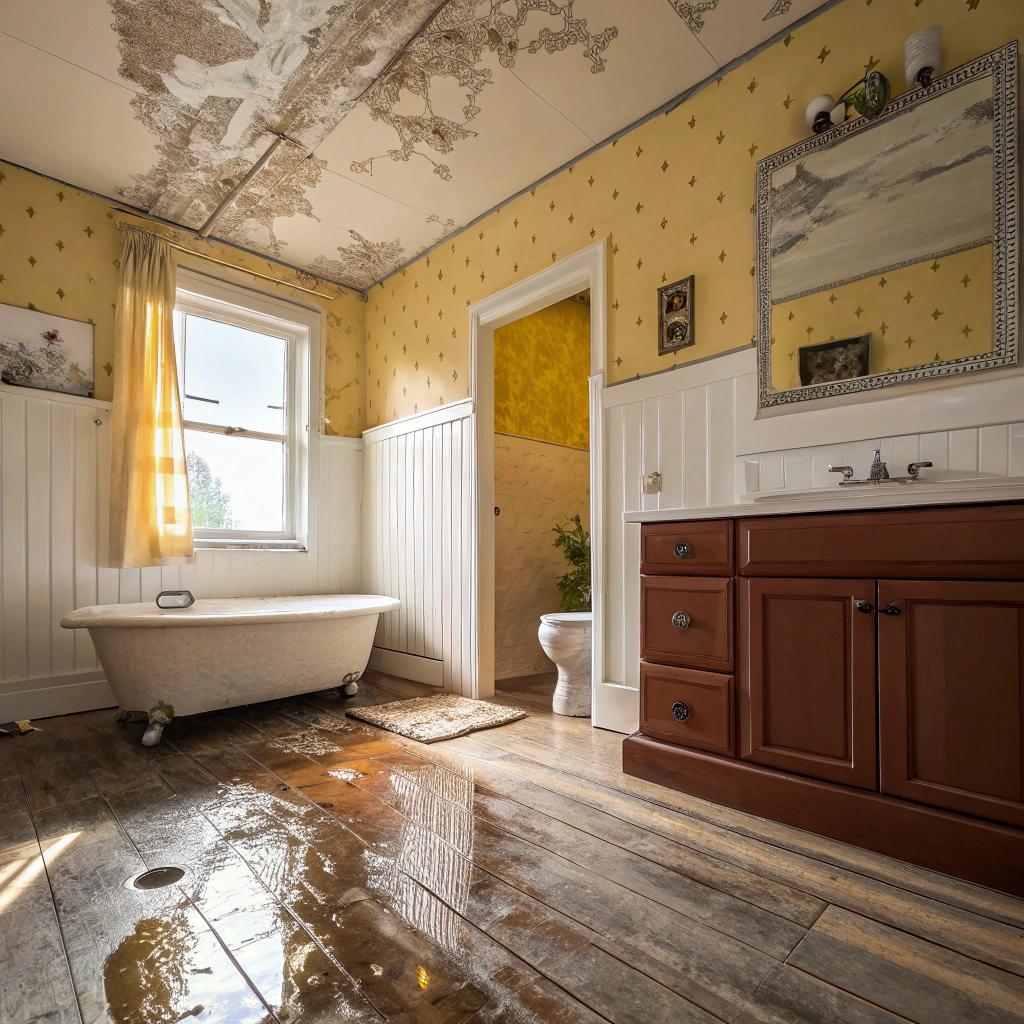
If you care for an older adult, a child with health needs, or a family member with mobility limits, water on the floor is not just a home repair problem. It is a safety and health problem. In Salt Lake City, where winter snow, spring thaw, and surprise summer storms can all push water into basements and bathrooms, knowing a few simple Salt Lake City water damage steps can help you protect the person you care for and yourself.
I want to walk through this in a practical way. Not as a contractor, more as someone thinking about daily life, wheelchairs, walkers, medications, and oxygen cords trailing across the floor. The repair work matters, of course, but for caregivers the first questions are different:
Is the person safe? Can they use the bathroom? Can I keep them warm and dry? Can we still stay in this room tonight, or not?
Safety first when water shows up
The first minutes after you spot water are usually stressful. You might feel pulled in two directions. Check the house or stay with your family member. Move furniture or find towels. It is easy to get flustered. I tend to make a quick mental checklist so I do not forget the basics.
Check on the person before the house
Your home can be fixed. A broken hip cannot. So start with the person you care for, even if the water looks serious.
Make sure the person you care for is safe, dry, and able to breathe well before you worry about property damage.
Ask yourself:
- Are they at risk of slipping if they try to stand or walk toward the water?
- Do they use a walker, cane, or wheelchair that might skid on a wet floor?
- Do they have breathing problems that could be worsened by damp air or mold later?
- Are any medical supplies, feeding tubes, or wound dressings getting wet?
If you feel rushed, you can still take 1 or 2 minutes to:
- Move them to a dry room, even if it means a temporary chair or bed.
- Wrap their feet in dry socks or put on shoes with grip.
- Grab a blanket if the air feels cool. Wet floors can drop room temperature a bit.
I once tried to mop up a bathroom leak before moving my grandmother. She came in with her walker to “help,” slipped slightly, and we both froze. No fall that time, but it was close. Since then, I move the person first, mop second.
Cut off obvious hazards
Next, look for anything that could turn a puddle into an emergency.
- Electric space heaters near water
- Extension cords on the floor
- Power strips under a desk or bed
- Medical devices plugged in at ground level
If you see water near outlets, power strips, or cords, do not step into the water until you can shut off power to that area.
In many Salt Lake City homes, basements hold medical supplies, extra refrigerators, or backup oxygen equipment. If your leak is downstairs, ask yourself:
- Do I need that equipment in the next few hours?
- Can I move it higher now, even by a few inches?
You might not have full control over breakers and wires, and that is fine. Do not put yourself at risk. If something looks wrong or you hear crackling, step away and call for help, either a friend, a neighbor, or professional services.
How Salt Lake City weather creates water problems
Salt Lake City has a strange rhythm with moisture. Long stretches of dry air, then sudden storms. Snow that looks harmless on the roof, then melts fast. Caregivers often do not have the energy to think about this in advance, but a little awareness can prevent last-minute chaos.
Common local causes of water damage
| Source | Why it matters for caregivers in Salt Lake City |
|---|---|
| Snow melt from roof and gutters | Ice dams and melting snow can send water into attics and walls, which can later lead to hidden mold near bedrooms. |
| Spring runoff and heavy rain | Basements can take in water through window wells or cracks, often where extra bedrooms or caregiving spaces are set up. |
| Older plumbing and frozen pipes | Cold nights can freeze pipes in less insulated walls or garages, then they burst and flood nearby rooms. |
| Swamp coolers and HVAC leaks | Cooling units on roofs or in attics can leak slowly, soaking ceilings over living spaces or home care areas. |
| Bathroom and kitchen leaks | Overflows, broken seals, and small drips can turn into slippery floors, which are a big fall risk. |
You do not need to inspect your house like a professional. But it helps to notice patterns. For example, if every March you smell a musty odor in the basement, or a certain wall always looks a bit discolored after rain, that is a hint.
Rooms that matter most when someone needs care
Not every room is equally urgent. Some spaces can be wet for a few hours without immediate trouble. Others are tied to daily care.
If you have limited time or money, focus on:
- The bathroom used for bathing or toileting
- The bedroom where the person rests or sleeps
- Any room where they do physical therapy or use mobility aids
- The kitchen or dining space where medications and meals are handled
For caregivers, the highest priority is keeping the core care spaces safe, dry, and accessible, even if the rest of the house waits.
You might decide that a storage room can stay damp for another day, while you get help for a wet bathroom floor right away. That is a valid choice, not negligence.
Reducing fall risk on wet and damaged floors
Water and mobility limits do not mix well. Many caregivers fear falls more than anything. They are right to worry, but panic does not help. A few quick changes can make a big difference.
Make a “wet floor” routine
It sounds a bit formal, but having a simple routine can calm you when you feel stressed. Something like:
- Tell the person: “There is water in the [room]. Please stay where you are until I check it.”
- Block off the area with a chair, laundry basket, or visible object.
- Put on shoes with grip, not socks.
- Lay towels, a non-slip mat, or even flat trash bags under towels before they walk through.
You can modify this, of course. The key is that you do roughly the same steps every time. It lowers the chance you forget something when you are tired.
Think about mobility aids and surfaces
Different aids behave differently on wet flooring.
- Walkers: The rubber tips or wheels can skid on tile or laminate when wet. Dry the tips with a towel if possible.
- Canes: A single point cane is more likely to slip than a quad cane, so walk more slowly.
- Wheelchairs: The small front casters often slide on puddles, and wheel locks can fail to hold on slick surfaces.
If you know a certain route in your home floods more often, consider simple changes in advance:
- Add a longer, non-slip runner rug along that path.
- Move commonly used items to higher shelves so bending is reduced.
- Keep a mop or towels stored near that risk area, not across the house.
None of these solve the bigger water problem, of course. But they buy you time and protect joints and bones while you make more permanent repairs.
Protecting health when things get damp
For many people, water damage is about stains and drywall. For caregivers, it is also about breathing, skin, and infection risk. This part tends to get overlooked until someone starts coughing or a wound stops healing well.
Mold, damp air, and breathing issues
Salt Lake City is usually dry, which sounds like good news. But that also means houses here are often not built for long periods of moisture. When leaks happen, materials can grow mold faster than you might expect, especially in basements and bathrooms with poor ventilation.
People at higher risk include:
- Older adults with COPD or asthma
- Children with chronic lung problems
- Anyone on medications that weaken the immune system
- People with allergies who already react to dust or pollen
Watch for:
- New or stronger musty smells
- Coughing that shows up mostly at home
- Headaches or eye irritation in certain rooms
If you cannot fix the moisture right away, at least try to:
- Keep sleeping areas in the driest part of the house.
- Open windows for short periods when outdoor air is good, even in winter, and then close them again.
- Use a simple fan to move air, but not directly across moldy surfaces where it might blow spores into other rooms.
Skin, wounds, and infection risk
If you help with bathing, wound care, or hygiene tasks, damp indoor air can make some jobs harder. Skin can stay slightly damp, clothing does not dry as fast, and warmed, wet rooms keep bacteria happy.
Be a bit more careful if:
- The person has diabetic foot wounds
- They use incontinence products
- They have pressure sores or fragile skin from long periods in bed or in a chair
A few small habits can help:
- Make sure creases and skin folds are fully dry after bathing.
- Change socks and undergarments more often if floors have been wet.
- Use a separate towel for the floor and for the body, even when you are rushed.
This might sound obvious, but when water damage happens, people often start reusing damp towels because laundry piles up. That is understandable, but not ideal when someone is prone to infection.
Planning around access and daily routines
One of the hardest parts of water damage is how it disrupts routines. Meals, medications, bathroom trips, sleep. Caregivers rely on predictable patterns, and when those break, stress goes up fast.
Set up a temporary “safe zone”
If a leak affects a large area, choose one room or section of the house as a safe zone for both you and the person you care for. This is not fancy. It might just be a corner of the living room that stays dry.
Your safe zone might include:
- A chair or bed that is easy to transfer to
- A small table for medications, water, and snacks
- Extra blankets if other rooms feel cold from dampness
- A portable commode or urinal if access to the main bathroom is tricky
Think of the safe zone as your temporary control center where care can continue, even while other parts of the house are out of order.
This setup can reduce how many times you need to cross wet or damaged floors, which lowers fall risk and saves energy.
Bathroom and toilet access
Water problems in bathrooms are especially frustrating, because that is already a slippery area. If you are dealing with a leak there, you might need a short term plan:
- If you have a second bathroom, move as much as possible there: grab bars, shower chair, toiletries.
- If you only have one bathroom, use extra non-slip mats or even folded flat towels on the floor, and change them often.
- For someone very unsteady, a bedside commode for a few days can be safer than walking across a wet hallway at night.
None of this feels ideal, and sometimes it feels like a step backward in independence. You might even feel guilty, like you are giving up on progress. That is normal. But safety for a few days is better than a fall that sets recovery back for months.
Working with professionals without losing your voice
At some point, many water situations need outside help. Especially if walls, ceilings, or large areas of flooring are involved. Caregivers can feel pushed aside here, as if the house repair is the only story. It is not.
What to share with contractors or restoration teams
You do not need to understand every technical detail. What you understand is the person, and how they live in the space. That is valuable. When you speak with workers, you can mention:
- Which rooms are used for sleeping, medication storage, or breathing equipment
- Which doorways or ramps are needed daily for wheelchairs or walkers
- Any strong sensitivity to dust, noise, or chemical smells
- Times of day when the person usually rests, to reduce disruption
You might feel hesitant to ask for adjustments, but it is reasonable to say things like:
- “We have oxygen equipment in that corner. Can we keep that area clear?”
- “She naps most afternoons. Could louder work be done earlier or later when possible?”
- “Can you leave a clear path from the bedroom to the bathroom, even while flooring is removed?”
Some workers understand caregiving needs right away. Others have never really thought about it. You might have to repeat yourself. That can be tiring, but your input can prevent real problems for the person you care for.
Simple prevention ideas that do not require big projects
You already have plenty to do. So endless home projects are not realistic. But a handful of low effort checks, once or twice a year, can reduce surprise water events.
Quick checks around the house
- Bathroom: Look at the caulk around tubs and showers. If it is cracked or missing, that is a direct path to leaks below.
- Kitchen: Open the cabinet under the sink once in a while and feel the bottom for dampness.
- Basement: After heavy rain or rapid snow melt, walk around and look at the floor edges and corners.
- Laundry area: Check washing machine hoses. If they are old, stiff, or bulging, they are more likely to burst.
These checks take minutes. You do not fix everything yourself, but you at least catch problems earlier, when they are smaller and easier to manage.
Think about where you store care supplies
Many people store extra diapers, wipes, gloves, and medical items in basements or on low shelves. That makes sense until water reaches them.
When possible:
- Keep at least 1 to 2 weeks of critical supplies in a higher, dry place.
- Use plastic bins with lids, not cardboard boxes, especially on lower shelves.
- Keep a small “go bag” of medications, copies of medical information, and basic hygiene items in a high, dry closet.
This is not disaster prep in the dramatic sense. It is just one less worry if part of your home gets soaked.
Balancing emotional stress with practical steps
Water damage is strangely emotional. You might feel angry at the house, or at yourself for not fixing a gutter earlier, or at the weather. Caregivers already carry a lot of mental weight, so one more issue can feel like too much.
Allow yourself to prioritize
You cannot fix everything at once, and trying to pretend you can only adds stress. It is fine to say:
- “Today, I will focus on keeping the bedroom dry and safe.”
- “Tomorrow, I will call about the basement repairs.”
- “The stained wall can wait a week.”
Many people feel they should care equally about every part of the house. In practice, that is not possible, especially when supporting someone with health needs. Some damage will be handled slower, and that is not a moral failure.
Ask for specific kinds of help
Friends or family sometimes say “Let me know if you need anything” and then you do not know what to ask for. With water issues, needs can be concrete. For example:
- Ask someone to bring extra towels and help with laundry.
- Ask a neighbor to sit with your family member for an hour while you talk to professionals.
- Ask a relative to pick up takeout, so you are not cooking in a disrupted kitchen.
People are often more willing to help when the requests are clear and short term. It also takes pressure off you during a messy and tiring situation.
When is it time to leave the house for a bit?
Sometimes the safest choice is to stay somewhere else for a day or two, or longer. Caregivers often resist this, either to save money or to avoid disrupting routines. That is understandable, but there are some signals that staying might not be wise.
Signs that a temporary move might help
- The only bathroom is badly affected, and cannot be used safely.
- There is visible mold in the bedroom or near the bed, and cleanup is not immediate.
- There is strong smell from wet materials, sewage, or chemicals used for cleanup.
- The person you care for has oxygen equipment that workers cannot safely work around.
- Power to important areas is shut off and will be for more than a day.
The move does not have to be far. It might be a relative’s house across town, or a nearby hotel with accessible rooms. Yes, it is disruptive. Yes, costs and logistics matter. But breathing clean air and having a safe bathroom can prevent bigger problems later.
Keeping care routines steady while away
If you decide to leave, try to protect a few small routines:
- Pack medications in their usual organizer, not just tossed into a bag.
- Bring one familiar blanket or pillow for comfort.
- Stick to usual medication times if possible, even if meals shift.
These small anchors can reduce confusion or distress for the person you care for, especially for those with memory issues or dementia.
One last question caregivers often ask
Question: “I already feel overwhelmed with caregiving. How realistic is it to expect that I also manage water damage well?”
Answer: It is not fully realistic, and that is the honest truth. No one can juggle complex health needs, emotional care, and home repairs perfectly. Some things will be handled late. Some towels will stay damp too long. Some choices will be made for short term survival, not long term planning.
Your job is not to be flawless. Your job is to protect basic safety for the person you care for and yourself, as best you can, with the time and energy you have.
If all you manage in a bad water event is to:
- Keep the person warm and dry
- Prevent a fall
- Protect medications and vital equipment
That already matters more than perfect walls and floors. The rest can be fixed later, by you, by professionals, or by a mix of both. And if you feel tired, frustrated, or behind, that does not mean you are doing a poor job as a caregiver. It just means you are human, living in a real house, in a real city, where water sometimes ends up where it should not be.