
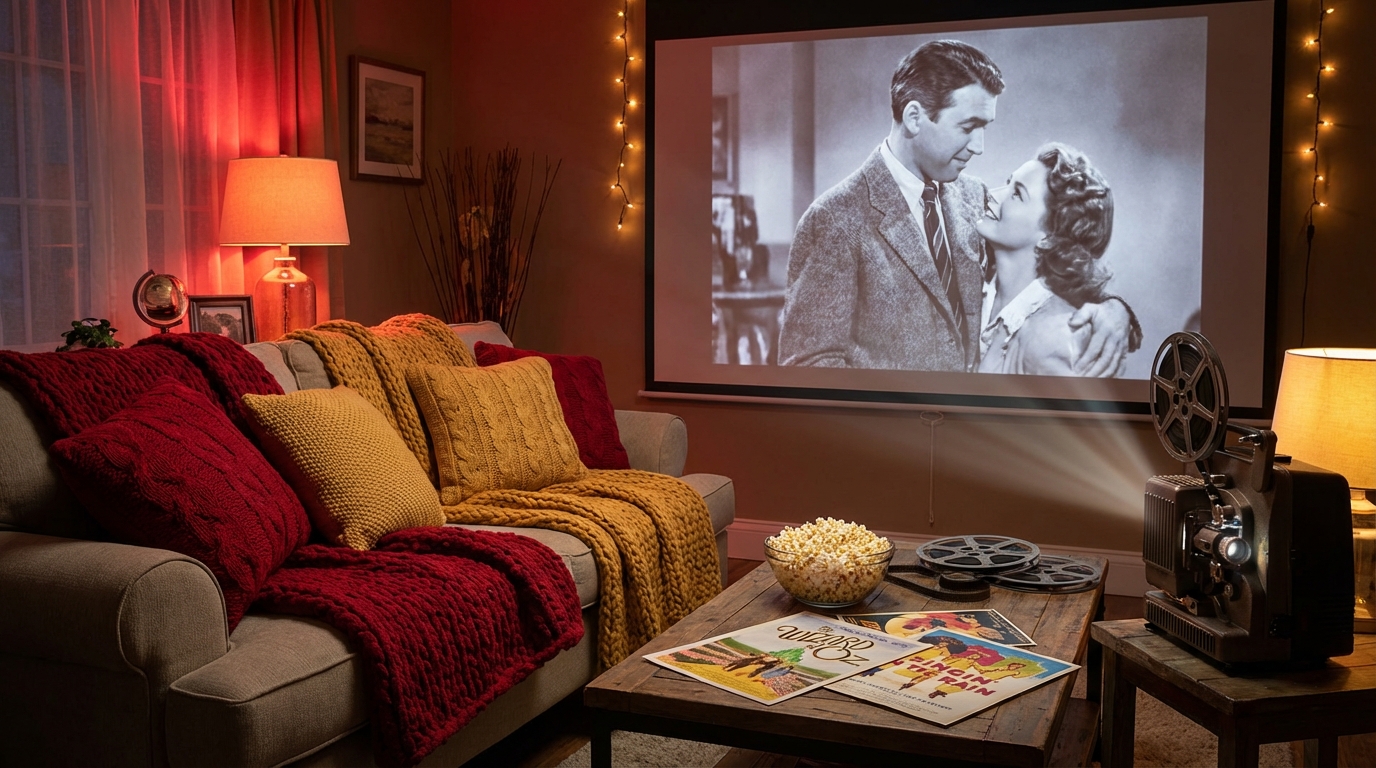
It is not easy to sit down for a movie when your mind is full of worry, your body is tired, and your to‑do list never seems to end. Many caregivers tell me they feel guilty even thinking about watching something “just for fun.” Yet we all have those evenings when we crave a story that holds us gently, helps us breathe, and reminds us we are not alone.
If you are looking for comfort, you might start with films that feel like a warm blanket: gentle pacing, kind characters, small everyday victories, and endings that leave you lighter. If you need inspiration, look for stories of quiet courage, steady love, and people who grow in the middle of hard circumstances. The right movie will not fix what you face, but it can soften the edges of a hard day, give you language for your feelings, and sometimes even help you talk with the person you care for in a deeper way.
Movie night is not selfish. It is one small way we refill our emotional cup so we can keep caring, loving, and showing up.
How Movies Can Comfort Caregivers And Families
Before we look at specific films, it helps to understand why certain stories feel so comforting when we are caregiving, aging, or living with health challenges.
- They slow us down: Gentle stories invite us to breathe more slowly and to let our shoulders drop for a while.
- They give us safe tears: Crying over a scene can release some of the feelings we have been holding inside about our own lives.
- They offer examples of quiet strength: Watching a character handle difficulty with grace or humor can help us see our own strength more clearly.
- They create connection: A shared movie can give caregivers and loved ones something positive to talk about that is not medication or appointments.
- They bring back memories: Classic films often connect us to earlier decades and can wake up memories in older adults.
A well‑chosen film can be a bridge between generations, a gentle companion on a lonely night, or a safe place to rest your mind.
Choosing Comforting Movies For Different Needs
Comfort looks different depending on our situation. Some of us want light stories with very little conflict. Others feel seen when a movie acknowledges illness, grief, or aging with honesty and tenderness.
Here are some gentle guidelines to help you choose.
Think About Energy, Not Just Genre
People often ask for a “good comedy” or a “nice drama,” but what helps most is matching the movie to the energy in the room.
| Current Mood / Energy | Helpful Movie Qualities | What To Be Careful About |
|---|---|---|
| Exhausted or overwhelmed | Shorter films, simple plots, warm humor, soft music | Very loud soundtracks, fast action, long run times |
| Anxious or restless | Predictable stories, familiar classics, gentle visuals | Intense suspense, graphic scenes, heavy arguments |
| Sad or grieving | Stories with hope after loss, strong friendships, quiet resilience | Sudden death scenes, medical emergencies, cruelty |
| Hopeful, looking for motivation | Inspirational biographies, perseverance stories, heartwarming endings | Stories that end in despair, cynicism about people |
Consider Health, Hearing, And Vision
For many of us, movie night is not as simple as pressing play. Hearing aids, visual changes, and cognitive changes can all affect what feels enjoyable.
You might find it helpful to:
- Choose films with clear dialogue, not heavy accents or very fast speech.
- Use subtitles if your loved one is comfortable with them and can see them clearly.
- Pick movies with gentle lighting and avoid flashing scenes if seizures or headaches are a concern.
- Break longer films into two nights if attention or stamina is limited.
The best movie for your home is the one that everyone can follow, hear, and enjoy without feeling pressured to “keep up.”
Gentle, Comforting Classics For Worn‑Out Hearts
These films tend to be softer on the nervous system. Many have humor, music, or familiar settings that feel safe and cozy.
1. “The Sound of Music” (1965)
This musical has comfort built into it. We watch Maria bring music and playfulness into a strict household, and we see the children come alive. The songs are simple and familiar, which makes this film helpful for older adults, including some living with memory loss.
Why it comforts caregivers and families:
- The story shows how one caring person can change the atmosphere of an entire home.
- Singing along can be grounding and bonding, especially across generations.
- The children grow more secure as adults become more emotionally available, which can feel encouraging to caregivers who try every day to bring warmth into the home.
Tips for viewing:
- Consider watching it in two parts if a full musical feels long for your loved one.
- Keep the volume at a gentle level during louder musical numbers if hearing is sensitive.
2. “It’s a Wonderful Life” (1946)
Although this film touches on despair, the heart of the story is about impact and community. George Bailey feels his life has been wasted, only to be shown all the ways his steady kindness has shaped the lives of others.
Why it comforts:
- Caregivers who feel invisible may see their own quiet sacrifices reflected in George.
- The ending reminds us that ordinary kindness is deeply meaningful, even when no one says “thank you.”
- The slower pacing and black‑and‑white visuals can be calming for some viewers.
Gentle warning: There is a section where George considers ending his life. For some families, that might feel too close to home. If so, you might prefer another title from this list.
3. “Anne of Green Gables” (1985 TV film and sequels)
These adaptations of L. M. Montgomerys books follow Anne Shirley, an imaginative orphan who is taken in by an older brother and sister on Prince Edward Island.
Why it comforts:
- The scenery is peaceful, with nature, small town life, and simple daily routines.
- Anne brings laughter and warmth into the lives of older adults who did not expect to become caregivers.
- The series covers many years, which can open conversations about growing up, aging, and long friendships.
This can be lovely for multi‑night viewing, especially for someone who enjoys episodic stories more than a single long film.
4. “The Secret Garden” (1993 or 2020 version)
This story follows Mary, a grieving child sent to live with her distant uncle. She finds a hidden garden and, through caring for it, helps herself and others heal.
Why it comforts:
- There is a gentle message that tending to small things over time can bring life back to tired places.
- Older viewers may connect with the housekeeper, the uncle, or the idea of a garden that has been neglected and then restored.
- The garden scenes can be especially soothing for those who loved gardening in earlier years.
5. “Little Women” (1994 or 2019 version)
Both versions of “Little Women” follow the March sisters as they grow up during the Civil War period. The stories are filled with small domestic scenes, creativity, illness, and sisterly devotion.
Why it comforts caregivers:
- The family rallies around each other when Beth becomes ill, which can feel familiar to anyone who has cared for a loved one.
- The film affirms that nurturing, caregiving, and homemaking are deeply valuable, not lesser work.
- Different generations in the same family often identify with different sisters, which can open warm conversations.
There is loss in the story, so it may feel too raw if you are in very early grief. Many people find that watching it later, when a bit of time has passed, feels healing.
Light Comedies That Bring Gentle Laughter
Laughter can relax the body and clear tension. Still, when we are caregiving, we often need comedies that are kind, not cruel, and that do not rely on embarrassment or harsh language.
6. “Father of the Bride” (1991)
This film follows a loving but anxious father as he prepares for his daughters wedding. The humor comes from everyday misunderstandings and his reluctance to let go.
Why it comforts:
- Parents and grandparents often see their own mixture of pride and worry reflected in the father.
- The home setting and family gatherings feel familiar and safe.
- The story ends in a place of acceptance and gratitude.
If wedding stories are painful for your family, you might choose another light comedy instead.
7. “You’ve Got Mail” (1998)
This romantic comedy centers on two bookstore owners who clash in business but connect anonymously through email. While the technology is dated, the emotional core still resonates.
Why it comforts:
- The city streets, bookshops, and cozy apartments create a comforting backdrop.
- The story shows people softening toward one another and learning to listen.
- The conflict is gentle, with very little that feels harsh or frightening.
This can be a good choice when you want something light that still has heart and character growth.
8. “Calendar Girls” (2003)
Based on a true story, a group of middle‑aged women create an unconventional calendar to raise money after a friends husband dies of cancer.
Why it comforts caregivers:
- The film honors friendship, humor, and courage in midlife and later life.
- It balances the reality of illness and loss with warmth and community support.
- Many caregivers appreciate seeing older women portrayed as strong, vivid, and loving.
Gentle warning: The calendar concept involves tasteful nudity (carefully covered). This may not be comfortable for all families or cultural backgrounds.
9. “Driving Miss Daisy” (1989)
Set over several decades, this story follows the relationship between an aging Jewish woman and her Black driver in the American South.
Why it comforts:
- It shows how caregiving relationships can deepen into genuine friendship.
- The film explores aging, loss of independence, and dignity with care.
- Many caregivers see themselves in the driver, who shows patience and quiet loyalty.
The film also touches on racism and violence through news reports. You might preview it if you are unsure about how this will land in your home.
In gentle comedies, the humor feels kind, not cruel. We come away feeling that people are complicated but worthy of care.
Stories Of Courage, Illness, And Quiet Strength
Some of the most inspiring classics speak directly to illness, disability, or major life changes. These films can feel validating, but they can also stir up strong feelings, so it helps to watch them when you have emotional space.
10. “Terms of Endearment” (1983)
This film follows a mother and daughter over many years, including the daughters battle with cancer. It combines humor and deep emotion.
Why it resonates with caregivers:
- It shows the complicated love between adult children and their parents.
- The way friends and family respond to illness may feel very familiar.
- Humor appears in unexpected places, which many families recognize from their own experience of medical journeys.
This film includes strong language and intense sadness. Some caregivers prefer to watch it privately or later in their grieving process.
11. “Stepmom” (1998)
A mother with terminal cancer navigates her own decline while her ex‑husbands new partner learns how to be part of the childrens lives.
Why it can help:
- It acknowledges the fear of leaving children behind and the courage it takes to prepare them for life without you.
- It shows that “blended” families can grow in love, even through tension.
- The holiday scenes and everyday moments are tender and relatable.
This one can be very emotional for parents of young children or those facing serious diagnoses, so timing matters.
12. “Awakenings” (1990)
Based on the work of neurologist Oliver Sacks, this story follows patients who awaken after decades in a catatonic state, and the doctor who cares about them deeply.
Why caregivers connect with it:
- It portrays medical staff who see patients as full human beings, not just cases.
- Families of people with neurological conditions may feel seen in their long waiting and hoping.
- The film highlights the value of small improvements, not just dramatic cures.
There are clinical scenes, but they are handled with sensitivity. Many professional caregivers find this film affirming.
13. “The Elephant Man” (1980)
This black‑and‑white film tells the true story of Joseph Merrick, a man with severe physical deformities, and the doctor who takes him out of a sideshow and offers him dignity.
Why it inspires:
- It asks us to look beyond appearances and see the human being inside.
- Caregivers see their own wish to protect loved ones from cruelty and humiliation.
- The doctor grows as he learns what true compassion requires.
Parts of the film are painful, especially scenes of public humiliation. For some viewers with trauma around bullying or abuse, this may be too intense.
14. “The Theory of Everything” (2014)
This biographical film follows physicist Stephen Hawking and his first wife, Jane, through his diagnosis with ALS and the impact on their relationship.
Why it speaks to caregivers:
- It makes visible the physical and emotional work that long‑term caregiving involves.
- It honors both Stephen’s achievements and Janes sacrifices.
- It offers a more complex, honest picture of how illness affects a marriage.
For those living with progressive conditions, this film may feel both affirming and raw. Discussing it together afterward can help process any strong reactions.
When we see our own struggles reflected on screen, we may feel less alone, even if the story is hard. The key is choosing these films when we have space to feel and to rest afterward.
Feel‑Good Films About Community, Purpose, And Simple Joy
Sometimes what we need is a reminder that communities can still hold together, that people can still be kind, and that joy can be found in ordinary days.
15. “Biloxi Blues” (1988) and “Mr. Holland’s Opus” (1995)
Here, we will focus on “Mr. Hollands Opus,” which follows a music teacher who spends his life shaping students while thinking he has failed to write the great symphony he dreamed of.
Why it comforts:
- Caregivers often feel their own lives have been “put on hold.” This story honors the quiet legacy of daily care and teaching.
- The final scene, where former students gather, can be deeply moving and affirming.
- The film also includes a loving depiction of parenting a child with hearing loss.
For families with deaf or hard of hearing members, this movie can be a meaningful starting point for conversation.
16. “The Hundred‑Foot Journey” (2014)
An Indian family opens a restaurant across the road from a traditional French restaurant in a small village. Conflict, change, and ultimately friendship follow.
Why it comforts:
- Food, family, and culture are at the heart of the story, which can feel nourishing to watch.
- The older French chef and the Indian father both show strong, caring leadership in very different ways.
- The film suggests that growth does not have to mean leaving our roots behind.
This is a lovely choice for a multigenerational family that enjoys cooking or eating together.
17. “A Man Called Ove” (2015, Swedish) or “A Man Called Otto” (2022)
Both films center on a lonely older man who intends to end his life but is gradually pulled back into community by a lively new neighbor family.
Why it resonates:
- Older adults who feel left behind may see their loneliness recognized.
- The story shows how small acts of kindness can slowly reopen a closed heart.
- Caregivers may find hope in the idea that gruffness or withdrawal can hide deep hurt, not lack of love.
There are repeated scenes related to suicidal planning, though they are treated tenderly and with seriousness. This may be triggering for some, especially those in acute depression.
18. “The Intouchables” (2011, French) or “The Upside” (2017)
These films follow the relationship between a wealthy quadriplegic man and his caregiver from a very different background.
Why caregivers connect:
- The daily realities of personal care are visible, but wrapped in humor and mutual respect.
- The story shows that the person receiving care also has much to give.
- Many caregivers appreciate seeing their role portrayed as skillful, relational work.
There is adult language and some crude jokes. For more sensitive households, you might skip this one.
Movies That Spark Memory And Connection For Older Adults
For those living with dementia or age‑related memory changes, certain films can awaken long‑stored memories or simply bring joy through music and familiar settings.
19. Classic Musicals And Familiar Faces
Older adults often respond well to films from their young adulthood, often ages 15 to 30. Many families find that musicals and comedies from the 1940s to 1960s are especially comforting.
Examples include:
- “Singin in the Rain” (1952)
- “Meet Me in St. Louis” (1944)
- “Seven Brides for Seven Brothers” (1954)
- “Oklahoma!” (1955)
- “Mary Poppins” (1964)
Why these help:
- Song lyrics may be remembered even when other memories are fading.
- Dance and movement scenes can lift mood without needing close attention to plot.
- Familiar actors can prompt stories: “I remember seeing this when I was young.”
20. Nature And Travel Films
Not every comforting movie needs a complex story. Documentaries or scenic films with beautiful landscapes and gentle narration can be soothing, especially for those who tire easily.
Some options:
- Older episodes of “Planet Earth” or similar nature series
- Travelogues focused on gardens, coastlines, or historic towns
- Slow TV style programs like train journeys or barge trips
These can work well when attention span is short or when someone dozes lightly during the film. The goal is pleasant company on the screen, not close tracking of a plot.
For a person living with dementia, the movie does not need to “make sense” from start to finish. What matters is that each moment feels safe, pleasant, and respectful.
Creating A Calming Movie Night At Home
The film you choose matters, but the way you set up the evening can be just as comforting. Think of movie night as a small ritual of care for everyone in the room.
Set The Stage Gently
You might find it helpful to:
- Dim the lights slightly, but keep enough light for safety if anyone needs to get up.
- Offer soft blankets and cushions, paying attention to pressure points or sore joints.
- Keep pathways clear for walkers, wheelchairs, or nighttime bathroom trips.
- Have tissues nearby, without making a big deal out of it.
Noise levels can greatly affect comfort. Turning off unnecessary background sounds (like a second TV, loud fans, or phone notifications) helps people with hearing challenges focus on the movie.
Choose Snacks With Care
Food can make movie night feel special, but health needs still matter. Depending on dietary and swallowing needs, you could offer:
- Soft fruits (like banana slices or canned peaches)
- Yogurt or pudding in small cups
- Lightly salted popcorn for those who can manage it safely
- Herbal tea, warm milk, or decaf drinks in spill‑proof mugs
If there are swallowing difficulties, consult with a speech therapist or follow existing guidance. The goal is comfort, not risk.
Pay Attention To Body Language
Partway through the film, quietly check how everyone is doing. Some signs a movie might be too intense or confusing include:
- Fidgeting, picking at clothing, or restless movements
- Repeated questions like “Who is that?” in a worried tone
- All‑or‑nothing reactions to loud sounds (jumping, covering ears)
- Sighing, looking away, or closing eyes in a tense way
You might gently pause and say something like: “Would you like to keep watching this, or should we switch to something lighter?” Giving the person a choice can reestablish a sense of control.
Starting Meaningful Conversations After The Credits
For many caregivers, the most valuable part of movie night comes after the film, when a story opens a door to conversation that might otherwise feel too direct or painful.
Simple Questions That Invite Sharing
You do not need a formal discussion. A few gentle prompts can be enough:
- “Was there anyone in that movie who reminded you of someone you know?”
- “What part stayed with you the most?”
- “Did that story feel hopeful to you? Why or why not?”
- “Was there anything in that movie that felt a bit like our life right now?”
If your loved one has memory problems, focus on how they feel now rather than testing recall of the plot. For example: “How are you feeling after watching that? Calm, sad, peaceful, something else?”
Using Movies To Talk About Hard Topics
Sometimes a character experiences something similar to what your family is going through: a new diagnosis, a move to a care home, or facing the end of life. A film can give you a shared language to talk about it.
You might say:
- “When [character] moved into that new place, what did you think about that?”
- “If you were in [character]s shoes, what would you hope people would remember?”
- “Was there anything the family in that movie did that you liked or did not like?”
These questions keep the focus on the story, but you may find that feelings about your own situation emerge naturally. If they do, pause the conversation if anyone feels overwhelmed, and return to lighter topics.
A movie cannot solve our hardest questions, but it can give us a gentle starting point to speak them out loud together.
Building A Comfort Movie Library For Your Home
As caregiving continues, it can be helpful to have a small set of “go‑to” films that you and your loved one know and trust.
Creating Your Own Shortlist
You might make a simple chart like this and keep it on the fridge or near the TV:
| Mood / Situation | Our Favorite Movies |
|---|---|
| We are exhausted and want something gentle | “The Sound of Music,” “Anne of Green Gables,” nature documentaries |
| We are okay with a good cry | “Terms of Endearment,” “Stepmom,” “The Theory of Everything” |
| We want light laughter | “Father of the Bride,” “You’ve Got Mail,” “Calendar Girls” |
| We want to feel inspired | “Mr. Hollands Opus,” “Awakenings,” “The Intouchables” |
| We want to wake up memories | “Singin in the Rain,” “Meet Me in St. Louis,” favorite old musicals |
As you watch different films, notice how everyone feels afterward. You can adjust your list over time based on what truly soothes or uplifts your household.
Respecting Different Tastes
In many homes, not everyone wants the same kind of movie. One person might love old musicals, while another prefers quieter dramas. You do not need to force agreement every time.
Possible approaches:
- Take turns choosing the movie on different nights.
- Let one person select the genre and another choose the specific title.
- Have separate “solo movie” times through headphones when tastes really clash.
If the person receiving care cannot easily express a preference, consider what they enjoyed in earlier years. Old photo albums, music collections, or family stories can offer clues.
Movie night works best when it feels like a gift for everyone, not one more chore for the caregiver to manage perfectly.
Giving Yourself Permission To Be Comforted
Many caregivers quietly ask: “Is it wrong for me to watch something comforting when my loved one is suffering?” This is an honest question, and it deserves a clear answer.
No, it is not wrong.
Rest, moments of laughter, and time to feel inspired are not luxuries; they are part of what allows us to keep caring. If all we consume are updates, crises, and hard news, our bodies stay in a state of constant alert. A gentle film can interrupt that pattern for a little while.
You are not “escaping responsibility” when you sit down to watch a movie with your loved one or even on your own. You are tending to your nervous system and your spirit, the same way you would tend to sore muscles or a tired back.
If guilt still whispers, you might remind yourself:
- “I am allowed to rest while still loving my family.”
- “Taking 2 hours to breathe does not erase the care I give the rest of the day.”
- “Being comforted makes me more patient, not less committed.”
Over time, many caregivers find that regular, gentle movie nights become part of their rhythm of survival and connection. Stories help hold what feels too heavy to carry alone. They give us language, offer us company, and remind us that humans have faced hard things before and found ways to love through them.
If you choose even one film from this list and let yourself fully settle into it, that can be a small but meaningful act of kindness toward yourself and those you care for.