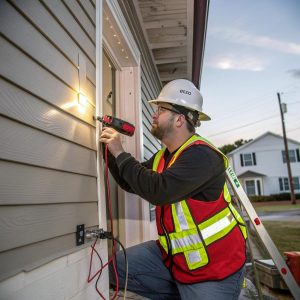
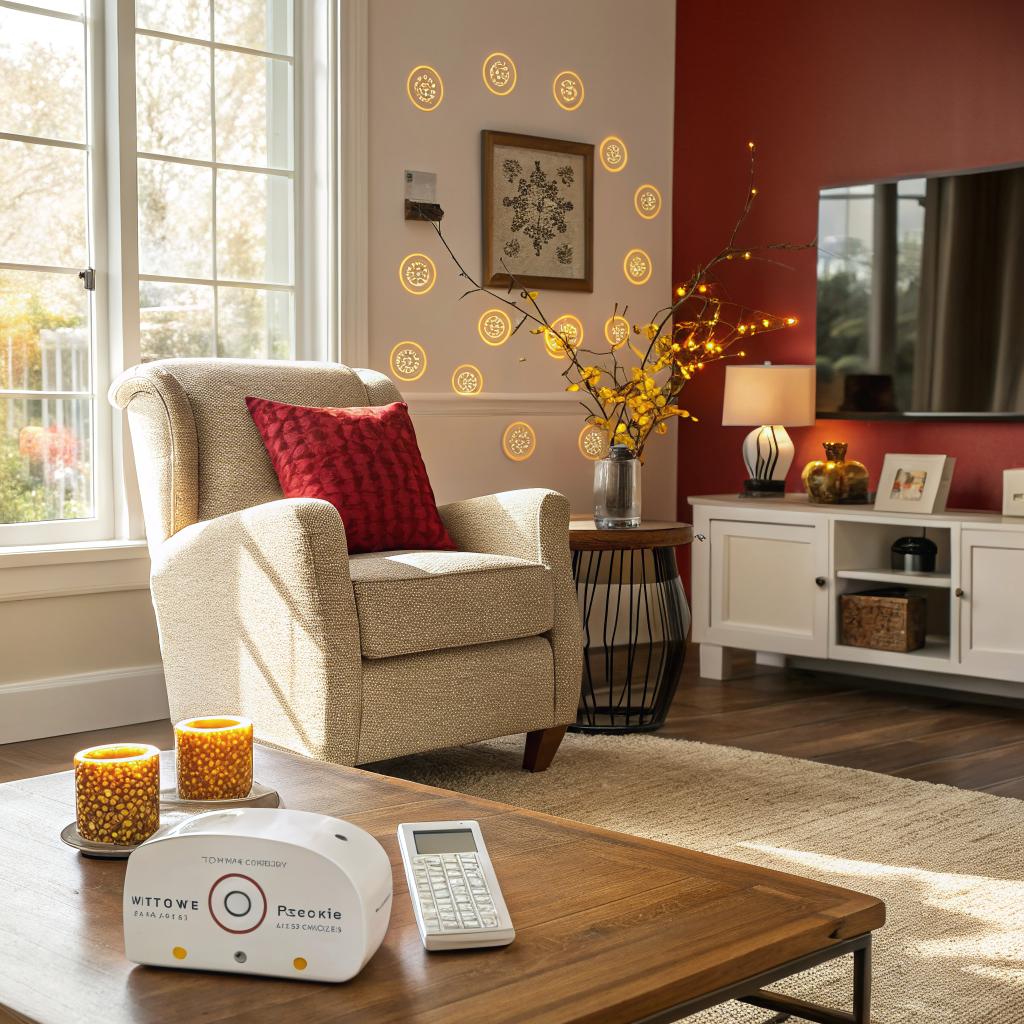
Aging in place becomes safer when the home is wired, lit, and protected in a way that fits an older adult’s changing needs. That is where a company like Rinder Electric comes in, with licensed electricians who focus on practical safety upgrades, reliable repairs, and smart planning for people who want to stay in their homes longer.
That is the short answer.
But if you are caring for a parent, a spouse, or you are planning for your own future, you probably want more than a quick line. You want to know what this actually looks like in a real house, with real risks, real budgets, and real worries that keep you up at night.
So I will walk through how electrical work connects to aging in place. Not in some glossy way, but in a plain and honest way. I will also share a few ideas that I have seen families use, and a few questions you can ask any electrician you work with, not just Rinder Electric.
Why electrical work matters so much for aging in place
When people talk about aging in place, they often focus on grab bars, ramps, and maybe stair lifts. Those are all useful. But the electrical side quietly affects almost everything in the house.
Think about it:
- Can you see well enough at night to avoid a fall on the way to the bathroom?
- Is there enough light over steps, thresholds, and uneven floors?
- Are outlets placed where someone with limited mobility can reach them?
- Does the electrical panel handle new devices like oxygen machines or powered recliners without tripping?
- If a smoke alarm or carbon monoxide alarm goes off, will the person actually hear it?
Good electrical planning does not just keep the lights on. It reduces falls, cuts fire risk, and supports medical and mobility equipment that many older adults rely on.
I think many families underestimate this, partly because wiring is hidden in the walls. You cannot see it aging. You only notice it when something fails or flickers. By then, you are reacting instead of planning.
Common risks older adults face at home
Before talking about what Rinder Electric or any electrician can do, it helps to be clear about the common risks. Not theoretical ones. The ones you actually see in real homes.
1. Poor lighting and trip hazards
Vision changes with age. Even in a healthy person. Glare, slower adjustment to darkness, trouble with depth perception. When the lighting is not right, the risk of a fall goes up fast.
Some typical problems:
- Dim hallways and staircases
- No light at the top or bottom of the stairs
- Dark entryways from the garage or driveway
- Switches in awkward spots, so people walk in the dark to reach them
- No nightlights or low-level lighting near bathrooms and bedrooms
None of this sounds dramatic, but a single misstep can lead to a broken hip. Caregivers know how quickly that can change everything.
2. Outdated wiring and overloaded circuits
Many older homes were not built for modern loads. Over time, people add space heaters, oxygen machines, powered chairs, medical beds, multiple TVs, and more chargers than anyone needs.
Some warning signs:
- Frequently tripping breakers
- Warm or buzzing outlets or switches
- Use of multiple plug strips and extension cords
- Lights that flicker when large appliances start
This is not just an annoyance. It can increase fire risk. It can also disrupt serious medical devices that need consistent power.
3. Hard-to-reach switches and outlets
If someone uses a walker, wheelchair, or has joint pain, outlets and switches placed too low or too high become a daily struggle. People start leaving lamps on all the time or stretching cords across walkways.
Electrical devices that are hard to reach lead to dangerous workarounds such as loose extension cords, overloaded power strips, and lamps that are never turned off.
These workarounds may seem small, but they add up. They increase both fire risk and fall risk.
4. Lack of reliable detection and backup
Older adults are more vulnerable to smoke, carbon monoxide, and heat. Hearing can also decline, so a standard alarm might not be enough.
Questions to ask yourself:
- Are smoke and carbon monoxide alarms current and in the right locations?
- Are alarms interconnected, so if one sounds, they all sound?
- Will the person hear or notice an alarm at night?
- Is there a plan for power outages, especially for elevators, chair lifts, medical gear, or powered beds?
How Rinder Electric approaches aging-in-place upgrades
From what I see, where a company like Rinder Electric adds real value is not just in doing the wiring correctly. A lot of electricians can do that. It is in noticing how an older adult actually moves through the house and then suggesting simple, grounded changes.
Here are some of the main areas that matter for safety.
Better lighting for safer movement
Good lighting is one of the cheapest and most effective safety upgrades. It is also one of the least argued about. Almost everyone agrees that seeing better is a good thing.
Common lighting upgrades include:
- Adding bright, even lighting in hallways and stairs
- Installing lights at every exterior door and step
- Placing motion-activated or occupancy sensor lights in hallways, bathrooms, and closets
- Upgrading old fixtures to LED for clear light and lower energy use
- Adding under-cabinet lights in kitchens for safer food prep
I remember talking to one daughter who said the single best change for her dad was motion-activated lights from the bedroom to the bathroom. He did not have to fumble for a switch at 3 a.m., and she stopped worrying about him falling in the dark. It was not fancy. It just worked.
Motion-activated lighting at night reduces the need to search for light switches, which cuts both fall risk and confusion for someone who may wake up disoriented.
This is where a careful electrician becomes almost like a home safety consultant, walking the usual routes in the house and pointing out dark spots you might not notice anymore.
Safer outlets and switches
Outlets and switches that fit a younger, fully mobile person do not always work for an older adult. With age, bending, reaching, and fine motor skills may all change.
Common improvements:
- Raising or lowering outlets to comfortable heights, especially near beds and favorite chairs
- Adding more outlets so you do not have cords running across the floor
- Replacing old two-prong outlets with grounded three-prong outlets
- Installing rocker-style switches that are easier for arthritic hands
- Adding lighted switches that are easier to find in the dark
These are small things, but they reduce the daily strain of simple tasks. Over time, that matters. It also reduces the chance that someone will do something risky, like pulling a plug by the cord or leaning too far over furniture.
Making bathrooms, kitchens, and laundry areas safer
Bathrooms, kitchens, and laundry rooms mix water and electricity, which is never a good combination. GFCI outlets are part of the answer here. They cut power quickly when they detect a problem, which helps protect from shocks.
For aging in place, an electrician can:
- Install or replace GFCI outlets in bathrooms, kitchens, garages, and outdoors
- Check that these outlets are wired correctly and actually trip when tested
- Move outlets closer to where appliances are used to avoid long cords
- Add switches in logical locations, such as next to shower entrances or near grab bar areas
Some electricians will also coordinate with other contractors. For example, if you add a walk-in shower with a built-in seat, you may want extra lighting or a nearby outlet for a medical device or grooming tools. This kind of coordination sounds simple, but not everyone thinks ahead.
Supporting medical and mobility equipment
Aging in place is much easier now because there are so many devices that help with mobility and health. The tradeoff is that many of them need reliable power.
Common equipment that needs attention
| Equipment | Electrical concerns |
|---|---|
| Powered recliners and lift chairs | Need grounded outlets, avoid extension cords, sometimes need dedicated circuits |
| Oxygen concentrators and CPAP machines | Require stable power, ideally not on heavily loaded circuits |
| Hospital beds and adjustable beds | Need nearby outlets at correct height, safe cord routing |
| Stair lifts or platform lifts | Need professional wiring, protected circuits, sometimes battery backup |
| Medical monitoring devices | Need surge protection and backup power planning |
Rinder Electric, or any similar company that understands aging adults, will look at both the current equipment and what might be coming. They may ask questions like:
- Is anyone using oxygen, now or in the near future?
- Are there plans to add a stair lift or elevator?
- Does the person sleep in a standard bed or a hospital-style bed?
- Are there backup plans if a key device loses power?
I like hearing electricians ask these questions, because it shows they are not just there to run wires and leave. They are thinking one or two steps ahead, which is what caregivers try to do every day.
Reducing fire risk for older adults
Fire safety feels like a sensitive topic. No one wants to imagine a loved one facing that kind of emergency. Still, older adults are at higher risk of both house fires and serious injury from them.
Electrical corrections that matter
Here are some ways electrical work can lower that risk:
- Upgrading old panels and breakers that are no longer safe
- Replacing worn or damaged outlets and switches
- Correcting amateur or DIY wiring done in the past
- Eliminating overloaded circuits that power too many things
- Using AFCI breakers in certain areas to reduce arc fault fire risk
One of the most common and quiet fire risks in an older adult’s home is old or DIY wiring that has slowly degraded over time, often hidden in walls or attics where no one looks.
Families sometimes hesitate to call an electrician, because they are afraid of what it might cost. That is understandable. But ignoring a warm outlet, a buzzing panel, or frequent breaker trips is not really saving money. It is pushing risk into the future.
Smarter alarms and notifications
Smoke alarms and carbon monoxide detectors are often installed when a house is built and then forgotten. For older adults, that is not good enough.
Alarm improvements that support aging in place
An electrician who focuses on safety for seniors may suggest:
- Interconnected alarms so that if one detects smoke, all alarms sound
- Combination smoke and CO detectors in key areas
- Hardwired alarms with battery backup so dead batteries are less likely
- Units with strobe lights or bed shakers for people with hearing loss
Some families also connect alarms to smart home systems. I have mixed feelings on that. It can be helpful if a caregiver wants alerts on a phone, but too much tech can confuse the person living in the home. This is where you have to match the level of technology to the person, not to some trend.
Simple smart home features that actually help
Smart home technology can be both helpful and overwhelming. Not all older adults want to talk to a voice assistant or use a phone app every time they want the lights on.
Still, a few selective features, installed and explained by someone patient, can be very useful:
- Smart switches that can be controlled from a simple remote
- Smart plugs for lamps so caregivers can check if lights are off or on
- Programmable timers for exterior lights and key indoor areas
- Simple doorbell cameras so the person can see who is at the door without rushing
I think the key is restraint here. Not turning the house into a gadget show, but picking one or two tools that fit real needs. An experienced electrician can usually spot which ones make sense and which ones would just add confusion.
Planning ahead: electrical inspections with aging in mind
If you or someone you care for wants to stay in a home for the next 5, 10, or 15 years, it might be time for a more focused electrical inspection.
What an aging-in-place oriented checkup can include
You can ask an electrician to:
- Inspect the electrical panel for capacity, wear, and safety
- Check for outdated wiring types, especially in older homes
- Test GFCI and AFCI protection where required
- Review outlet and switch placement and quantity
- Walk through the home with you to spot dark or risky areas
- Review how medical or mobility equipment is powered
From that, you can decide what to address now and what can wait. You do not have to do everything at once. In fact, trying to do it all in one go might be too stressful and expensive.
A more practical approach is to focus on:
- High-risk issues like unsafe wiring or panels
- Changes that reduce fall risk, such as lighting and outlet adjustments
- Support for any critical medical devices
How caregivers can prepare before calling an electrician
Many caregivers feel rushed. They call an electrician when something breaks, then try to remember every other concern in the 5 minutes before the visit. That rarely covers everything.
Instead, you can prepare a simple checklist. Nothing fancy. Just a page or two of notes.
Questions to write down
- Where has the person nearly fallen or stumbled in the last year?
- Are there areas they avoid because they are too dark or awkward?
- Are there outlets that feel loose, warm, or unreliable?
- Where do they plug in medical equipment, and does it ever trip breakers?
- Do they wake up at night and walk without turning on lights?
- Has the smoke alarm ever been tested? Does the person hear it clearly?
Bring this list to the visit. Ask the electrician to walk those areas with you. A company like Rinder Electric should not be bothered by these questions. If anything, it helps them do a better job.
Costs, priorities, and being realistic
One thing I want to be honest about: not every family can afford every ideal upgrade. And not every older adult wants workers in the house for days, even if the changes would help.
So you sometimes have to prioritize and compromise.
High value upgrades to consider first
- Correcting any unsafe wiring or panels, especially if there are known hazards
- Improving lighting in hallways, stairs, bathrooms, and entrances
- Adding GFCI protection in wet areas like bathrooms and kitchens
- Supporting power for critical medical or mobility devices
- Ensuring smoke and CO alarms are current and effective
More cosmetic or convenience upgrades, such as replacing every switch in the house with a smart version, can often wait. Safety first, comfort second, in most cases.
Working with an electrician who understands caregiving concerns
Not every electrician has experience with aging in place or caregiving. Some will just focus on code and speed. Others take more time to look at how the home is actually used by an older adult and their support network.
You can get a sense of their approach by asking questions like:
- “Have you done work for older adults who are trying to stay in their homes longer?”
- “Can you walk through the main routes in the house with me and point out safety issues?”
- “How would you handle power for devices like oxygen or a stair lift?”
- “Are there small changes you suggest now that could help for the next 5 to 10 years?”
If they seem annoyed by these questions, that is a sign. If they seem engaged and ask their own follow-up questions about daily routines or caregiving help, that is a better sign.
Realistic examples of aging-in-place electrical upgrades
To make this concrete, here are a few short scenarios. These are based on common patterns, not one specific person.
Scenario 1: The night walker
An older adult gets up multiple times at night to use the bathroom. They do not always turn on the light, because it feels harsh and wakes them fully, or they are afraid of “bothering anyone” with the light.
Practical electrical changes:
- Install motion-sensor lights at low level in the hallway and bathroom
- Add a small, shielded night light in the bedroom that does not shine directly into their eyes
- Place light switches in easy reach from the bed
None of this changes the bathroom layout. But it changes the risk level a lot.
Scenario 2: The medical equipment cluster
Someone uses a CPAP, a phone charger, a lamp, and a powered bed near the same outlet. There is a power strip on the floor, half hidden by the bed. Cords cross the small space between the bed and the wall.
Practical electrical changes:
- Add extra outlets on both sides of the bed
- Place outlets at a slightly higher height to keep cords off the floor
- Check that the circuit has enough capacity and does not trip under load
Again, these are simple changes, but they simplify daily life and lower both trip and fire risk.
Scenario 3: The old panel and the space heater
A person living in an older home uses multiple portable heaters in winter. Breakers trip often. Some outlets feel warm. There is no GFCI in the bathroom or kitchen.
Practical electrical changes:
- Inspect and possibly replace or upgrade the main panel
- Add dedicated circuits if needed for major loads
- Install GFCI in required locations
- Advise on safe use of heaters and where they can be plugged in
This is more involved and likely more costly, but it addresses serious risks that could threaten both safety and the ability to stay in the home at all.
What caregivers and older adults usually ask
Q: Is all of this really necessary if nothing has gone wrong yet?
A: That is a fair question. You do not have to fix every single thing a contractor points out. But aging in place means thinking a bit ahead. Electrical issues often stay hidden until they cause a fall, a fire, or a sudden outage for a device that someone depends on. Addressing the highest risks early gives you more control and fewer emergencies.
Q: How do I balance cost with safety?
A: Start with an honest assessment. Ask the electrician to separate “must do” safety repairs from “nice to have” upgrades. Focus first on anything that relates to fire risk, falls, or medical equipment. You can plan the rest over time. If a company cannot explain this priority clearly, that is a problem.
Q: Can older adults handle smart technology, or will it just confuse them?
A: It depends on the person and their comfort with devices, not just their age. Some older adults enjoy using phone apps and voice assistants. Others prefer simple switches and dials. Choose features that match the person’s habits. A motion sensor or a simple wireless remote can be more helpful than a complex app that no one remembers how to use.
Q: What should I ask an electrician before hiring them for aging-in-place work?
A: You can ask about their experience with older adults, how they handle medical equipment power needs, and whether they are willing to walk through the home with you. Ask if they can give you a phased plan, starting with the most urgent safety needs. If their answers feel rushed or vague, keep looking.
Q: If I can only do one thing this year, what should it be?
A: That varies, but many caregivers start with better lighting and updated alarms. Those two changes alone can cut fall risk and improve fire safety. If your home has obvious electrical issues, such as frequent breaker trips or warm outlets, address those first. The right choice is the one that reduces the biggest real-world risk in your particular home.