Aging at home safely usually comes down to a few simple ideas: fewer falls, easier movement, and less daily strain. That is where thoughtful home upgrades, often with help from a local team like G&H Construction, can make a real difference for older adults and for the people who care for them.
If you are a caregiver, or you are planning for your own later years, you probably already know the home plays a huge role in health. One small step that is a little too high. One dim hallway. One slippery shower floor. These are the kinds of things that do not seem like much at 40, but feel completely different at 75 or 85.
I think many families wait too long to look at the house itself. We talk a lot about medications, about exercise, about doctor visits. Those all matter. But the place where someone spends most of their time, their home, sometimes gets ignored until something bad happens.
So, this article is about practical changes. Not extreme renovations for the sake of it, and not shiny features just to impress visitors. Just realistic upgrades that help an older adult stay safer, move more easily, and keep some independence for as long as possible.
Why safer aging at home matters more than people admit
Many older adults say they want to “age in place.” It sounds simple. Stay home, keep your habits, hold on to your routines. But the body changes, and the house does not change with it unless someone plans for that.
Caregivers feel this gap first. You notice the near-falls. You spot the bruises. You watch the slow way your parent steps into the tub and you think, quietly, “This is not safe.” Sometimes you are right to worry. Sometimes you might even be overthinking it. But that feeling usually means something in the environment needs to change.
Safe aging at home is not only about preventing accidents. It is also about reducing daily stress for the older adult and the caregiver.
Stress shows up in small ways:
- A son who cannot relax at work because he keeps thinking about his mothers stairs.
- A spouse who does not sleep well because they listen for their partner walking to the bathroom at night.
- An older adult who avoids drinking enough water because they dread the trip to the toilet.
These are not rare situations. They are common. And they slowly wear everybody down.
Thoughtful home upgrades interrupt that slow drain. They give everyone a bit more breathing space. Not perfect safety, of course. That does not exist. But better odds and fewer close calls.
Room-by-room safety: where to start if you feel overwhelmed
You do not need to renovate the whole house at once. In fact, that is usually a bad idea for an older adult living at home. Noise, dust, and disruption can be hard on someone with memory issues, mobility problems, or low energy.
A more practical approach is to focus on high-risk spots first.
| Area of the home | Common risks for older adults | Typical upgrade ideas |
|---|---|---|
| Bathroom | Slips, falls, difficult transfers, poor lighting | Walk-in shower, grab bars, non-slip flooring, comfort-height toilet |
| Kitchen | Reaching up or bending down, carrying hot items, cluttered counters | Pull-out shelves, better lighting, lower counters, easy-grip hardware |
| Entry & hallways | Tripping on thresholds or rugs, stairs, dark spaces | Ramps, handrails, wider doorways, brighter lights, smoother flooring |
| Bedroom | Falling when getting in or out of bed, poor nighttime visibility | Bed height adjustment, night lighting, clear walking paths, stable furniture |
| Stairs | Missed steps, weakness, poor depth perception | Handrails each side, contrast strips, stairlift, better lighting |
If you are not sure where to begin, ask yourself one question:
Where would a fall or accident do the most harm, based on how this person already moves and lives?
For many people that answer is “the bathroom” or “the stairs.” For someone who loves cooking and spends hours in the kitchen, that might be the first focus instead.
The bathroom: small room, big risks
If there is one room that almost always needs attention for safer aging, it is the bathroom. Hard surfaces, water, tight space, and tasks that demand balance and turning. It is almost like the room is built to test someone’s limits.
Walk-in showers and tub changes
A classic problem is the step over a bathtub wall. It combines three things older bodies often struggle with: lifting the leg high, balancing on the other leg, and twisting a bit to get in. Add slippery floors and soap and you have a recipe for falls.
Replacing a standard tub with a low-threshold walk-in shower is often one of the most helpful changes for aging in place.
That change can include:
- A very shallow step or even a curbless entry so there is almost no barrier.
- A wide opening that fits a walker or transfer bench if needed later.
- A built-in bench or sturdy fold-down seat.
- Handheld shower with simple controls mounted at a reachable height.
Is it a big project? Sometimes, yes. But if you compare it to the cost of a hip fracture, a hospital stay, or a move to an assisted living facility, the math starts to feel different.
Grab bars that people actually use
Many people resist grab bars at first. They say they look “too medical” or “only for old people,” which is a bit ironic in this context. But once they are installed and placed correctly, most families wonder why they waited.
Good locations usually include:
- Next to the toilet for transfers.
- On the long wall of the shower or tub for steady walking.
- Near the shower entrance for stepping in and out.
They do not have to look like something from a hospital. There are solid options that look more like simple rails or even towel bars, although actual towel bars are not strong enough to use as grab bars.
One honest point: if the grab bars are not anchored properly into wall framing, they can fail when someone pulls hard. So this is an area where a skilled installer or contractor matters. It is not just “putting a bar on the wall.” It is planning for the weight and the angle of pull in a real fall situation.
Toilet height and support
Standard toilets are often too low for someone with weak legs, arthritis, or balance issues. Getting up can feel like doing a deep squat every time. That is tiring and a bit risky.
Options include:
- Comfort-height or “chair-height” toilets that sit a bit higher.
- Raised toilet seats that attach over the existing bowl.
- Toilet safety frames or attached arms for extra support when standing up.
This is not a glamorous upgrade. Nobody gets excited about a taller toilet. But it quietly makes daily life easier, several times a day, every day.
Flooring and lighting in the bathroom
Non-slip flooring is one of those features that people barely notice when it is there, but miss badly when it is not. Some tile types, certain vinyl floors, and textured surfaces can provide better grip. Rugs with curled edges or flimsy shower mats are usually a problem, not a solution.
Lighting is another key piece. Older eyes need more light to see clearly, and glare can be a problem. So, even basic changes like brighter bulbs, a second light over the shower, or a nightlight that stays on can lower the risk of falls.
Kitchen changes that protect both safety and independence
The kitchen is where many older adults still want to feel useful. They want to cook, make coffee, prepare small meals. If you remove that, you often remove a piece of their identity. So the goal here is not to push them out of the kitchen. It is to adjust the space so they can keep using it safely.
Storage at reachable heights
One of the most practical steps is to move everyday items into the “comfort zone” of reach. That usually means between mid-thigh and shoulder level. Reaching high or bending to low cabinets is when back strain and falls tend to happen.
Helpful upgrades include:
- Pull-out shelves in lower cabinets so items slide toward the user.
- Drawers that hold pots and pans instead of deep cabinets.
- Wall cabinets with pull-down inserts for better access.
Sometimes a full remodel is not needed. Just rearranging where plates, cups, and common tools live can take some strain off the body. But if you are changing cabinets anyway, planning for aging is smarter than putting everything back the old way.
Safer cooking layout
Think about the path between the stove, the sink, and the fridge. Is it short and simple, or does it involve tight corners and long walks with hot pans or heavy pots?
Changes that can help:
- Creating clear counter space next to the stove so hot pans can land quickly.
- Adding a pull-out work surface at a lower height for someone using a stool or wheelchair.
- Installing an induction cooktop instead of gas or standard electric so the surface itself stays cooler.
A kitchen that supports safer aging often focuses less on fancy finishes and more on simple, comfortable movement.
Caregivers often feel torn here. They might worry about the stove, about fire risk, about leaving things on. That is fair. Some families end up switching to countertop appliances like microwaves and toaster ovens only. That can work, but it can also feel limiting to the older adult. Good kitchen planning tries to balance those concerns, even if the answer is not perfect.
Lighting and contrast in the kitchen
Good lighting in the kitchen matters more with age. Shadows on the counter, for example, can make it hard to see the edge of a knife or the edge of a pot. Under-cabinet lighting is simple, but it helps a lot.
Color contrast can help with depth perception. For example, a counter that contrasts with the floor makes the edge easier to see. Handles that stand out visually from the cabinets are easier for aging eyes to find quickly.
Entrances, hallways, and doorways: getting in and moving around
A home is only as safe as the path into and through it. If every visit to the doctor or every grocery trip involves a stressful struggle at the front steps, that takes a toll on both the older adult and the caregiver.
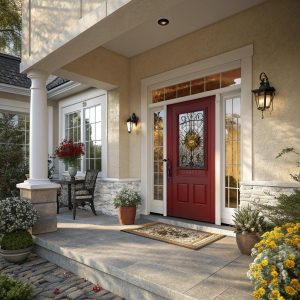
Steps, ramps, and handrails
Stairs at the entrance are a common problem. Sometimes one or two steps feel manageable in the early years of retirement, but become harder over time.
Options include:
- Solid handrails on one or both sides of the steps.
- Ramps with a gentle slope and non-slip surface.
- Widened landings where someone can pause and rest or turn with a walker.
A common mistake is a ramp that is too steep. It might fit the space, but it turns into its own safety issue. This is an area where experienced builders familiar with accessibility standards can guide what is realistic for long-term use.
Thresholds and flooring transitions
Small height changes in flooring can catch feet, canes, and walkers. A metal strip at a doorway that rises just a little can become a trip risk. So part of planning for aging is smoothing those transitions.
That could mean:
- Using low-profile threshold strips.
- Leveling floors when doing larger renovations.
- Removing loose rugs or using secure backing that truly grips.
Flooring itself matters too. Many older adults do better with surfaces that are firm, not thick and soft. Thick plush carpet can catch shuffling feet and walkers. Very hard, glossy tile can be slippery. There is no perfect surface for every person, but the goal is usually stable, low-glare, and not too slick.
Wider doorways and clear pathways
As walkers, wheelchairs, or even just wider gaits enter the picture, narrow doorways become an obstacle. Widening doors can take some work, and it is not always simple in older homes, but it can open up the space to future mobility devices.
Inside the home, clutter and narrow furniture setups can be just as bad as narrow doors. Caregivers sometimes see this first when they try to help a parent move from room to room and feel squeezed or hunched over.
One of the easiest “upgrades” for safer aging is simply creating a straight, clear path from the bedroom to the bathroom and to the kitchen.
That might mean removing a side table, shifting a couch, or moving decorative plants. It is not as fancy as a remodel, but it matters just as much.
Bedroom changes that support rest and night safety
Most falls happen during daily routines, and that includes getting in and out of bed. Night trips to the bathroom add another layer of risk because of low light and drowsiness.
Bed height and stability
The ideal bed height lets someone sit with their feet flat on the floor and their knees at roughly a right angle. Too low, and standing up takes more effort and balance. Too high, and the feet do not land firmly.
Adjustments can include:
- Raising or lowering the bed frame.
- Changing to a different mattress thickness.
- Adding a sturdy bed rail, not just a loose grab device.
The goal is a smooth, controlled move from lying down to sitting to standing. If that sequence looks clumsy or shaky now, it will probably get harder over time.
Night lighting and bathroom access
Even simple lighting changes can reduce fall risk at night. Examples:
- Motion-activated nightlights along the path from bed to bathroom.
- A small light on the bedside table with an easy, large switch.
- Light switches that are reachable without stretching or leaning over.
If the bathroom is far away or involves stairs, some families create a temporary night-time solution, like a commode chair near the bed. It is not ideal for everyone and not everyone feels comfortable with that. But for some it is safer than several trips up and down stairs in the dark.
Stairs, railings, and multi-level homes
Two-story homes can be tricky as aging progresses. Some people manage stairs for many years with no issue. Others find that a change in medications, a mild stroke, or simple muscle loss makes stairs a daily concern.
Better stair safety
Key stair upgrades include:
- Handrails on both sides of the staircase, not just one.
- Good lighting from top to bottom, with switches at both ends.
- Non-slip treads or contrasting strips at the edge of each step.
Visual contrast helps older eyes see where one step ends and the next begins. If the stairs, risers, and walls are all the same color, that depth can be harder to judge.
Considering stairlifts and main-floor living
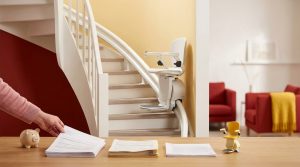
At some point, families face a choice: adapt the stairs with technology, or change how the home is used. Stairlifts can help someone stay in a beloved upstairs bedroom or reach a second-floor bathroom. They can also feel awkward or cramped in narrow stairwells.
Another path is to create a comfortable main-floor living area with bedroom, bathroom, and daily needs all on one level. That can mean turning a dining room into a bedroom, adding a half-bath, or remodeling an existing space into a full bathroom with a walk-in shower.
No option is perfect. Some older adults dislike the idea of “giving up” the second floor. Others feel relieved when stairs are no longer part of their daily life. It often comes down to what matters more to that specific person: certain rooms, certain views, or certain routines.
Lighting, switches, and small electrical changes
Good lighting is almost like another form of mobility support. It helps the brain and eyes read the environment quickly, which lowers the chance of tripping or misjudging distances.
General lighting tips
- Use bright, even light in halls, stairs, and entrances.
- Add more light where detailed tasks happen like kitchen counters or reading chairs.
- Avoid harsh glare from bare bulbs or very shiny floors.
Switch location matters too. If someone has to cross a dark room to find a switch, that is a problem. Some families add extra switches near room entrances or use larger, rocker-style switches that are easier for stiff fingers to press.
Outlets and cords
Tripping on cords is common. That might mean moving outlets higher up, closer to where lamps or medical equipment sit, or using cord channels that run safely along walls.
For caregivers, it can also help to have more outlets near beds and favorite chairs. That supports things like home oxygen, phone chargers, and monitoring devices without a tangle of extension cords.
Balancing safety with dignity and comfort
There is a tension here that you probably already feel. Make the house too “medical” and it starts to feel like a facility. Do too little and you keep worrying about safety. It is not easy to get that balance right.
Some older adults push back strongly against changes. They might say things like, “I am not that old” or “I do not want my home to look like a hospital.” You might even agree with them on some level, even as you worry about their safety.
A more gentle way to frame upgrades is to talk about comfort and future-proofing, not only about age or weakness. For example:
- “This grab bar will help you if your knee hurts on a bad day.”
- “The walk-in shower will be easier for both of us when I help you, and it might help your back too.”
- “Better lighting will make it easier to see when you read or cook, not just for walking.”
Sometimes it helps to start with changes that feel less medical. Better lighting, nicer flooring that is also non-slip, more comfortable handles on doors and cabinets. Once those are in place and the person sees the benefit, it may be easier to discuss more direct safety features like grab bars or ramps.
How caregivers can plan upgrades without losing their own energy
If you are caring for someone, your time and patience are not endless. Large renovation projects can feel like just one more burden, especially if you are already juggling work, kids, and health issues of your own.
Start with an honest walk-through
Before calling anyone, walk through the home with fresh eyes. It might help to do this at the time of day when problems usually happen, such as early morning or late at night.
Ask simple questions:
- Where have falls or near-falls happened before?
- Which tasks cause pain, strain, or fear for the older adult?
- What would make your own caregiving tasks less physically hard?
Write these things down. That list becomes a guide when talking with family members or contractors later so the upgrades stay focused on real daily problems, not only on what looks nice in photos.
Prioritize changes, do not chase perfection
Very few homes can be made perfectly safe for every situation. That is not realistic. Instead, focus on the areas that offer the biggest safety gain for the least disruption.
For many families, that first set of priorities includes:
- Bathroom safety (shower, toilet, flooring).
- Entry and exit safety (steps, ramps, lighting).
- Clear pathways and lighting between bedroom, bathroom, and kitchen.
After those are handled, you can think about secondary upgrades like full kitchen changes, stairs, or major layout shifts.
Working with builders who understand aging and caregiving
Not every contractor has experience with aging-in-place projects. Some focus mostly on style and finishes, which can be nice, but might miss small details that matter a lot to someone using a walker or managing low vision.
When talking with a builder or remodeler, it can help to ask clear questions such as:
- “Have you worked on homes for clients with mobility or balance issues?”
- “How do you install grab bars so they are strong enough for a full body weight pull?”
- “Can we plan this shower, kitchen, or hallway to fit a walker or wheelchair if needed later?”
A contractor who listens carefully and asks follow-up questions about the older adult’s daily routine is usually a better fit than one who focuses only on finishes and colors. Style matters, of course. Nobody wants an ugly home. But for safer aging, function and safety must be part of every decision.
How much should you change now vs later?
Families often struggle with timing. Change too much too early, and it may feel like overreacting. Wait too long, and you are scrambling after a fall or health crisis.
There is no single right answer, but a few guidelines can help:
- If someone already uses a cane, walker, or has a history of falls, bathroom and entry upgrades are usually urgent, not optional.
- If someone is healthy but aging, light changes like better lighting, non-slip flooring, and small layout shifts can be done now, with larger changes planned over time.
- If a serious diagnosis is present (Parkinson’s, moderate dementia, advanced arthritis), planning for future needs like wheelchair access and main-floor living makes more sense earlier.
Sometimes the best approach is to combine needed repairs with safety upgrades. For example, if a bathroom is already old and leaking, or if flooring is already worn, that is a natural moment to incorporate accessibility and safety features. It avoids doing the work twice.
Common worries and honest answers
Question: “Will all these changes make my parent feel disabled or old?”
Short answer: possibly at first, yes. Many people react emotionally when grab bars or ramps appear. It is a reminder that their body is changing. Some feel angry, some feel sad.
Over time, though, many older adults shift how they see these upgrades. Instead of viewing them as symbols of decline, they start to see them as tools that let them stay at home. They notice the comfort of a safer shower, the ease of a sturdy rail, the relief of fewer close calls.
As a caregiver, you cannot fully remove that emotional sting, but you can frame the changes as respect for their independence, not as a label of weakness.
Question: “Is it really worth the money to remodel for safety?”
This is a fair question. Remodeling costs can be high, and not every family has extra funds lying around. But compare the cost of a well-planned bathroom or entry upgrade with:
- A single hospital stay after a serious fall.
- Emergency rehab or short-term care facility costs.
- Early moves to assisted living because the home is no longer manageable.
Money is not the only factor, of course. Stress, lost work time, caregiver burnout, and the older adult’s sense of control also matter. Still, when families look at total long-term costs, thoughtful home upgrades often make more sense than they seemed at first.
Question: “What if we do all this work and the person still needs to move later?”
This is possible. Bodies change, diseases progress, and some homes have limits that no upgrade can fully overcome. A two-story home on a steep hill, for example, might work for a while but not forever, no matter what you add.
So was the work a waste? Usually not.
For the time the person lived there, they likely had fewer falls, less strain, and more dignity. Caregivers may have avoided injuries of their own from awkward lifting or transfers. And many accessibility improvements can still benefit future owners, renters, or family members, even if they have different needs.
It is reasonable to feel uncertain here. But waiting for perfect clarity often leads to doing nothing until after a crisis, which is usually the hardest time to make clear decisions. Home upgrades for safer aging are rarely perfect, but they can still be worthwhile steps in the right direction.