
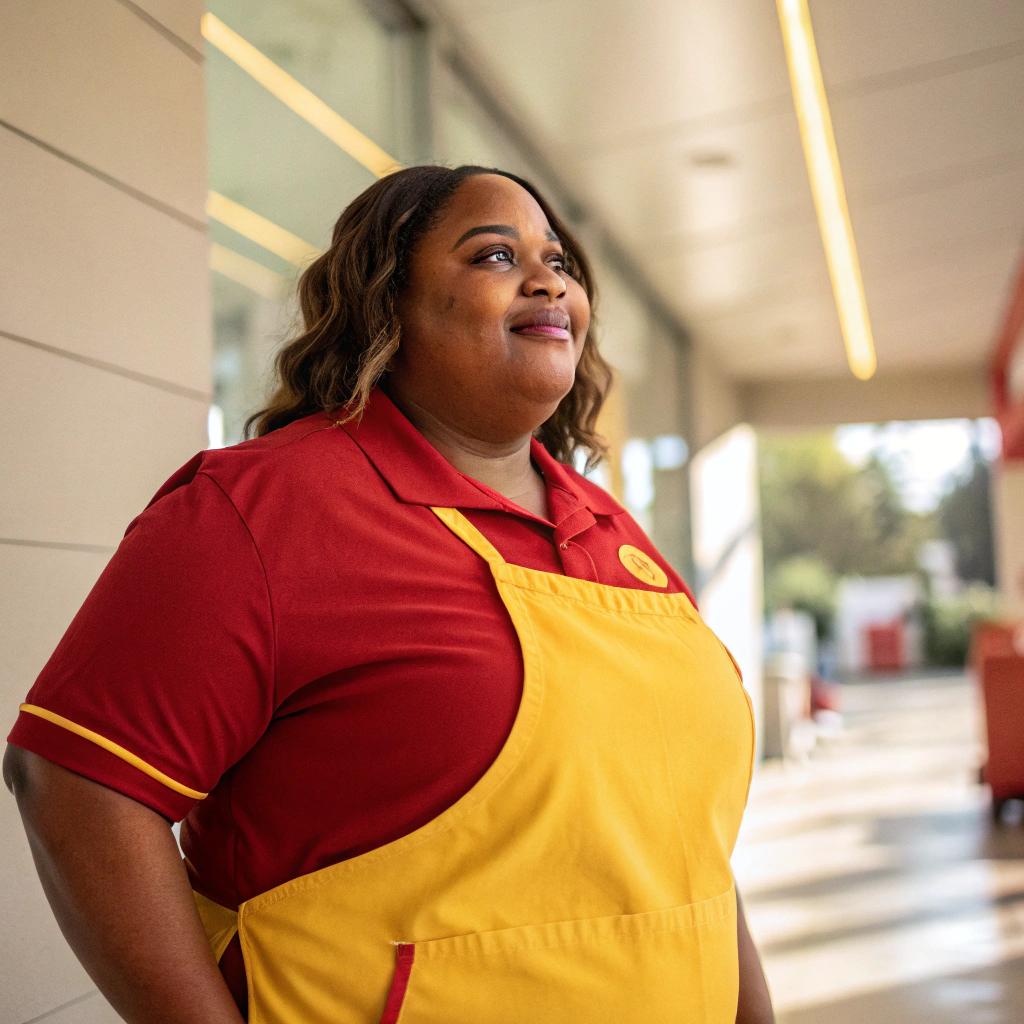
Comfortable clothing absolutely matters for caregivers, and yes, Black owned plus size brands can make that comfort more thoughtful, more body-aware, and more affirming. If you are looking for pieces that fit a fuller body, respect your culture, and still let you bend, lift, and support someone safely, then exploring black owned plus size clothing is a very practical place to start.
I want to talk through why that matters, what to look for, and how this connects with caregiving, home accessibility, and your own health. Not in a glossy way, but in a real, everyday way. The way clothes feel at 5 a.m. when you are changing sheets or at 9 p.m. when you are helping with a shower and your back is already tired.
Why clothing comfort matters more for caregivers
If someone is not caregiving, they might think clothing is about style first. For caregivers, it rarely is. Clothing becomes part of your basic care equipment, just like grab bars, non-slip mats, or a shower chair.
Comfortable, well fitting clothes are a safety tool for caregivers, not just a fashion choice.
You are moving, turning, and sometimes catching someone who is losing balance. Tight or stiff clothes can limit how far you can reach. Loose, slippery fabrics can make it easier for someone to slide out of your arms.
A few things happen when your clothes do not work with you:
- Your shoulders and back work harder because you cannot move freely.
- You sweat more, which makes you feel drained and sometimes embarrassed.
- You get distracted by pinching, pulling, or rolling fabric when you need to focus on safety.
For plus size caregivers, all of that can be worse if items are cut too small, too short, or built around the idea that your body should be hidden instead of supported.
Why look to Black owned plus size brands in particular
Someone might ask: why not just buy any comfortable scrubs or leggings from a big store? That is a fair question. Many people do that and it can work. But there are a few reasons Black owned plus size brands often feel different, especially for caregivers.
Designs shaped by lived experience
Many Black owned brands are started by people who have watched aunties, grandmothers, or parents take care of family, sometimes while working multiple jobs. They have seen people caregive in real life, in small apartments, in multi-generational homes, in tight spaces. So the clothes often reflect that reality.
For example, you might see:
- Waistbands that do not roll down when you squat to help someone with shoes.
- Tops that are longer, so your back is covered when you reach up to a high shelf.
- Materials that handle sweat and frequent washing without giving up softness.
Is every Black owned brand like that? No. Some are more fashion focused. Some are more lounge focused. But many do build from real body and family experience, not just a runway mood board.
Inclusive sizing that feels less like an afterthought
In many large brands, plus size is tacked on at the end. Two or three sizes, limited colors, and often not the same cuts as the straight sizes.
Plus size caregivers should not have to settle for the “one or two” safe options while everyone else gets pockets, stretch, and style.
Black owned plus size brands often start with curves in mind. That can mean:
- Hip room that does not squeeze when you take wide steps with a walker beside you.
- Bust darts or shaping that keeps a top from riding up when you help with transfers.
- Armholes that let you lift your arms comfortably without cutting off circulation.
If you are moving between bed, bathroom, kitchen, and maybe car, this makes a real difference in how your body feels at the end of the day.
Cultural comfort and emotional comfort
This part is harder to measure, but I think it matters. Clothing can feel like home. For Black caregivers especially, pieces that reflect Black culture, patterns, language, or simply come from a Black designer can feel grounding on difficult days.
That might be something as small as a pattern that reminds you of family gatherings. Or a T-shirt with a message about caregiving, motherhood, or resilience that you wear on your “tough appointment” days.
If you are caring for an elder who is also Black, they might light up when they see you in clothing that reflects shared culture. That can sound small on paper, but those moments help connection, and connection helps care.
What caregivers really need from plus size clothing
Let us get more concrete. Caregiving is not one activity. You might be:
- Lifting or guiding someone during transfers.
- Helping with bathing, dressing, or toileting.
- Running errands, waiting in medical offices, or driving.
- Doing housework, laundry, and meal prep.
Comfort means something slightly different in each of these settings, but there are patterns.
Key features that support comfort and safety
| Feature | Why it matters for caregivers | Helpful for plus size bodies |
|---|---|---|
| Stretch fabric with good recovery | Lets you bend, lift, and twist without restriction | Reduces digging at the waist, thighs, and arms |
| Breathable fibers | Helps manage sweat during physical tasks | Prevents chafing under bust, thighs, and underarms |
| Secure waistbands | Stays put when you squat or lean forward | Less rolling, less adjusting mid-task |
| Longer tops or tunics | Keeps you covered while reaching | Improves confidence when moving in tight spaces |
| Functional pockets | Allows you to carry phone, keys, or small supplies | Helps avoid bags that can get in the way of transfers |
| Flat seams or tagless design | Less skin irritation during long wear | Gentler on rolls, folds, and sensitive areas |
| Non slip footwear | Reduces risk of falls when floors are wet | More stable when carrying weight or guiding gait |
I know this reads like a checklist, but if you pause and think about your last full caregiving day, you can probably remember moments when one of these details would have helped.
Pants and leggings that work with your body, not against it
If you are plus size, pants can be the hardest part. Many caregivers end up living in leggings or joggers, and there is nothing wrong with that. The question is whether the pair you own actually supports your work.
Good caregiver friendly plus size bottoms usually have:
- High but comfortable waist that stays over the belly when you bend.
- Plenty of stretch without becoming see-through.
- Room in the thighs and seat for squatting beside a bed or wheelchair.
- Fabric that does not hold onto pet hair or dust if you are cleaning often.
Some Black owned plus size brands design leggings and joggers with thicker waistbands and fabrics with more recovery. That means they snap back instead of sagging by midday. For a caregiver, fewer wardrobe malfunctions means fewer distractions.
Tops that respect both modesty and mobility
Caregivers work in very personal spaces. Bedrooms, bathrooms, hospital rooms. You might be bending over someone in a way that makes you feel exposed if your top is too short or the neckline is too loose.
You should not have to fight your clothes while you are trying to preserve someone else’s dignity.
Look for tops that:
- Cover your lower back and possibly upper thighs.
- Have necklines that stay in place when you lean forward.
- Offer sleeve length that feels right for you, from short to three quarter to long.
- Use fabrics that wash well, because body fluids and spills are a real part of the job.
Some people like scrub style tops. Others prefer soft tunics or T shirts with stretch and a bit more style. You can mix both, depending on whether you are at home or in a more clinical or public setting.
Connecting clothing with home accessibility and health
At first, clothing can feel separate from home accessibility topics like ramps and grab bars. But they are connected by one big idea: reducing risk and strain for both you and the person you care for.
Clothing and fall prevention
Falls do not just happen to the person receiving care. Caregivers fall too, often when they are rushing or when something grabs their foot or shifts under them.
Some simple clothing choices help reduce this risk:
- Pants that do not drag on the floor or bunch around the ankles.
- Non slip socks or supportive shoes instead of loose slippers.
- Fabrics that do not create static or cling too tightly in awkward spots.
If you are helping someone stand from a low couch or toilet, you need your own feet solid on the ground. One unexpected slip can send both of you down. Good clothing will not fix every risk in the home, but it can remove avoidable ones.
Skin health, chafing, and temperature control
Caregiving often means long hours in one outfit. Maybe you fall asleep on the couch in the same clothes you wore all day, just in case you are needed in the night.
For plus size bodies, constant friction at the inner thighs, under the bust, or under the arms can lead to chafing, rashes, or even infections. If the home is warm for the comfort of the person you care for, you may be sweating more than usual.
Pieces made with breathable, moisture aware fabrics can help keep your skin healthier. Some Black owned plus size brands focus on soft knits and materials that feel gentle on sensitive skin, because many of their customers juggle work, caregiving, and health issues of their own.
Mental health and feeling like yourself
This part is easy to overlook when you are tired. When you are in caregiver mode, it can feel selfish to think about what you wear.
But clothing touches how you see yourself. If you spend months in stretched out, stained items that do not fit well, it is hard to avoid the quiet thought that you do not matter as much anymore.
I remember a friend who cared for her mother during chemo. She told me the first thing that made her feel like a person again was buying two outfits from a plus size Black owned boutique. They were not fancy at all. Soft joggers and a wrap top. But they fit her body. The colors made her feel visible again. She wore one of those outfits each time she had to handle a hard hospital visit. She said it felt like putting on small armor.
That might sound dramatic. Still, mental health in caregiving is fragile. If clothing from a Black owned brand helps you feel more at home in your body, that is not shallow. That is one of the tiny supports that keep you going.
Balancing practicality, budget, and values
I want to be honest about something: supporting Black owned brands while caregiving is not always easy financially. Medical costs, time off work, extra household bills, it all adds up. Saying “just buy from small brands” can sound disconnected from reality.
So it can help to think in layers instead of all or nothing.
Layer 1: Core comfort pieces
Pick one or two items that you wear a lot and make those the ones you try to source from a Black owned plus size brand. For many caregivers, that is:
- Leggings or joggers.
- A go to top or tunic.
- A soft cardigan or zip up that works in slightly cooler rooms.
These become your “reliable uniform” on heavy caregiving days. You can still mix in cheaper basics from big stores for backup, but your body at least has some trusted options.
Layer 2: Occasional uplift pieces
Maybe once in a while, you add a piece that is less about pure function and more about emotional lift. A graphic tee with affirming text. A dress that you wear when you bring your loved one to an appointment where you know photos might happen. Or something bright you pull out on holidays.
This might feel small, but these items can act as reminders that you still have an identity outside of caregiving. That matters for long term mental health and burnout prevention.
Layer 3: Mixing new items with what you already own
You do not need a full wardrobe reset. Most people cannot do that, especially caregivers. You can build small bridges instead.
For example:
- Pair a new supportive pair of plus size joggers from a Black owned brand with existing T shirts.
- Use a long, soft cardigan over older tanks that might be a bit short.
- Add a single good quality lounge dress that you can wear both at home and on quick errands.
Is it perfect? No. But perfection is not the goal. More comfort, more support, small steps toward feeling better in your body while you care for someone else, that is more realistic.
How to judge if a plus size item is caregiver friendly
When you are shopping online, it can be hard to picture how an item will act in real life caregiving situations. Sometimes product photos show someone standing still, smiling, in a staged room that looks nothing like your living room.
So it helps to run a simple mental test while you browse.
The 5 caregiving movement test
Ask yourself how this item might feel when you:
- Reach both arms straight up to get something from a high shelf.
- Bend at the hips to tuck sheets under a mattress.
- Kneel beside a bathtub or shower chair.
- Turn quickly toward a voice calling from another room.
- Sit in a waiting room chair for an hour.
If at any step you picture fabric riding up, digging in, pulling at your shoulders, or feeling see-through, that is a sign it might not be your best caregiving piece, no matter how nice it looks in a still photo.
Key questions to ask before you buy
- Does the size chart include honest hip, waist, and bust measurements for plus size ranges?
- Does the brand show the item on actual plus size models, not just “one size up” models?
- Do reviews mention comfort for long wear, not only looks?
- Is the fabric described clearly, not just “soft” or “stretchy” without detail?
- Will this piece work with the shoes you wear around the house or at the clinic?
These questions are not perfect, but they reduce the chance of buying something that looks great once and then never leaves your closet again.
Caring for your clothes when you are already stretched thin
One reason caregivers sometimes avoid nicer clothing is fear of ruining it. When life feels chaotic, you might think, “I cannot handle special wash instructions on top of everything else.”
That is not wrong. Delicate items that need hand washing or air drying in perfect shape are not practical for heavy caregiving days.
If a piece cannot survive hot water, stains, and fast washes, it probably should not be your main caregiving uniform.
When you look at Black owned plus size pieces for caregiving, try to favor:
- Machine washable fabrics.
- Colors that hide small stains or wear.
- Items that look fine slightly wrinkled.
You can save extra delicate items for the rare days off or for events, but your core caregiving clothes should fit into the same laundry cycle you already use for bedding and towels.
Bringing the person you care for into the clothing conversation
This part might feel optional, but for some families it can be connecting. If the person you care for is able to share opinions, you might ask them what colors or styles they like seeing on you.
That could sound like:
- “Do you like me better in darker colors or lighter ones? It helps me pick what to keep buying.”
- “I am thinking of getting some new comfy clothes for days we have appointments. Do you like this color?”
This can give them a bit of control in a world where they may feel like they are always the one being dressed, not the one choosing anything. It can also remind both of you that you are still people with tastes, not just roles of “caregiver” and “patient.”
Small signs your clothes are actually supporting your caregiving
It can be hard to notice progress when caregiving life is busy. But you might catch hints that your clothing choices are working better for you when:
- You realize you adjusted your waistband fewer times that day.
- Your back feels slightly less sore after changing bedding.
- You feel less self conscious when a nurse, therapist, or visitor is in the home.
- You are able to step out for fresh air without changing your whole outfit.
These are not dramatic changes, but they add up. And they are easier to reach when the people designing your clothes actually thought about bodies like yours.
Frequently asked questions about Black owned plus size clothing for caregivers
Is it really worth spending more on caregiver clothing?
Sometimes yes, sometimes no. If you are caregiving full time or most days of the week, a few better fitting, longer lasting pieces can protect your body, which then protects your loved one. Your back, knees, and shoulders are already under pressure. Clothing that lets you move more freely can reduce strain and small injuries.
If money is very tight, you might start with just one item that you wear on your heaviest days. That is more realistic than trying to replace your whole wardrobe at once.
What if I do not identify as Black? Does it still make sense to buy from Black owned brands?
Yes, if you want to. Clothing is not limited by race in that way. Many people who are not Black support Black owned brands because they appreciate the designs, fit, or values. If you find plus size pieces that support your caregiving work and you like them, it is fine to wear them. You do not have to be Black to care about where your money goes.
Can I wear lounge style clothes to medical appointments with the person I care for?
Often yes, as long as the clothes are clean, intact, and cover you fully. Many clinics and hospitals are used to caregivers arriving in leggings, joggers, or casual wear, because caregiving is physical and often messy.
If you feel unsure, you can pick pieces that are casual but neat, like matching jogger sets, soft knit dresses with leggings, or long tunics with structured leggings. Many Black owned plus size brands offer sets that look pulled together while still feeling like loungewear.
How many caregiving “uniform” outfits do I really need?
There is no perfect number, but a simple approach is:
- Two or three full outfits you feel good in and can reach for quickly.
- One backup for emergency messes.
That means if one set is in the wash and one gets soiled, you still have another option. If you can afford more, great. If not, even two strong outfits can be a big step up from a random mix of uncomfortable pieces.
What if my body size is changing because of stress, medication, or pregnancy?
This happens to many caregivers, and it can be frustrating. You might feel stuck between buying clothes that fit now and worrying they will not fit later.
In that case, pieces with more stretch, wrap designs, or adjustable waistbands can help bridge the gap. Some Black owned plus size designers build with that kind of fluctuation in mind, because many of their customers navigate hormonal changes, health shifts, or postpartum periods.
You do not need to wait for your “goal size” to become comfortable. Your current body is doing hard work and deserves support right now.
How do I know if a brand truly values plus size caregivers and is not just using inclusive language as marketing?
Look at their actions more than their slogans:
- Do they show plus size bodies in motion, or just standing still?
- Do they offer the same styles across size ranges, or cut off options beyond a certain size?
- Do customer reviews mention comfort, not just appearance?
- Does the sizing go beyond a token couple of larger sizes?
If a brand passes most of those checks, it is more likely that they actually care about how their clothes feel on you while you live your real life, caregiving included.
Is there anything you think caregivers often get wrong about clothing?
Honestly, yes. Many caregivers, especially plus size caregivers, treat their own comfort as the last item on a long list. They put off buying new pants even when seams are thinning. They keep wearing tops that ride up because “it still technically fits.”
This is not a moral failing. It is what happens when time and money are limited. But it does not mean it is the only way things can be.
Your clothing will not fix the medical system, or fix burnout, or fix every ache. Still, a soft waistband that does not dig into your middle during a long night, or a top that lets you raise your arms without worry, those small comforts matter more than they might seem on paper.
So maybe the real question is not “Do I deserve better clothes while I care for someone else?” It is “What might change in my day if I decided I do?”