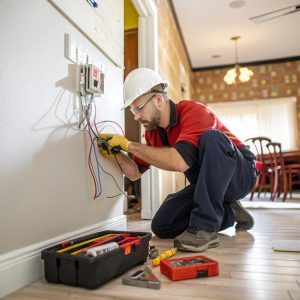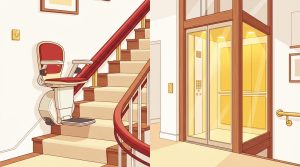
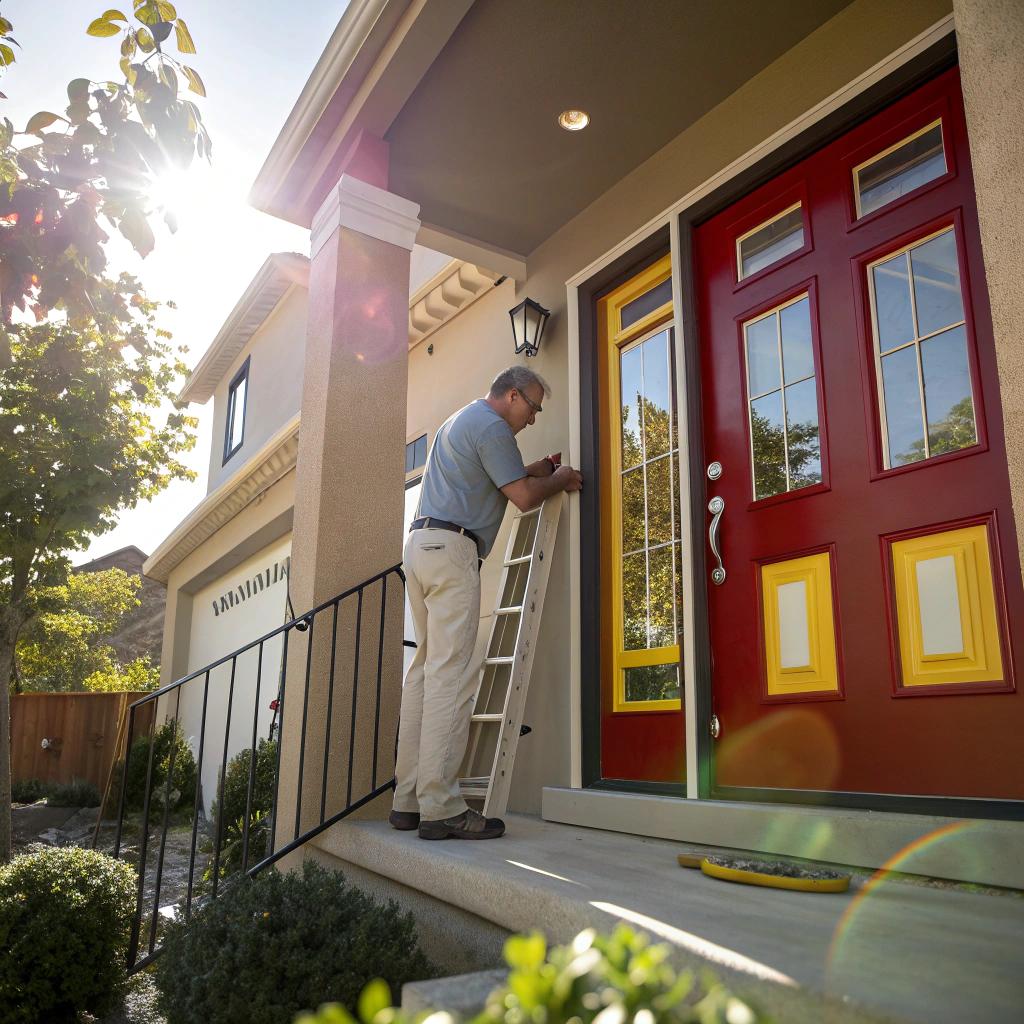
Handyman construction improves safe aging in place by fixing small hazards before they turn into big problems, adapting the home with practical changes like grab bars and better lighting, and keeping the house in good working order so an older adult can move around with less risk. When you have a steady, reliable person or team who understands both home repair and safety, like a trusted handyman construction service, you are not just getting repairs. You are building a safer daily life for the person who wants to stay at home.
That is the short answer. The longer answer is a bit messier, because real homes and real people are not perfect. Caregivers are busy. Older adults do not always want change. Money is limited. And still, most people say the same thing when you ask them where they want to be in 5, 10, or 15 years: “I want to stay in my home.”
If that is the goal, then handyman construction is part of the plan, even if it does not sound very medical or very high-tech. It is more quiet than that. It looks like tightening a loose rail, or building a small ramp, or replacing a dark hallway light. Those small tasks add up.
Why “small” home jobs matter so much for aging in place
Falls, fire, and problems with heating or cooling are some of the main risks for older adults living at home. Most of these risks start with small things:
- A wobbly step at the front door
- A bathroom floor that is always a little wet
- A light bulb that burned out months ago on the stairs
- A smoke detector that chirps, so someone just pulled the battery
None of those look huge on their own. You might even feel tempted to ignore them for a while. People do. Then someone loses balance, or cannot see clearly, or misses a step. That moment changes everything.
Handyman construction turns “I will get to it later” hazards into finished tasks that quietly protect the person you care about.
For caregivers, those quiet repairs mean less daily worry. You still have plenty to think about. But you remove some of the most common triggers for accidents at home. It is not dramatic. It is just steady maintenance and smart upgrades.
Handyman construction vs major remodeling
Some people hear “home safety” and picture tearing half the house apart. New bathroom, new kitchen, new everything. Sometimes that type of project is needed, yes. Many times it is not.
What handyman construction typically covers
A handyman or small construction team usually focuses on tasks like:
- Repairs and minor carpentry
- Small accessibility upgrades
- Fixture changes and hardware installs
- Routine safety checks and fixes
These are the kinds of jobs that are too big for a quick DIY fix, but too small to call a full general contractor. For aging in place, that middle space is where much of the safety work actually happens.
Sometimes you only need to swap a tub faucet, seal a threshold, or adjust a door that sticks. Other times you need new grab bars, stronger railings, and better flooring. A good handyman service can handle many of those without turning the home into a construction site for weeks.
You do not always need a massive remodel to age safely at home. You often need a long list of “small” things done correctly and done soon.
When you might be focusing on the wrong projects
People often want to start with the pretty projects: new paint, new cabinets, nicer flooring. There is nothing wrong with wanting a nice home, but safety work should come first, even if it is a bit boring.
If you are planning updates, ask yourself:
- Will this change make daily tasks easier or safer?
- Does this project fix something that could cause a fall?
- Does it help with vision, hearing, or mobility challenges?
If the answer is no, you might be putting comfort and style ahead of safety. That is not always wrong, but it might not support aging in place as much as you think.
Key areas of the home where handyman work boosts safety
Instead of thinking about the whole house at once, it helps to walk through main zones where accidents tend to happen. You can almost picture it like a normal day, from the moment someone gets out of bed.
1. Entryways and exits
Many older adults fall at the front step, on the porch, or just inside the door. The reasons are simple: uneven surfaces, poor lighting, and no good place to hold on.
Common handyman tasks at entries:
- Adding or reinforcing railings at steps
- Building small ramps or threshold transitions
- Fixing broken steps or loose bricks
- Installing brighter, motion-sensor lighting outside
- Adjusting door closers that shut too fast
These are not glamorous jobs. You do not show them off at dinner. But they shape the very first and last moments of someone leaving and returning home each day.
2. Bathrooms
Bathrooms combine water, hard surfaces, and sometimes tight spaces. That is a difficult mix, especially for someone with slower reflexes or limited strength. It is also one of the easiest rooms to improve with practical handyman work.
Here are changes that often have a big impact:
- Installing grab bars near the toilet and inside the shower
- Adding a handheld shower head and a shower chair
- Replacing a slippery rug with non-slip mats that do not curl
- Raising toilet seats or installing a comfort-height toilet
- Swapping knobs for lever-style faucets that are easier on weak hands
Some of these take less than an hour. Still, they directly reduce the chance of a serious fall. If you are helping a parent at home, it can also mean fewer awkward, risky transfers in a space that is not built for two people.
If you do nothing else, a solid set of grab bars, non-slip flooring, and good lighting in the bathroom often cuts risk in a very real way.
3. Kitchens and meal prep spaces
Safe aging in place is not only about preventing accidents. It is also about keeping the person able to cook, hydrate, and eat without constant help. That is where kitchen tweaks from a handyman can help.
Common projects include:
- Lowering or adjusting shelves so everyday items are within reach
- Securing loose tiles or torn vinyl flooring
- Adding under-cabinet lighting to reduce shadows on worktops
- Installing easy-grip cabinet pulls instead of tiny knobs
- Checking that outlets, cords, and appliances are safe and not overloaded
These adjustments reduce the need to climb on stools or stretch in unsafe ways. That might sound minor, but one bad reach can lead to a fall or a shoulder injury that never really heals.
4. Hallways, stairs, and common paths
The routes someone walks every day matter just as much as the rooms themselves. Stairs, hallways, and door openings are common trouble spots.
Typical handyman improvements:
- Adding or fixing handrails on both sides of a staircase
- Improving lighting and switching to brighter, neutral bulbs
- Removing or securing loose rugs and runners
- Adjusting thresholds that trip shuffling feet or walker wheels
- Widening doorways a bit, when structure allows, for walkers or wheelchairs
Sometimes just moving a light switch lower, or putting it at both ends of a hallway, solves a daily struggle. It is a small carpentry and electrical job, but it removes that choice between walking in the dark or not moving at all.
5. Bedrooms and daily routines
The bedroom is often the first and last place someone uses each day, so the way it is set up has a real impact on safety and stress. A handyman can help with:
- Adjusting bed height so it is easier to get in and out
- Securing bed rails or assist handles
- Installing night lights and motion-sensor lights to the bathroom
- Anchoring dressers or shelves to the wall to prevent tipping
- Fixing closet doors and rods to be easier to reach
These are often small changes. Still, when someone is half asleep or rushed, good layout and stable fixtures matter more than we like to admit.
Comparing common handyman safety fixes
To make this a bit more concrete, here is a simple table that compares a few common handyman changes for aging in place and their typical impact on safety.
| Home feature | Handyman change | Main safety benefit |
|---|---|---|
| Bathtub or shower | Install grab bars and non-slip strips | Reduces risk of slipping when entering or exiting |
| Front steps | Add sturdy rail and repair cracks | Improves balance support and removes tripping edges |
| Hallway | Upgrade lighting and secure rugs | Makes obstacles easier to see and prevents rug slips |
| Kitchen storage | Lower shelves and change cabinet pulls | Prevents dangerous reaching and helps weak grip |
| Bedroom | Adjust bed height and add grab handle | Makes transfers safer, reduces night-time falls |
| Whole house | Check smoke/CO detectors and outlets | Reduces fire and carbon monoxide risk |
Handyman construction and long term maintenance
One thing that does not get talked about enough is that safety is not a one-time project. A bathroom upgrade in year one does not handle a loose handrail in year three or a roof leak in year five.
Aging in place is really a long term plan. Homes age just like people do. Paint chips, wood swells, hinges sag, and moisture creeps in around windows. That slow wear and tear changes safety over time.
Handyman construction can support this longer path by offering:
- Seasonal checkups of key safety features
- Regular minor repairs before they grow
- Advice when larger upgrades are starting to be needed
You might not think of a handyman as part of a “care team,” but in a way they are. They help keep the home predictable. Caregivers and health providers then work within that more stable setting.
How handyman work helps caregivers day to day
If you care for a parent, spouse, or client, you are probably already stretched. You watch medications, appointments, mood shifts, and so many other things. Handling home repairs on top of that can feel like one job too many.
Here is where a good handyman service often makes life simpler for caregivers, not just safer for the older adult.
Less physical strain on the caregiver
When a house is not set up well, caregivers end up compensating with their bodies. They lift more. They twist and reach more. They lean over tubs without support. Over time, that can lead to back pain or worse injuries.
Handyman fixes that help both the older adult and the caregiver include:
- Grab bars at the right height for both people
- Shower chairs or transfer benches so less lifting is needed
- Clear space around beds and chairs for safe assistance
- Wider doorways for walkers or wheelchairs
You might not feel the benefit on day one, but months later the difference can be obvious. Less awkward lifting. Less fear that one wrong move will hurt both of you.
Fewer emergencies, more predictability
Falls and accidents rarely fit a “good” time. They often happen when you are tired, or alone, or when help is far away. While no home can be made perfectly safe, targeted handyman work tends to reduce those surprise crises.
That creates more predictable days. A bit less texting siblings in the middle of the night. Fewer rushed visits to fix something that finally broke completely.
Balancing independence and safety
One tricky part of aging in place is that safety changes can feel like a loss of independence. Grab bars can remind someone that their balance is not what it was. Ramps suggest that stairs might be a problem soon.
A good handyman, especially one used to working with older adults or caregivers, can help by offering choices. For example:
- Bars and rails that match the bathroom style instead of looking like a clinic
- Fold-down seats in the shower that can stay up when not needed
- Ramps that blend with the porch instead of standing out sharply
There is sometimes a bit of a tension here. Caregivers might want more safety features. The person living in the home might want fewer. Handyman construction cannot solve that conflict completely, but it can make the changes feel less harsh or institutional.
When handyman construction is not enough
It would be dishonest to claim that small repairs always solve everything. They do not. There are times when more serious work or professional services are needed.
Examples include:
- Major structural issues, like sagging floors or failing foundations
- Serious electrical or plumbing problems
- Complete bathroom or kitchen re-designs for wheelchair access
- Mold, major water damage, or persistent roof leaks
In those cases, handyman work might handle smaller parts of the job, but you may need other licensed specialists as well. The value, though, is that a handyman who knows the house can often spot these bigger problems early and suggest when to bring in additional help.
Practical steps to start using handyman construction for aging in place
It is easy to feel overwhelmed by the idea of “making the home safe.” It sounds huge. A more practical way is to take it step by step, with a clear order.
1. Walk through the home like a visitor
Take a notebook and go through the home slowly. Try to see it as if you were there for the first time, or as if your balance was not perfect and your vision was not sharp.
Ask questions as you go:
- Where would I grab if I started to fall here?
- Is this floor smooth and stable under my feet?
- Can I see clearly at night, from this point to the next?
- Are things I use every day in easy reach?
Anything that makes you pause for a moment probably deserves a note.
2. Sort issues into “safety now” and “later upgrades”
Not every problem is equal. Some can wait. Others really should not.
Typical “safety now” items:
- Loose steps, railings, or floorboards
- Rugs that slide easily
- Very dim lighting on stairs or halls
- No grab bars where falls are likely
- Missing or non-working smoke or CO detectors
“Later upgrades” might be more about comfort or convenience, like nicer storage or aesthetic changes.
3. Bring in a handyman with clear priorities
When you talk to a handyman or small construction service, be open about your main concern: safe aging in place. Many tradespeople appreciate having a clear focus.
Share your walk-through notes and ask questions such as:
- Which of these can you fix or improve?
- In what order would you handle them if the goal is safety?
- Are there safety problems I did not see?
You might not agree on every suggestion. That is normal. Still, a practical, experienced eye often catches issues that are easy to miss when you are used to a place.
4. Plan follow-ups, not just a one-time visit
A single project day can fix a lot. But as mentioned earlier, houses keep changing. Consider setting a loose pattern, maybe once or twice a year, for the handyman to:
- Check known trouble spots
- Look for new wear and tear
- Update safety features as needs change
This approach spreads cost out over time and helps you stay ahead of problems rather than racing behind them.
Where health, caregiving, and construction meet
The readers of caregiving and health sites often think a lot about medication schedules, fall prevention exercises, home care support, and so on. Handyman construction might sound like a separate world, but in practice, the two overlap more than people expect.
Consider a common situation. A physical therapist recommends that an older adult uses a walker, keeps pathways clear, and installs grab bars at certain heights. Those are health recommendations, but they only work if someone actually modifies the home to match them. That is construction work, even if it looks simple.
Or think about energy and fatigue. If someone has to climb stairs to get to the bathroom or laundry, they might limit how often they go. Over time that can affect bladder health, skin care, and even nutrition. Moving a laundry setup, adding a second rail, or changing where supplies are stored can make regular care tasks less draining.
So, you can see handyman work as a practical connector between what doctors, therapists, and caregivers suggest and what the home really offers every day.
Health advice often assumes a safe, accessible home. Handyman construction helps the real house catch up to those assumptions.
Common questions about handyman construction and aging in place
Question: Is handyman construction really worth the cost compared to just being more careful?
Being careful helps, but it is not a complete plan. Careful people still trip on loose rugs and miss a step in the dark. The cost of one fall, both financially and emotionally, can be far higher than the cost of grab bars, better lights, or a small ramp. It is fair to say that not all projects pay off equally, but many of the simple handyman safety fixes are relatively low cost for the risk they reduce.
Question: Can I do most of these projects myself instead of hiring someone?
Some people can, yes. If you have the tools, strength, and experience, installing a grab bar or fixing a loose rail might be straightforward. The problem is that many caregivers are already overloaded, and some tasks seem simple but still need to be done to a certain standard. A badly anchored grab bar is almost worse than none at all. For some households, it makes sense to split the work: do what you are confident about, and bring in a handyman for the rest.
Question: How do I know if the handyman understands aging-in-place needs?
You can ask a few direct questions. Have they worked in homes for older adults before? Are they familiar with common grab bar placement, non-slip surfaces, or issues with walkers and wheelchairs? Do they listen when you describe mobility or vision challenges? You do not need a perfect expert in aging, but you want someone who is thoughtful and willing to adjust the work to the person, not just to the wall.
Question: Where should we start if the house has many problems?
Start where a fall or serious accident is most likely. That usually means bathrooms, stairs, and main entry points. Fix loose steps, add or repair railings, improve lighting, and secure the wet, slippery areas first. You can always do more later. Trying to do everything at once can freeze progress, because it feels too big. One focused visit that handles the highest risk areas is better than months of planning that never lead to any change.