
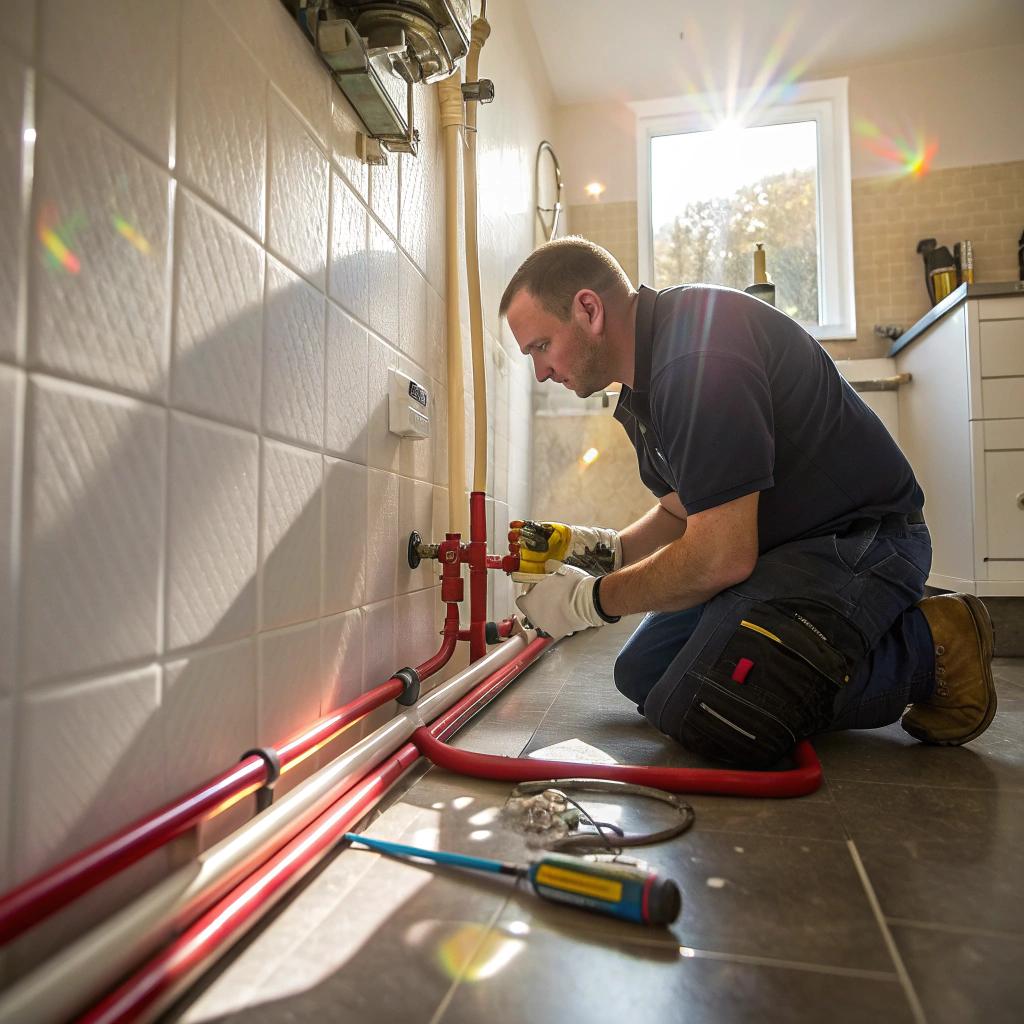
If you care about making a home safe and comfortable for someone with mobility limits, a chronic condition, or just aging joints, then reliable plumbing is not really optional. Companies like Spartan Plumbing help keep accessible homes safer by fixing leaks before they cause slips, making bathrooms easier to use, keeping hot water steady and safe, and setting up systems that are simpler for caregivers to manage.
That is the short answer. The longer answer touches on a lot of small, practical details that shape daily life in an accessible home.
Why plumbing matters more in an accessible home
Every home needs working plumbing. You already know that. But in an accessible home, the risks when something goes wrong feel higher.
For example:
- A small leak on a bathroom floor can turn a transfer from wheelchair to toilet into a real fall risk.
- A temperature spike in the shower can be painful for anyone, but for someone with slow reaction time, it can be dangerous.
- A backed up toilet can trap a person in a bedroom if there is only one accessible bathroom.
Plumbing problems in an ordinary home are annoying. In an accessible home, they can quickly turn into safety issues or caregiving emergencies.
That is the main reason many caregivers and families look for plumbers who understand accessibility needs, not just pipes and fixtures. A company that sees the person behind the repair usually makes better choices on how to fix something, and how fast it should be done.
Common plumbing risks in accessible homes
Some problems show up again and again in homes with older adults, people recovering from surgery, or family members with disabilities. You might recognize a few.
Slippery bathroom floors
Any leak or splash that reaches the floor is a concern. In many accessible bathrooms, you see:
- Roll in or curbless showers
- Handheld shower heads
- Shower seats or benches
- Grab bars everywhere, which is good, but they sometimes get wet
These features are great for access. But they also mean water has more paths to escape if plumbing is not set up very carefully.
When a company like Spartan Plumbing checks an accessible bathroom, they tend to look for things such as:
- Slow leaks around shower valves that drip down the wall
- Improper slope of the floor that lets water pool near the entrance
- Loose or worn caulk near grab bars and fixtures
- Drains that cannot keep up with shower flow, causing standing water
If a plumber can keep water where it belongs, they reduce the risk of slips, falls, and mold that can affect breathing.
Unstable water temperature
Many people living with disabilities have slower reflexes or reduced sensation. A sudden burst of very hot water can hurt before they can move away. Caregivers also worry about loved ones who try to “turn it hotter” because they cannot feel temperature well.
Plumbers who focus on safety often recommend or install things like:
- Anti scald valves on shower and sink lines
- Thermostatic mixing valves that cap the maximum water temperature
- Water heater settings that avoid scald risk while still allowing comfortable showers
Some people push back and say, “We can just be careful.” In my view, that sounds nice, but real life does not always work that way. Caregivers get tired. People forget. Safe temperature controls simply remove one stress from the day.
Toilets and drains that clog often
In accessible homes, toilets and drains can clog more often because of:
- Flushable wipes, which are not truly flushable in many systems
- Incontinence products that accidentally go down the toilet
- Extra hair in showers from caregivers helping with washing
- Older plumbing that was never designed for heavy daily use
For someone who needs help transferring, a blocked toilet or shower is not just a nuisance. It can derail the entire care routine for the day.
Reliable drains keep caregiving routines predictable, which reduces stress for both the caregiver and the person receiving care.
Hidden leaks and water damage
Wheelchairs, walkers, and shower chairs put more stress on bathroom floors. If there is a small leak under the surface, that movement can slowly break tile, loosen flooring, or rot subfloor. The damage is often hidden until it is large enough to cause a problem.
At that point, repairs are noisy, long, and disruptive. For someone with sensory issues or dementia, that can feel overwhelming.
How Spartan Plumbing supports safer accessible bathrooms
Different plumbing companies have different habits, of course. But many of the safer choices in an accessible bathroom fall into a few main areas.
Barrier free and low threshold showers
Curbless or low threshold showers are popular in accessible homes. The idea is simple. You do not want someone to lift their feet high to step over a tub wall.
The challenge is keeping water under control. A plumber who understands this type of shower will pay attention to things like:
- Drain placement in the right spot, not just centered
- Proper floor slope toward the drain so water does not run out of the shower area
- Using linear drains where wheelchairs roll through
- Making sure the drain size matches the shower head flow
| Shower feature | Risk if done poorly | Safer choice |
|---|---|---|
| Curbless entry | Water flows into hallway | Careful floor slope and proper drain position |
| Handheld shower | Spray outside shower area | Mount with slide bar and limit hose tangle |
| Shower seat | Water pools under seat | Drain directly under or near seating area |
I have seen bathrooms where everything looked beautiful, but the drain was in the wrong place. Every shower meant pushing water back toward the drain with a squeegee. That is not great for someone who already struggles with fatigue.
Grab bars and secure mounting
Grab bars are not just hardware. They are something people put their full body weight on. If they rip out of the wall, the fall can be serious.
A plumbing team that often works in accessible homes will usually coordinate with whoever installs grab bars. Sometimes the plumber is the one who also installs them, sometimes not. The key is to make sure:
- Grab bars are anchored into solid blocking, not just drywall
- The wall behind the tub or shower has proper reinforcement
- Any penetrations through waterproofing layers are carefully sealed
It is not strange for a plumber to suggest moving a bar a few inches if it interferes with valves, or if it will be easier to reach during a transfer. That kind of small conversation can make the layout much safer.
Accessible faucets and controls
People with arthritis, tremors, or low hand strength struggle with small knobs or stiff handles. That affects both safety and independence.
Plumbers who pay attention to accessibility often recommend:
- Lever handles on faucets instead of round knobs
- Pressure balanced or thermostatic shower valves
- Single handle controls that are easier to move with limited grip
Some families think touch faucets or complex digital controls will solve everything. Sometimes they do help. Other times, they confuse an older person who just wants a simple handle. A good plumber will usually ask how the person uses the space before installing something high tech just because it is new.
Keeping hot water safe and reliable
Caregivers often say that hot water is one of the biggest sources of stress they did not expect. Either there is not enough of it for back to back showers, or it runs too hot and they worry about burns.
Right sized water heaters
If someone needs more frequent bathing, or if multiple people live in the home, a small water heater can run out very fast. That is more than an annoyance when you are halfway through helping someone wash.
Plumbing companies like Spartan Plumbing can look at things such as:
- Number of people in the home
- How often showers and laundry happen
- Whether an extra bathroom was added without updating the heater
Then they suggest either a larger tank, a second heater, or sometimes a tankless setup. There is no perfect answer. Bigger tanks cost more to run. Tankless units can be tricky with low flow shower heads. Some families like a mix of both. The point is to match the system to the way the home is actually used, not just guess.
Setting safe temperature limits
A common rule of thumb is to keep the water heater hot enough to prevent bacteria growth, but not so hot that it causes instant burns. That balance is trickier for someone who takes longer to step away from hot water.
Plumbers can help by:
- Installing mixing valves that blend hot and cold to a safe limit
- Checking that anti scald devices at fixtures are working
- Adjusting heater settings and labeling them clearly
Some caregivers like to test water with a thermometer regularly. Others just use the back of the hand. I think both habits can work, but technical controls in the plumbing give an extra layer of protection that does not rely on memory or energy levels.
Drain and sewer care that protects health
Drain and sewer issues are easy to put off, until they suddenly are not. For someone with a fragile immune system, or who uses a wheelchair, standing sewer water or recurring clogs are more than a simple household issue.
Keeping drains clear without harsh chemicals
People often grab strong chemical drain cleaners first. In an accessible home where someone has respiratory problems or skin sensitivity, that can be a mistake.
Professional plumbers usually prefer methods such as:
- Mechanical snaking for clogs close to the fixture
- Hydro jetting for deeper buildup in lines
- Enzyme based cleaners for maintenance, in some cases
These approaches reduce harsh fumes and lower the chance of damage to older pipes. They also tend to give a clearer picture of why the drain is clogging in the first place.
Preventing sewer backups
In some homes, especially older ones, tree roots, sagging pipes, or broken connections can lead to sewer backups. If the only accessible bathroom is on a lower level, it might be the first place sewage appears.
Plumbers who deal with this often perform:
- Camera inspections of sewer lines
- Repairs or partial replacements of damaged sections
- Installation of backwater valves in certain layouts
This part is not glamorous at all, but it has a big impact on health. Raw sewage in a bathroom that someone with limited mobility relies on is more than just messy. It can force a temporary move, which is hard on everyone.
Plumbing choices that support caregivers
People sometimes forget that caregivers are part of the safety picture. If plumbing choices make their work harder, fatigue rises, and mistakes are more likely. A good plumber can reduce that load just by thinking through daily routines.
Placing shut off valves where people can reach them
Imagine a toilet that starts to overflow while you are helping someone transfer. If the shut off valve is hidden behind the tank, at floor level, with boxes in front of it, you might not get to it in time.
Plumbers can relocate or add valves so that:
- They sit higher on the wall for easier reach
- They are not hidden behind furniture or appliances
- Labels show which valve controls which fixture
I have seen homes where one well placed main shut off valve prevented a major flood during a small emergency. That simple change also gave the family more confidence to call for help without panicking.
Making fixtures easier to clean
Caregivers clean a lot. Any feature that cuts cleaning time or strain protects their back and their patience.
| Plumbing choice | Caregiver impact |
|---|---|
| Wall hung toilets (where structure allows) | Easier to mop under, less bending |
| Single lever faucets | Simpler to wipe clean, fewer crevices |
| Fold down shower seats | Space to move during cleaning, safer footing |
| Handheld shower head on slide bar | Easier to rinse walls and floors after bathing |
These details might feel small, but when you repeat the same tasks every day, they add up.
Clear communication during repairs
One thing families often mention, sometimes with frustration, is poor communication during plumbing work. In accessible homes, this problem is more serious, because repairs can disrupt medication schedules, sleep, and personal care.
A plumbing company that works well with caregivers tends to:
- Explain what work is planned and how long it will likely take
- Point out when water will be off, so baths or toileting can be planned around it
- Offer options when possible, not just one fixed approach
Some caregivers want to understand every detail. Others only want the basics. Good communication is not about endless explanation, it is about matching the amount of detail to what the family actually needs.
Planning plumbing when you remodel for accessibility
Many accessible homes start as standard houses. Then something changes. A diagnosis, an accident, or a parent moving in. The family begins to plan a remodel, often focused on ramps, wider doorways, or stair lifts. Plumbing can easily be an afterthought.
I think this is a mistake, but it is a common one.
Questions to ask before changing the bathroom
If you are working with a contractor and a plumber, here are some questions that help keep safety and accessibility in focus:
- Where will the person turn a wheelchair or walker once inside the bathroom?
- Is the toilet height comfortable for transfers?
- Can the shower be entered without lifting feet high or stepping over anything?
- Are valve handles and shower controls reachable from a seated position?
- If water leaks, where will it go, and how fast will someone notice?
A plumber used to accessibility work may suggest moving pipes a bit to allow better layout of grab bars, or to make more space around the toilet. These changes are easier before walls are closed.
Being realistic about budget and priorities
Most families do not have unlimited funds. It is tempting to invest in visible changes and skip hidden upgrades such as new shut off valves or better drainage. I think that is understandable, but sometimes the invisible features matter more in the long run.
Some people like to rank possible changes, for example:
- Anything that clearly reduces fall or burn risk
- Changes that make toileting and bathing less physically demanding
- Upgrades that reduce future breakdowns or flooding
- Comfort or convenience extras
This kind of ranking helps during talks with a plumber. If they know the main goal is safety, they can adjust their suggestions around that, even if it means skipping some nice looking features.
Choosing a plumber when accessibility is a factor
You do not need a company that markets itself as an “accessibility expert” to get good results. What you need is someone who is willing to listen, ask questions, and think about how the person uses the home.
What to ask before hiring
Before you schedule work, you might ask:
- Have you worked in homes with grab bars, roll in showers, or other accessibility features?
- Are you comfortable talking directly with the person who lives here, if they want that?
- Can you help suggest safer fixtures, not just replace old ones with the same type?
- How do you handle urgent situations, like an overflowing toilet in the only accessible bathroom?
You might not get perfect answers, and that is fine. The goal is to see whether the plumber reacts thoughtfully or brushes off safety questions.
Watching how they work in the home
During the first visit, pay attention to details such as:
- Do they ask before moving mobility equipment or medical items?
- Do they keep walkways clear of tools and hoses, as much as possible?
- Do they take a moment to explain what they are doing, without heavy jargon?
These small signals often show how they view the people in the home, not just the plumbing problem in front of them.
Small habits that keep plumbing safer over time
Plumbers can set up safer systems, but daily habits in the home matter too. Some of these may sound simple, almost too simple, but they do help.
Routine checks that caregivers can do
- Look at floors around toilets and sinks once a week for new stains or soft spots.
- Run a hand under sinks to feel for moisture or small drips.
- Listen for changes in water pressure or odd noises when fixtures run.
- Test water temperature in the shower before each use, especially for someone with reduced sensation.
None of this replaces professional work, of course. But early noticing can catch problems while they are still small and easier to handle.
Reasonable rules about what goes down drains
This part can be a little awkward to talk about, especially around toilets and incontinence products. Still, it matters.
- Set a clear rule that wipes, even if labeled “flushable”, go in the trash unless a plumber has confirmed your system can handle them.
- Use drain screens in showers to catch hair, especially when caregivers assist with washing.
- Keep a covered trash can in the bathroom so that throwing items away feels easy and private.
Families sometimes argue about these rules. That is normal. Try to frame them as “ways to protect independence” instead of strict house rules. Fewer clogs mean fewer disruptions to bathing and toileting, which most people do want.
Questions caregivers often ask about plumbing and accessible homes
Q: Is it worth paying extra for a plumber who talks about accessibility, or should I just pick the cheapest?
A: Price matters, of course. But if a slightly higher cost brings better safety, fewer call backs, and less stress, many caregivers find it worth it over time. The cheapest option sometimes ignores long term issues, which can lead to more expensive repairs later. I would not say “always pick the highest price”. Instead, compare how each plumber talks about your specific needs.
Q: Do I really need special fixtures for an accessible bathroom, or can I just use standard ones?
A: Many standard fixtures work fine, especially if the person has mild mobility limits. For more complex needs, items like lever handles, comfort height toilets, and proper shower seats can make a big difference. You do not need every specialty product you see in catalogs. Focus on features that reduce effort and risk in the tasks the person struggles with most, such as transfers or standing balance.
Q: How often should I ask a plumber to inspect our home if I am worried about safety?
A: There is no single right answer. Some homes manage with a visit every couple of years, while others with older pipes or frequent clogs might need yearly checks. A reasonable approach is to schedule an inspection after any major change, like a bathroom remodel or a new family member moving in with higher care needs, then adjust based on what you and the plumber notice.