
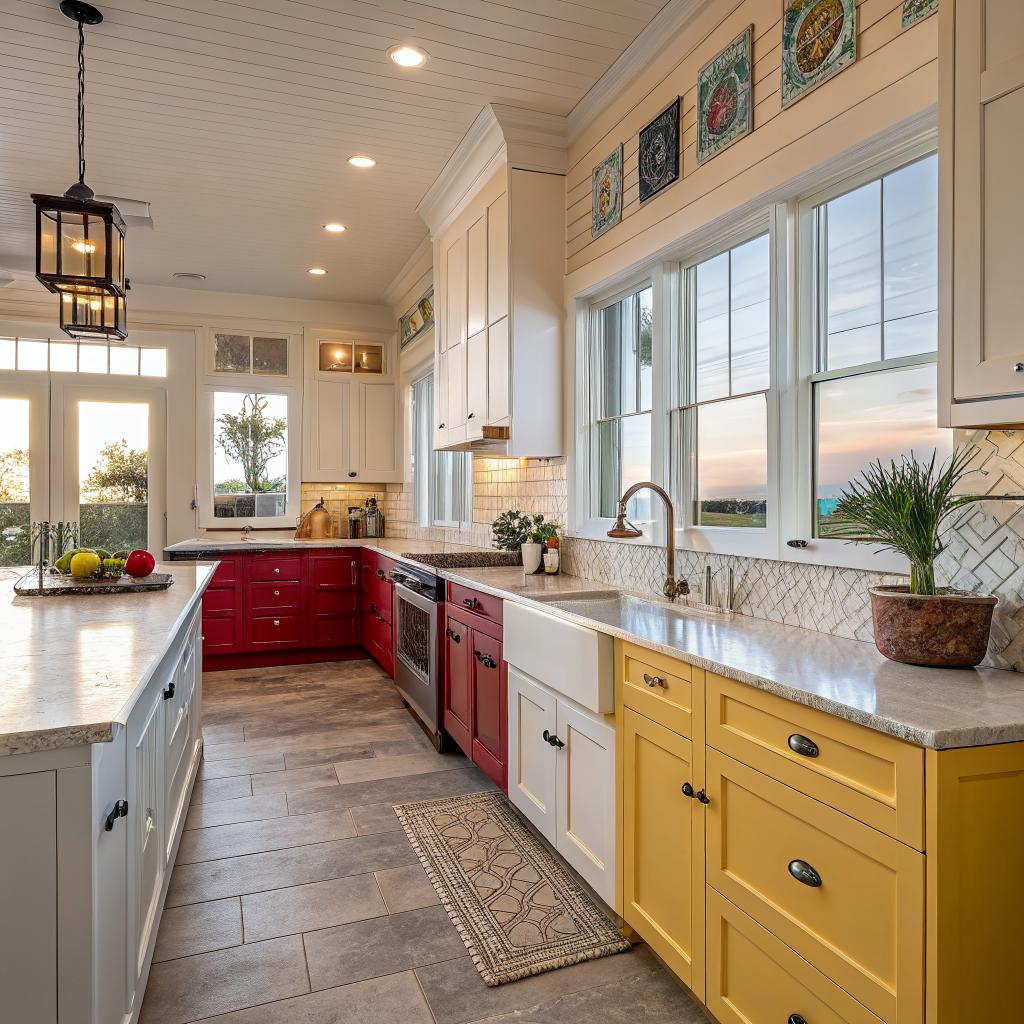
Yes, a kitchen can be renovated in Rockport, Texas to support safer aging in place, and in many homes it probably should be. A thoughtful plan, the right layout, safer appliances, and good lighting can reduce falls, make daily tasks easier, and lower the stress on both older adults and family caregivers. If you live in the area and are already looking into a kitchen renovation Rockport Texas project, it is possible to combine style, resale value, and real safety upgrades in the same remodel.
That sounds simple on paper. In real life, it can feel messy. You might be juggling a parent who wants to keep things “just like they are,” a tight budget, and a house that was built long before anyone talked about universal design. So I want to walk through what actually matters in a kitchen for aging in place, what is nice to have but not urgent, and where families sometimes get it wrong.
Why the kitchen matters so much for aging in place
When people talk about safe homes for older adults, bathrooms usually get the attention. That makes sense. Wet floors and hard surfaces are a bad mix. Still, the kitchen is where many quiet, serious problems start.
Think about what happens in a kitchen on a normal day:
- Reaching overhead for heavy dishes
- Carrying hot pots across the room
- Standing on tiptoe or using a step stool
- Leaning over a hot stove to reach controls
- Twisting and bending to get things from deep lower cabinets
For someone with good balance and strong legs, these are small annoyances. For someone with arthritis, slower reflexes, or mild memory loss, they can turn into real hazards.
A well planned kitchen can quietly support an older adult every single day, without making the space feel like a hospital or a care facility.
I have seen families spend money on smart refrigerators while their parent still uses a wobbly step stool to reach plates. That type of decision does not really help with aging in place. Safety and ease of use should come before fancy features.
Start with one question: “How is the kitchen used now?”
Before thinking about products, grab a notepad and watch how the kitchen is used for a few days. If you are helping a parent or partner, you might even want to film short clips on your phone with their permission, so you can review details later.
Pay attention to things like:
- Where they stand most of the time
- Which cabinets they open again and again
- How often they reach above shoulder height
- Whether they lean on counters for balance
- How steady they look when moving with a full pot or plate
It can feel uncomfortable to watch for “problems,” especially with someone you love. Still, if you skip this step, your renovation might solve the wrong problems. Or create new ones.
The best aging in place kitchen is not the one that looks perfect on a design website. It is the one that quietly fits how an older adult actually cooks, cleans, and moves today, not how they used to twenty years ago.
Common warning signs you should not ignore
You do not have to be a medical expert. If you notice any of these patterns, they point to a strong need for safety upgrades:
- Using a dining chair or step stool to reach upper cabinets
- Leaving cabinet doors half open because they are hard to close
- Stacking heavy items on top of the refrigerator or high shelves
- Frequent spills near the sink or stove
- Squinting under dim lights while chopping or reading labels
- Getting tired halfway through preparing a simple meal
If two or more of those sound familiar, the kitchen is not just “old.” It is making life harder than it should be. That is usually a good time to start talking seriously about renovation.
Layout choices that help with mobility and balance
In many Rockport homes, kitchens were built when people expected to be more physically able in older age, or simply did not think ahead. Narrow walkways, sharp corners, and tight turns are very common.
Clear walking space
For aging in place, the space to move matters as much as the cabinets and appliances. If someone uses a walker now, or might in the future, that should shape the plan.
| Area | Safer width or space | Why it matters |
|---|---|---|
| Main walkway | At least 36 inches, 42 is better | Lets a walker or two people pass without bumping into counters |
| Work zone in front of sink or stove | At least 30 inches clear | Reduces sideways shuffling, which leads to trips |
| Turning space for wheelchair | Around 60 inches diameter if needed | Allows a full turn without hitting cabinets or appliances |
Different homes have different limits. If a full open layout is not realistic, you can still remove a peninsula, trim back an island, or move a fridge to create a more direct path.
Work triangle vs work zones for older adults
Traditional kitchen design talks about a “triangle” between the stove, sink, and refrigerator. For younger adults, that can work fine. For someone older, I think a “short path” idea makes more sense.
In other words, focus on minimizing the number of steps between:
- Fridge and main prep area
- Prep area and sink
- Sink and stove
Sometimes moving the microwave closer to the fridge, or adding a prep sink closer to where groceries are set down, can do more for daily safety than a perfect triangle. The plan should match energy levels and balance, not just design rules.
Countertops and cabinet choices that support aging hands and backs
Storage is where many kitchens fail older adults. You might not notice it right away, because the space looks “neat.” The trouble shows up in small ways: sore backs, dropped dishes, or meals that get simpler over time because reaching for tools is just too tiring.
Rethinking upper cabinets
In many aging in place projects, the goal is not to remove every upper cabinet. It is to make the most used items easy to reach without stretching or climbing.
Some practical ideas:
- Keep heavy, daily items between waist and shoulder height
- Use pull down shelves in key upper cabinets for plates or glasses
- Add under cabinet lighting to help with contrast and depth perception
- Prefer cabinet doors that open easily with simple pulls, not tiny knobs
If someone is under 5’4″ or has shoulder issues, you may want fewer upper cabinets over all, or at least shallower ones. That can feel like a sacrifice at first, but it often leads to better use of lower storage.
Drawers instead of deep lower cabinets
Lower cabinets with a single fixed shelf are hard on knees and backs. Pull out drawers or sliding shelves are friendlier for aging in place. You pull the items toward you instead of bending and twisting.
Well planned drawers can hold:
- Pots and pans with lids in shallow separate sections
- Mixing bowls and baking dishes
- Dry goods in sealed containers
- Small appliances that are still light enough to lift safely
If bending is a real problem, you might ask your contractor about more drawers at waist height and fewer at the floor level. Not every corner of the kitchen needs to be packed with storage if the cost is pain or risk.
Countertop height adjustments
Standard counter height works for many people, but not for everyone. Someone who is shorter, or uses a wheelchair, may need a section that is lower or open underneath.
| User situation | Helpful counter change |
|---|---|
| Average height, mild mobility issues | Standard height, but allow a seated work area at a nearby table or peninsula |
| Wheelchair user or likely future user | One open section with knee space, usually around 30 to 34 inches high |
| Back pain, limited bending | Keep most frequent prep tasks near front edge of counter, avoid deep counters |
I have met people who resisted lower or open counters because they did not want their home to “look disabled.” That reaction is understandable, but not always helpful. Often, the final result looks normal once it is integrated with the rest of the design. And it can make daily life easier long before a wheelchair is needed.
Appliance choices that quietly protect safety
Appliances are where many families either overspend or underthink. A huge, high tech range is not very helpful to someone with arthritis in their hands. At the same time, keeping a very old, hard to read stove just because it “still works” can be risky.
Safer stoves and cooktops
Fire and burns are two serious kitchen risks in older age. Memory changes, slower movement, and weaker grip all make open flames more dangerous.
Some features to look for:
- Front or side controls so there is less reaching over hot pots
- Clear, high contrast markings on knobs and panels
- Automatic shut off or timer functions
- Induction cooktops that keep surfaces cooler than gas
Not every person is comfortable giving up a gas stove. If a gas cooktop must stay, you can still ask about:
- Flame failure devices that cut gas if the flame goes out
- Sturdy, stable grates that keep pans from tipping
- Good ventilation to help with breathing and comfort
Oven height and location
Wall ovens at about waist to chest level can be much safer than bending to a low oven. No crouching, less risk of hot dishes slipping.
Some people like a double oven for entertaining. For aging in place, a single oven at a comfortable height with a strong pull out shelf or a nearby landing spot can be better. The goal is fewer chances to carry heavy, hot items across the room.
Refrigerators that match energy and reach
Side by side, French door, top freezer, bottom freezer, it can get confusing. For aging in place, the questions are simpler:
- Are the most used items at comfortable reach height?
- Is the door easy to open without a strong pull?
- Are shelves adjustable and not too deep?
- Is the lighting inside clear enough?
Sometimes the answer is to keep the fridge style and adjust what goes where. For example, move milk, eggs, and leftovers to a middle shelf, and store less used items higher or lower. Other times, a new unit with a more friendly layout is worth planning into the renovation budget.
Lighting and contrast: small changes, big impact
Many older kitchens in Rockport have two big blind spots: dim lighting and poor contrast. That mix can lead to knife cuts, trips, and missed steps.
Layered lighting
Instead of relying on one overhead fixture, a safer kitchen usually has layers of light:
- Bright overhead light for general visibility
- Under cabinet lights for counters
- Task lighting near the stove and sink
- Night lighting for safe early morning or late night trips
LED lights help reduce energy use, but that is not the main point here. The real goal is to reduce shadows and give clear, even light where knives, hot surfaces, and spills happen.
Color and contrast for depth perception
As eyes age, seeing small changes in depth or similar colors gets harder. A kitchen that looks “soft and blended” in a design magazine might be confusing in real life.
Helpful contrast examples:
- Countertops that differ clearly from the floor color
- Edge detail or a slightly different tone at counter fronts
- Cabinet hardware that stands out from the cabinet, not blends in
- Light switches in a color that does not disappear into the wall
Good lighting and clear contrast are quiet safety features. Visitors rarely notice them, but older adults and caregivers feel the difference every day.
Floors that are kinder on joints and balance
Flooring choices often come last in planning, which is strange because falls are such a big concern in aging. Hard, glossy tile might seem durable, but it can be slippery when wet and tough on knees and hips.
Safer flooring options
When you talk with a contractor, consider these qualities:
- Non-glare finish to reduce reflections and visual confusion
- Slip resistance, especially near sink and dishwasher
- A little “give” underfoot, like some vinyl or cork products
- Minimal height changes where the kitchen meets other rooms
Rugs can be tricky. Small throw rugs near the sink can bunch and trip people. If a mat is needed for comfort, look for one with a beveled edge and a non-slip backing that lies totally flat. And keep the number of floor coverings to a minimum.
Thinking about dementia and memory changes
Not every aging in place project involves dementia, but many families do face some level of memory, attention, or judgment change. If you suspect that might be part of your picture now or later, the kitchen plan should absorb that reality, not ignore it.
Reducing clutter and confusion
For someone with memory challenges, fewer visible items make it easier to focus. Yet hiding everything behind doors can also be disorienting.
Some middle ground ideas:
- Use clear glass doors or a few open shelves for the most used daily dishes
- Label cabinet doors and drawers with simple words or icons
- Keep counters mostly clear, with just the core items in view
- Assign one “snack drawer” so the person knows exactly where to look
Cooking safety for mild cognitive change
If someone is starting to forget burners on, you will face tough decisions. Total freedom in the kitchen may not stay safe forever. Still, a thoughtful renovation can support as much independence as is reasonable.
Useful features can include:
- Stove shut off devices triggered by time or motion
- Appliances that are easy to turn fully off with clear “off” points
- Microwave and toaster locations that limit carrying hot items across the room
- Lockable storage for sharp knives or cleaning supplies if needed
This is one area where a caregiver and an older adult might not fully agree. The person cooking may feel capable, while the caregiver sees near-accidents. Renovation planning can be a gentle way to talk about these tensions, instead of waiting for a crisis.
Balancing safety with pride and style
One thing people do not always say out loud: many older adults do not want a kitchen that screams “I am old.” They want a home that still feels like theirs, that they can invite friends into without feeling labeled.
So while grab bars and lever handles are safer, they need to be chosen with some respect for personal taste. It is not shallow to care how things look. Dignity matters in aging in place.
Universal design without a clinical feel
Some features help everyone, at every age, and do not call attention to disability. For example:
- Lever style faucets that are easier for weak hands
- Pull out spray faucets that prevent awkward reaching
- Rounded counter edges that reduce injury if someone bumps them
- Wide, smooth drawer pulls that are easier to grip
Colors, tile patterns, and cabinet faces can still reflect local Rockport style, coastal tastes, or just long held personal preferences. A safe kitchen does not need to look sterile.
Planning a renovation in Rockport: local details that matter
Rockport homes have some extra factors: humidity, salt in the air, occasional storms, and power interruptions. These do not just affect siding or roofs. They influence kitchen choices too.
Materials that hold up in a coastal environment
Humidity and salt can be tough on cheaper hardware, hinges, and some finishes. When an older adult is involved, broken handles or warped cabinet doors are more than an annoyance. They can turn into hazards.
Ask about:
- Quality hinges and glides that resist corrosion
- Moisture tolerant flooring that does not swell quickly
- Good ventilation to control steam and reduce mold risk
You do not need top of the line everything, but cutting corners on parts that get daily use is usually a mistake, especially if an older person will lean on them for balance.
Power outages and backup plans
Storms in coastal Texas can bring outages. If someone older lives alone, that means the kitchen should stay somewhat safe and usable even when the power is out.
Some people add:
- Battery powered touch lights in key spots
- A manual can opener stored in a clear, labeled place
- A small, easy to reach shelf with shelf stable foods
These are not technically renovation tasks, but they pair well with a remodel. The idea is to think through not only the “best days” in the kitchen, but also the stressful ones.
Cost, priorities, and what to do first
A full kitchen renovation in Rockport is a serious investment. Not every family can or should change everything at once. Sometimes, a smart set of smaller changes brings more safety than a flashy total overhaul that eats the budget.
High impact changes for safety and comfort
If you must choose, I would usually place things in this rough order:
- Lighting and flooring that reduce falls
- Appliance changes that lower fire and burn risks
- Cabinet and drawer changes that cut down bending and reaching
- Layout tweaks that open walking paths
- Style upgrades and nicer finishes
That list is not perfect for everyone. For example, if someone already uses a walker, widening pathways may jump higher on the list. The key is to match spending to the most serious risks, not just to what looks impressive in photos.
Talking about money with an older parent
This part is often harder than picking tile. Adult children may want more safety changes than a parent is willing to pay for. Or the parent might say, “I will not be here that long anyway.” Then ten years pass.
A few ideas that sometimes help:
- Frame the project as making life easier, not just safer
- Talk honestly about caregiver strain and how a better kitchen eases that
- Connect the renovation to staying at home longer instead of moving
- Be clear about what you, as a caregiver, can and cannot safely manage
You do not have to agree on every detail, but you do need a shared sense of the biggest goals. A renovation done only for resale, while ignoring current safety issues, often misses the point for aging in place.
Practical steps to move from ideas to action
Once you have a sense of needs and priorities, it is time to move from theory to a real plan. This part can feel overwhelming. Still, it becomes easier if you break it down.
1. Make a safety and wish list separately
List safety needs in one column and “nice to have” items in another. For example:
| Safety needs | Nice to have |
|---|---|
| Non-slip flooring | High end backsplash tile |
| Better lighting over counters | Specialty beverage fridge |
| Easier to reach storage for daily dishes | Glass door cabinets for display pieces |
That simple split helps guide conversations with contractors and keep decisions grounded when you are faced with many options.
2. Talk with medical or therapy professionals
If the older adult works with a physical therapist, occupational therapist, or home health nurse, ask if they can share observations:
- Do they see balance or strength issues that affect kitchen use?
- Are there hand or shoulder limits that should shape cabinet and faucet choices?
- Do they recommend preparing for future walker or wheelchair use?
You might not follow every suggestion, yet it helps to design based on real functional details, not guesses.
3. Involve the older adult actively
Planning for someone without their real input often backfires. A parent who feels pushed into a renovation may resist using new features or complain about every change.
Try to ask:
- Which parts of the current kitchen feel hardest to use?
- Which items are non-negotiable, like a certain table or cabinet?
- How many people usually cook or clean at the same time?
- What future needs worry them most?
Some answers may surprise you. I have seen people cling to a particular cabinet simply because it holds memories. Knowing that before demolition day helps avoid hurt feelings and stress.
Sample Q&A to finish the planning conversation
Q: My mother insists she is fine in her current kitchen, but I see her struggling. Am I overreacting?
You might be, or you might be the only one noticing slow, quiet changes. Struggle is not always dramatic. If you see regular bending, stretching, and balancing acts that could go wrong, then your concern is reasonable. You do not need to push for a full renovation at once, but I would at least start with smaller changes like better lighting, safer flooring, and moving heavy items to easier heights. Often when those are in place, the older adult feels the relief and becomes more open to larger changes.
Q: We cannot afford a full tear out in Rockport. Is a partial renovation still worth doing for aging in place?
Yes, it can still help a lot. A full remodel gives you more control over layout and structure, but partial work on lighting, appliances, and select cabinets can improve safety. The key is to target real trouble spots, not cosmetic features. For example, swapping floor material and adding pull out shelves usually helps more than changing all the cabinet doors. If you are careful and honest about priorities, a smaller project can still support aging in place in a meaningful way.
Q: Is it better to renovate now, before there are major health problems, or wait until we “need” it?
Waiting until you absolutely need changes often means making rushed decisions after a fall or hospital stay. That is a stressful time for everyone. Renovating a bit earlier, while the older adult can still test layouts, practice using new storage, and give feedback, usually leads to a kitchen that fits them better. Also, safe features like good lighting and non-slip floors help at every age, not only in old age. So as long as the budget allows, planning before crisis tends to be kinder to both the older adult and the caregiver.