It is not easy to choose flooring when you are caring for people who are unsteady on their feet, using wheelchairs, or living with dementia. We worry about falls, germs, noise, and cleaning, while still wanting the place to feel like a real home, not a cold facility. Many of us have stood in a showroom or on a website thinking, “What will really be safe, and what will I regret in two years?”
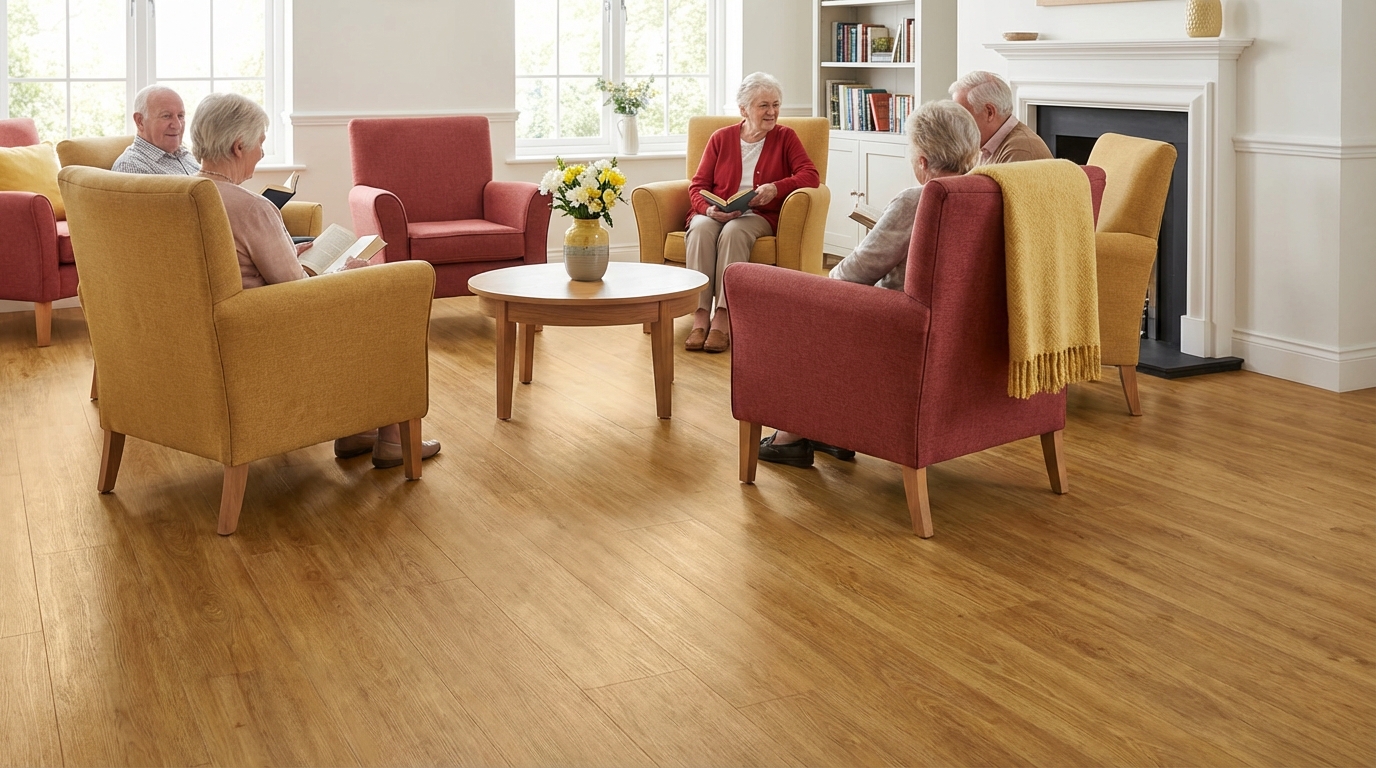
The short answer is that luxury vinyl plank (LVP) tends to be the best all‑around flooring choice for most care homes and accessible homes. It combines slip resistance, cushioning, easy cleaning, water resistance, and a warm, homelike look in a way that few other materials can match. When chosen and installed carefully, LVP can support safer mobility for residents, reduce staff workload, and help spaces feel more like a calm home than a hospital.
How LVP Helps Care Homes Feel Safe, Clean, and Homelike
Choosing flooring in a care setting is rarely just about looks. We carry the weight of knowing that one bad fall or one infection can change a life. At the same time, we want residents and family members to walk in and feel comfort, not clinical coldness.
Luxury vinyl plank sits in that middle space between function and warmth. It is not perfect, and there are cases where other options might fit better, but for most shared living and care environments, it covers more needs at once than almost any other common floor.
LVP stands out because it supports mobility, fall prevention, infection control, and emotional comfort in the same surface.
Here are the main reasons many care homes and accessible homes choose LVP over carpet, ceramic tile, sheet vinyl, or hardwood:
- It looks like wood, which feels familiar and homelike, but it handles spills, sanitation, and wheels like a resilient floor.
- It tends to be quieter and softer than tile or laminate, which supports comfort and reduces stress.
- It is usually easier to keep clean to a clinical standard than carpet, without looking like a hospital floor.
- It works well with walkers, wheelchairs, and patient lifts, with fewer trip edges than many other options.
- Quality products can last for many years with regular care, even in busy hallways and dining areas.
What Exactly Is Luxury Vinyl Plank?
For many caregivers and managers, flooring terms all blur together. Before we look at care‑specific benefits, it helps to know what LVP actually is and how it differs from other materials.
Basic structure of LVP
Most luxury vinyl plank flooring has several layers:
| Layer | What it is | Why it matters for care homes |
|---|---|---|
| Wear layer | Clear, tough coating on top | Resists scratches, stains, and daily wear from walkers, wheelchairs, and carts. |
| Design layer | Printed image, often wood or stone look | Gives a warm, familiar look that can reduce anxiety compared to clinical finishes. |
| Core | Vinyl or composite core for stability | Helps prevent warping and gaps so wheels roll smoothly and residents are less likely to trip. |
| Backing | Base layer, sometimes with attached underlayment | Can add cushion, sound reduction, and slightly softer impact if someone does fall. |
LVP usually comes in long planks that mimic hardwood boards. There is also luxury vinyl tile (LVT), which looks like stone or larger tiles. For caregiving spaces, both can work, but plank with a wood pattern is often more calming and familiar for residents.
How LVP compares to other common care home floors
Here is a simple comparison for busy care environments:
| Floor type | Pros for care homes | Concerns |
|---|---|---|
| Carpet | Soft, quiet, reduces impact from falls | Traps odors and allergens, hard to disinfect, can catch wheels and walkers. |
| Ceramic / porcelain tile | Very durable, waterproof, good for infection control | Hard, cold, very slippery when wet, loud, harsh on joints. |
| Sheet vinyl | Seamless in some areas, easy to clean, water resistant | Can look institutional, dents more easily, can feel slick with some finishes. |
| Laminate | Wood look, low cost | Swells with moisture, can be slippery, noisy, and unforgiving for falls. |
| Hardwood | Warm, natural, familiar | Scratches, water damage risk, higher upkeep, can be slippery when finished. |
| Luxury vinyl plank | Wood look, water resistant, quieter, easy to clean, good with wheels | Quality varies by brand; poor choices can look cheap or off‑gas odors. |
For many care homes, LVP offers the gentle look of a residential space with closer to the cleaning and durability demands of a health setting.
Safety Benefits of LVP for Residents and Staff
When we think about safety, many of us picture grab bars and handrails, but the surface under every step may affect safety just as much. The right floor will not prevent every fall, but it can lower the risk and soften the impact.
Slip resistance and falls
LVP often has a textured surface that provides better grip underfoot than polished tile or some laminates. Guidance from safety and accessibility groups points to a few helpful features:
- Textured surface: Light embossing can improve traction without creating grooves that trap dirt.
- Matte or low sheen finish: High shine floors can be slippery and visually confusing for people with dementia or low vision.
- Slip‑resistant wear layer: Some LVP products are tested for wet and dry slip resistance, which is helpful in areas such as bathrooms, dining rooms, and entrances.
This does not mean all LVP is automatically safe. Some very cheap products have smooth, plasticky surfaces that can feel slick, especially when wet. It is wise to ask for technical data or samples and test with wet shoes and bare feet.
Impact on injury severity
We cannot always stop a fall, but we can think about how hard the landing will be. A completely rigid floor like stone or ceramic can lead to more severe injuries. LVP, especially with a resilient backing or underlayment, offers a little bit of “give.”
While it is not as soft as thick carpet or special safety floors, that small amount of cushioning can:
- Reduce stress on joints for residents with arthritis and for staff on their feet all day.
- Soften minor bumps and stumbles.
- Feel more forgiving for residents who are anxious about falling.
Some manufacturers offer “safety vinyl” or “acoustic LVP” lines with extra cushioning. Those can be especially helpful in memory care, long corridors, or resident bedrooms.
Trip hazards and mobility devices
Care homes are full of wheels and aids: rollators, wheelchairs, shower chairs, lifts, medication carts. The wrong flooring can turn these into hazards.
Quality LVP benefits mobility in several ways:
- Smooth, level surface: Planks lock tightly, so there are fewer edges to catch a walker or toe.
- No deep joints: Unlike real tile with grout lines, LVP planks meet with tiny seams that wheels roll over easily.
- Compatible with ramps: Transitions between rooms can be kept low and beveled, which helps with fall prevention.
- Stable under rolling loads: Higher grade LVP is designed to handle rolling chairs and carts without deep denting.
It can help to walk the planned flooring path with a wheelchair or walker during planning, even if only in your mind, to notice every doorway, threshold, and color change.
Infection Control, Hygiene, and Odors
Anyone who has cleaned up a stomach bug in a shared bathroom or handled incontinence in a common room knows how strongly flooring affects infection control and dignity. We want to respect residents while still keeping strict hygiene.
Non‑porous surface and cleaning
LVP is non‑porous, so bodily fluids, spilled drinks, or cleaning solutions sit on top instead of soaking in. This supports safer clean up because:
- Germs have less chance to hide deep in fibers or cracks.
- Stains from urine, blood, or medicine are less likely to become permanent.
- Standard disinfectant cleaners recommended for resilient floors can often be used.
LVP offers many of the same hygiene benefits as sheet vinyl, while looking warmer and less clinical day to day.
For best hygiene results:
- Use a two‑step cleaning method: first remove soil with a neutral cleaner, then apply a disinfectant compatible with vinyl.
- Avoid harsh solvents that can damage the wear layer or leave residue that becomes sticky.
- Train staff to wipe spills promptly, especially in dementia units where residents may sit on the floor or touch surfaces.
Dealing with incontinence and recurring spills
Bathrooms, around beds, in dining rooms, and near recliners where residents sit for long periods tend to be “spill zones.” In these areas:
- LVP is more forgiving than laminate or wood, which can swell or stain.
- It is far easier to truly clean than carpet, which can trap urine deep in the pad.
- Replacing a few damaged planks is often possible if repeated accidents cause damage over time.
In high‑risk rooms, some homes choose:
- Full glue‑down LVP with well‑sealed seams to limit moisture penetration.
- Sheet vinyl in bathrooms and LVP in bedrooms, using low‑profile transitions.
Odor control
Long‑term care settings sometimes struggle with odors. Flooring plays a large role:
- Carpet fibers and pads can hold onto urine smells even with frequent cleaning.
- Porous grout in tile can trap odors around toilets and urinals.
LVP helps by:
- Providing a surface that does not absorb and hold odors the same way.
- Allowing deeper, more frequent cleaning without damaging the material.
To avoid plastic or chemical odors from the flooring itself, it is wise to:
- Choose products with low VOC (volatile organic compound) certifications.
- Air out new spaces as much as possible before residents move in.
Comfort, Acoustics, and Emotional Wellbeing
Care is not just about preventing falls and infections. It is about creating a place where residents feel calm and respected, families feel at peace, and staff feel less drained. Flooring has quiet but steady influence on all of these.
Noise and acoustic comfort
Noise in a care home can be stressful. Hard, echoing floors make every dropped spoon, every rolling cart, and every loud voice feel sharper.
LVP can reduce sound levels compared to harder surfaces:
- The vinyl material absorbs more sound than tile or stone.
- Attached acoustic backing or underlayment can further soften footsteps and rolling noises.
- Less clatter can reduce agitation for residents with dementia or sensory sensitivity.
Quieter floors help staff too. Reduced noise fatigue over a long shift can support better focus and kinder interactions.
Underfoot comfort for residents and caregivers
When staff walk miles of corridors every shift and residents shuffle slowly from bed to bathroom, underfoot comfort matters.
Benefits of LVP for comfort include:
- A slight softness compared to laminate, wood, or tile, which can hurt knees and hips over time.
- A warmer feel on bare or stocking feet, which matters for residents who prefer not to wear shoes.
- Less “shock” with each step for staff who already carry the physical strain of lifting and assisting.
There are also safety‑conscious “cushioned LVP” products designed for more impact absorption. Some homes use them selectively in bedrooms and quiet lounges.
Visual comfort and dementia‑friendly design
For residents with dementia, Parkinson’s, or visual changes, flooring patterns and colors can affect both safety and anxiety. LVP is very flexible visually, which gives us room to support those needs.
Helpful approaches include:
- Simple, calm wood patterns: Avoid heavy knots, high contrast planks, or bold stones that can look like holes or obstacles.
- Warm, mid‑tone colors: Very dark floors can look like open space or water; very light floors can cause glare.
- Good contrast with walls and furniture: So residents can separate the floor from the wall and see seating clearly.
- Limited visual “busyness”: Busy patterns can worsen confusion for some residents.
A gentle, natural‑looking LVP can calm the eye and help residents feel oriented, which supports both safety and dignity.
Some care homes also use subtle changes in LVP tone or pattern to signal different areas, such as a darker wood in corridors and a slightly lighter tone in lounges, without using harsh color blocks that confuse depth perception.
Practical Advantages: Durability, Water, and Maintenance
Care environments are hard on floors. We are dealing with dropped equipment, constant chair movement, wheelchairs, cleaning chemicals, and spills. Once furniture is in and residents are settled, changing flooring becomes very disruptive, so we want something that holds up.
Durability under real‑world care conditions
Quality LVP is designed for heavy commercial use. In a care setting, that translates into:
- Scratch and scuff resistance: From walkers, canes, oxygen tanks, and daily foot traffic.
- Impact resistance: Better than ceramic tile, which can chip if something heavy falls.
- Dent resistance: Especially in glue‑down products used under heavy furniture and beds.
That said, not all LVP is equal. Low‑cost residential products can dent or scratch more easily, and the wear layer can be too thin for a busy corridor. For care homes, it is safer to choose lines rated for “commercial” or “healthcare” use, with a thicker wear layer.
Water resistance and moisture
Bathrooms, kitchens, medication rooms, and entrances bring water and moisture into the building regularly. LVP handles this better than many other warm‑looking floors:
- Planks themselves are usually highly water resistant.
- Spills can be wiped up without swelling or staining in most products.
- Short‑term wet mopping is fine when manufacturer instructions are followed.
There are two cautions:
- Standing water: Long periods of standing water can seep into joints or edges, so attention to plumbing leaks and flooding is still needed.
- Subfloor moisture: For ground floors and basements, moisture barriers and proper preparation are important to avoid mold under the floor.
For showers and very wet areas, caregivers are usually better off with sheet vinyl or tile designed for those conditions, then using LVP in adjacent dry areas.
Everyday maintenance for busy teams
Staff time is precious. Any flooring that demands special waxes, heavy buffing, or delicate cleaning routines adds to already full workloads. LVP usually supports simpler routines:
- Regular sweeping or vacuuming to remove grit.
- Damp mopping with a neutral pH cleaner made for vinyl surfaces.
- Spot cleaning of spills with soft cloths or mops.
Many products do not need waxing or polishing. Some have factory finishes that resist staining and scuffing without topical coatings. When choosing a product, ask:
- What daily and weekly care does the manufacturer recommend?
- Are there extra coatings that must be reapplied on a schedule?
- Are common disinfectants used in your home compatible with the floor?
This step helps avoid surprises, such as a beautiful floor that requires specialized buffing equipment that the home does not have.
Cost, Value, and Long‑Term Planning
Care budgets are often tight, and flooring is a large expense. The pressure to save money is real. At the same time, a cheap floor that fails early or causes more falls is not a real saving.
Upfront cost compared to other floors
LVP usually sits in the middle range:
| Floor type | Typical material cost (relative) | Notes for care settings |
|---|---|---|
| Lower‑grade carpet | Low | Cheapest at first, but replacement may be frequent in high use areas. |
| Laminate | Low to medium | Inexpensive, but not friendly to moisture, and less forgiving for falls. |
| LVP (commercial) | Medium | Reasonable initial cost with strong overall performance. |
| Sheet vinyl (commercial) | Medium to higher | Pricing varies with quality and installation complexity. |
| Quality carpet tile | Medium to higher | Some can be replaced by tile, but still more odor concerns. |
| Ceramic / porcelain tile | Higher | Material and installation can both be expensive. |
| Hardwood | Higher | Costly and higher maintenance in care environments. |
Labor and subfloor work also affect cost. Glue‑down LVP in large spaces can be labor intensive, but it often pays off in stability and longevity.
Value over time
When we look past the price tag and think over 10 or 15 years, LVP often offers strong value because:
- It may last longer than cheaper carpet and laminate in high‑traffic areas.
- It reduces some maintenance tasks, such as waxing or frequent stain removal.
- It can lower some indirect costs, such as staff injury from slips during mopping on very smooth floors.
This does not mean it solves every financial concern. There are still trade‑offs. For example:
- Extra sound‑absorbing LVP costs more per square foot.
- Strict infection‑control areas may still need specialized sheet materials.
Still, for resident bedrooms, living rooms, corridors, and many dining areas, long‑wear LVP usually balances cost and performance in a way that supports both safety and the home‑like feel we want.
Choosing the Right LVP for a Care Home
Not every product labeled “LVP” is suitable for a care setting. It is easy to be drawn to the prettiest sample and the lowest price, but decisions based only on those factors can backfire.
Key features to look for
When you evaluate LVP for a care home or accessible home, you might find it helpful to look for:
- Commercial or healthcare rating: Products intended for heavy traffic and rolling loads, not just “light residential” use.
- Wear layer thickness: Thicker wear layers tend to handle more scrubbing and traffic. Designers often recommend at least 20 mil (0.5 mm) for busy care areas.
- Slip resistance data: Some manufacturers publish slip test ratings. Look for surfaces that maintain grip when damp.
- Low VOC certification: To protect residents with respiratory issues and to limit chemical odors after installation.
- Cushion or acoustic backing: Especially in bedrooms, corridors, and common rooms, for both comfort and noise control.
Before signing a contract, ask suppliers directly: “Do you have communities like ours using this product, and what has their experience been?”
Color, pattern, and resident needs
Style choices are not just about taste; they are about function and dignity.
Helpful guidelines include:
- Moderate variation between planks: Some variation looks natural, but strong contrast between boards can look like steps or gaps to unsteady residents.
- Avoid strong geometric patterns: These can look like obstacles or holes, especially in dementia care.
- Match flooring tone to light levels: Dark floors in dim corridors can feel gloomy; pale floors under strong sun can glare.
- Avoid very glossy finishes: They can reflect lights in confusing ways and appear slippery.
It can help to bring sample boards into the actual space, lay them on the floor, and look at them at different times of day with residents present. Notice how their eyes and movements respond.
Installation choices: glue‑down vs floating
There are two main ways LVP is installed:
- Glue‑down: Planks are glued directly to the subfloor.
- Floating (click‑lock): Planks lock together and rest on an underlayment without being glued down.
For care homes, glue‑down is often preferred in heavy use spaces because:
- It handles rolling loads better, such as beds, lifts, and heavy recliners.
- It is less likely to move or separate under stress.
- Damage can sometimes be repaired by replacing individual planks.
Floating LVP may still have a place in lighter use rooms or areas where you expect more future changes. High quality floating floors can also work in smaller residential care homes, especially where there is more attention to localized spills and less use of very heavy rolling equipment.
Where LVP Works Best inside a Care Home
Different spaces ask different things from flooring. LVP is flexible, but not uniform in every room.
Ideal areas for LVP
Many homes have had good experiences using LVP in:
- Resident bedrooms: Gentle underfoot, easy cleaning for incontinence, and warm appearance compared to sheet vinyl.
- Corridors and lounges: With the right acoustic backing, it keeps traffic areas comfortable and less echoing.
- Dining rooms and activity spaces: Handles food and drink spills better than carpet, while still feeling homelike.
- Reception and family visiting areas: First impressions matter, and wood‑look LVP usually feels welcoming.
If budgets are tight, some homes phase LVP into the most used or most visible spaces first, then gradually replace older carpet or laminate elsewhere.
Areas where extra care is needed
Certain spaces may call for a more careful decision:
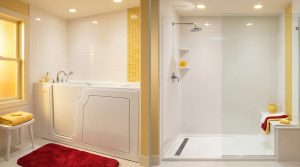
- Bathrooms and wet rooms: LVP outside the direct wet zone can work very well, but in step‑in showers, wet rooms, and around tubs, molded safety floors or sheet vinyl with welded seams often give better water protection.
- Kitchens and laundry rooms: LVP can perform well, but heavy appliances, high heat, and frequent water demand strict attention to subfloor preparation and product choice.
- Staircases: Stairs need special nosings and slip resistance. Some LVP lines have matching stair treads, but professional advice matters here.
In these settings, some homes mix materials carefully, using gentle transitions and keeping the overall look coordinated to support residents’ sense of place.
Limitations and When LVP May Not Be the Best Choice
Even though LVP suits many care needs, it is healthy to notice its limits. There are situations where another surface might serve residents and staff better.
Situations where you might choose something else
You might find that LVP is not the best fit in cases such as:
- Constant standing water: Accessible showers, wet room floors that are flushed with hoses, or hydrotherapy areas often need specialized safety flooring and drainage.
- Outdoor or semi‑outdoor spaces: Covered porches, smoking areas, or entrances open to weather generally need products designed for temperature swings and UV exposure.
- Existing subfloors in poor condition: If there is significant movement or moisture damage, that must be addressed before LVP, or any other new flooring, is laid.
In such places, combining LVP with other materials can give each room what it needs, while maintaining a unified look.
Environmental and indoor air concerns
Some caregivers and families worry about vinyl products because of plastics and chemical emissions. These concerns are valid, especially for residents with asthma or chemical sensitivities.
If you choose LVP, you can lower these risks by:
- Looking for third‑party certifications around low VOC emissions.
- Reviewing product documentation for phthalate‑free plasticizers and safer chemistry standards where possible.
- Ensuring good ventilation during and after installation, before residents return to the area.
If your community has very strong environmental commitments, you might weigh natural materials like linoleum in some areas. Still, LVP remains common in care because its practical safety and cleaning benefits are significant.
Practical Tips for Care Teams Managing LVP Floors
Once the floor is in, daily habits shape how long it lasts and how well it serves residents. We do not need perfection, but small routines help.
Daily and weekly care routines
Many care teams find it helpful to standardize simple practices:
- Spot clean quickly: Wipe spills as soon as possible to prevent slips and staining.
- Use gentle tools: Microfiber mops and soft pads reduce scratching compared to stiff brushes or abrasive pads.
- Rinse residue: If cleaner residue builds up, the floor can become sticky and then attract more soil, so an occasional rinse with clean water helps.
Calm, regular care of LVP floors reduces emergencies later, much like routine care with residents prevents more severe crises.
Protecting floors from equipment and furniture
Some small adjustments can prevent damage:
- Add wide, smooth glides or caps to the legs of chairs and lifts.
- Avoid dragging very heavy furniture; use sliders when moving beds or wardrobes.
- Use walk‑off mats at entrances to catch grit and moisture, keeping mats low‑profile and non‑slip.
Staff training can include a short section on how to move equipment without harming the floor. This helps protect both the flooring investment and resident safety.
Planning for repairs and replacements
Even good floors take damage over time. Planning ahead can reduce stress:
- Keep a small stock of spare planks in each color and pattern used in the home.
- Record exact product names, colors, lot numbers, and installation dates for each area.
- Schedule times for small repair projects when residents are least disrupted, such as during outings or group activities in other rooms.
Knowing that damaged sections can be repaired or replaced helps everyone relax a bit. The floor does not need to be perfect to be safe and homelike; it just needs to be cared for and thoughtfully maintained.
Luxury vinyl plank is not a magic fix, but it offers a rare mix of safety, comfort, cleanability, and warmth that fits the daily reality of care. When we stand in the hall at the end of a long shift, watching residents move calmly and steadily on a surface that supports them, the choice of flooring feels less like a technical detail and more like part of the care itself.