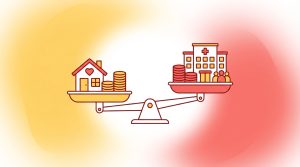

It is very common to reach a point where the house feels like both a blessing and a worry. The home is filled with memories and comfort, yet the rising cost of groceries, medications, and home care can leave us lying awake at night, wondering how long we can keep up. When we start hearing about reverse mortgages, it is natural to feel a mix of hope and fear: “Is this a lifeline, or a trap I will regret?”
In simple terms, a reverse mortgage can be a safe option for some seniors, but it can also be risky for others. It tends to be safest when a senior plans to stay in the home for many years, understands all the fees and rules, keeps up with property taxes and insurance, and has family members who are informed and on board. It is usually a poor choice for someone who may need to move soon, struggles to afford taxes or basic upkeep, or hopes to leave the house itself as an inheritance.
What Exactly Is A Reverse Mortgage?
Before we can decide whether a reverse mortgage is safe, we need to be clear on what it is and what it is not. Many of us have heard bits and pieces from television commercials or friends, and the picture can get fuzzy.
A reverse mortgage is a special kind of loan for homeowners who are 62 or older. Instead of you sending payments to the bank every month, the bank sends money to you, using the value of your home as security. You still own the home, and your name stays on the title, but the loan balance grows over time instead of shrinking.
A reverse mortgage turns part of your home equity into cash, without requiring monthly mortgage payments, as long as you live in the home and follow the rules of the loan.
Most reverse mortgages in the United States are Home Equity Conversion Mortgages (HECMs), which are insured by the Federal Housing Administration (FHA). These have specific protections and rules. There are also some private, “proprietary” reverse mortgages that are not FHA insured, usually tied to higher-value homes.
Basic Features Of A Reverse Mortgage
- You must be at least 62 years old.
- The home must be your primary residence.
- You must have enough equity in the home (often at least 50 percent or more).
- You keep the title and remain responsible for property taxes, homeowners insurance, and maintenance.
- You receive money from the lender, either as a lump sum, a line of credit, monthly payments, or a combination.
- The loan does not usually have to be repaid until you move out, sell the home, or die.
When the loan ends, the balance (plus interest and fees) is paid back, often from the sale of the home. If there is any remaining equity after the loan is paid, it goes to you or your heirs.
How Reverse Mortgages Work Day To Day
Reverse mortgages can feel complex, but daily life with one is fairly simple for many people. You live in your home, and instead of writing a check to the bank, you receive money or have access to a line of credit.
Ways You Can Receive The Money
The lender usually offers several payout options:
- Lump sum: You receive one large payment at closing. This often has a fixed interest rate. It can be tempting, but it can drain your available equity quickly.
- Monthly payments (tenure): You receive a steady, guaranteed monthly payment for as long as you live in the home and the loan remains in place.
- Monthly payments (term): You receive payments for a set number of years.
- Line of credit: You draw funds as needed. Unused funds in the line of credit may grow over time, giving you more borrowing power later.
- Combination: Some seniors choose a mix, such as a smaller lump sum and a line of credit.
The choice of payout affects both safety and long-term impact. Large lump sums can create risks if money is spent quickly or used to pay off other high-interest debts without a solid plan.
What You Still Have To Pay For
A reverse mortgage does not remove all home-related responsibilities. You must still:
- Pay property taxes on time.
- Maintain homeowners insurance.
- Keep the home in reasonable repair.
- Live in the home as your primary residence.
If you fall behind on taxes or insurance, or move out for an extended time, the lender may call the loan due, which can lead to foreclosure if the debt is not repaid.
This is one of the key reasons some seniors get into trouble with reverse mortgages. The monthly relief can feel big at first, but if taxes or insurance are already a struggle, the loan can only help for so long.
When A Reverse Mortgage Can Be Relatively Safe
Reverse mortgages are not automatically “bad” or “good.” They sit in the middle. Certain situations lend themselves to safer, more stable outcomes.
You Plan To Age In Place For Many Years
A reverse mortgage works better for seniors who expect to stay in their home at least 5 to 10 years. This is because:
- Upfront fees are spread across more years of benefit.
- You avoid selling costs and the stress of moving.
- You gain steady access to funds that support aging in place.
If you already feel that your home is suitable for aging (one-story, or can be safely modified, close to family or care), and you are mostly content there, a reverse mortgage can support that plan.
You Have Enough Income To Cover Taxes, Insurance, And Upkeep
If your existing income (Social Security, pension, savings) comfortably covers property taxes, insurance, and general upkeep, the risk of default is lower. The reverse mortgage then acts as a supplement for:
- Home modifications (ramps, walk-in showers, grab bars).
- In-home caregivers or respite care.
- Medical costs and co-pays.
- Everyday living costs that strain your monthly budget.
When the loan is used to support safe living conditions and steady care, not to cover chronic overspending, it tends to be safer.
Your Spouse Or Partner Is Protected
If you are married or live with a long-term partner, it is safer to have both of you as borrowers on the loan, if possible. That way, when one of you dies or moves into long-term care, the other can still stay in the home and keep the reverse mortgage in place.
Both partners should be fully informed, attend counseling together, and appear on the loan when possible, so no one is surprised or displaced later.
If one partner is younger than 62, special rules apply for “non-borrowing spouses.” These rules can give that person some rights to stay in the home, but they are more limited, so careful review is needed.
You Want To Reduce The Risk Of Outliving Your Savings
For seniors who own a home but have modest savings, a reverse mortgage can act as a buffer. Instead of pulling heavily from retirement accounts early, the reverse mortgage can:
- Cover part of monthly expenses to slow down the use of savings.
- Provide a line of credit that can be drawn on during emergencies.
- Fill gaps if medical or care costs rise suddenly.
This does mean that the home carries more debt later on. If your main goal is your own stability rather than leaving the full home value to heirs, this tradeoff can feel acceptable.
When A Reverse Mortgage Can Be Risky Or Unwise
Some families look back on a reverse mortgage with deep regret. Often, the problem is not that they made a choice in bad faith, but that they did not fully understand the downsides.
You Might Need To Move Within A Few Years
If there is a good chance that you will need to move into assisted living, a nursing home, or closer to family soon, a reverse mortgage can become costly and short-lived. Reasons this happens include:
- Serious health problems that are getting worse quickly.
- Steep stairs or layout that cannot be made safe for mobility changes.
- Isolation from family, friends, or medical care.
Reverse mortgages have sizable upfront costs, which are usually rolled into the loan. If the loan only lasts a few years before you have to sell the home, you might feel you paid a lot for a short-term solution.
You Already Struggle With Bills Or Money Management
If property taxes and insurance are already unpaid or late, or if there is a pattern of overspending, a reverse mortgage can make the situation worse over time:
- The new cash flow can be spent quickly without fixing the underlying problem.
In these cases, it can be safer to meet with a nonprofit credit counselor, a financial counselor, or an elder law attorney to look at other options.
You Strongly Want To Leave The Home Itself As An Inheritance
If it is very important that your children or grandchildren receive the house free and clear, a reverse mortgage might conflict with that goal.
A reverse mortgage reduces the equity in the home over time. Your heirs can still inherit what is left, but they must either pay off the loan or sell the home.
Heirs usually have the right to:
- Sell the home and keep any remaining equity after the loan is paid.
- Pay off the loan (often at the lesser of the loan balance or 95 percent of the home’s current appraised value) and keep the home.
For some families, this is acceptable. For others, the emotional value of the home is so strong that any loan against it feels wrong. That feeling deserves respect. It is better to be honest about this early, rather than feel deep regret later.
You Have Family Members Relying On Living In The Home
Adult children, grandchildren, or other relatives may be living with you, relying on the home for shelter. When the reverse mortgage ends because you die or move out, the loan becomes due. The lender will expect the balance to be paid, usually from the sale of the home.
If your relatives cannot qualify for a new loan or do not have savings to pay off the reverse mortgage, they may have to move. This can create both financial and emotional strain.
Talking openly with family before taking out a reverse mortgage is one of the most caring steps you can take, even if the conversations feel hard.
Key Protections And Safety Features
Many seniors worry that they or their spouse could end up owing more than the home is worth. Modern HECM reverse mortgages include several protections that help with this concern.
Non-Recourse Feature
Most HECM reverse mortgages are “non-recourse” loans. This means:
- You or your heirs will never owe more than the home is worth at the time it is sold to repay the loan.
- If the loan balance ends up higher than the home value, FHA insurance covers the difference, not your family.
Your heirs can walk away from any shortfall between the home’s value and the loan balance. They are not personally responsible for that gap.
This protection does not mean there are no risks, but it avoids one of the most frightening ones.
Counseling Requirement
Federal rules require HECM borrowers to complete counseling with an independent, HUD-approved counselor. This session is meant to:
- Explain the loan in plain language.
- Review costs, risks, and alternatives.
- Confirm that you understand what you are signing.
The quality of counseling can vary. You might find it helpful to write down questions beforehand and bring a family member or trusted friend. Ask the counselor to walk through examples, such as “What happens if I move into assisted living in five years?” or “What happens when I die and my children inherit the house?”
Protections For Non-Borrowing Spouses
Rules have improved for younger spouses who are not yet 62 when the reverse mortgage is taken out. Some protections can allow them to stay in the home after the borrowing spouse dies, as long as they meet certain conditions.
That said, their access to funds can stop after the borrower dies, and important details depend on how the loan was set up. It is wise to ask a counselor or elder law attorney to review documents with special attention to a younger spouse.
The Real Costs Of A Reverse Mortgage
Reverse mortgages are not free money. The costs are simply hidden inside the loan balance instead of arriving as a bill each month. Understanding those costs is key to deciding if this tool is safe for you.
Types Of Fees And Charges
Common costs include:
- Origination fee: This is paid to the lender for setting up the loan. For HECMs, there are caps, often in the range of several thousand dollars.
- Mortgage insurance premium: HECM loans include an upfront insurance premium, plus annual premiums, to fund FHA protections like the non-recourse feature.
- Closing costs: These include appraisal, title search, recording fees, and other standard real estate charges.
- Interest: Interest accrues on the amount you borrow, often at a variable rate tied to market conditions.
- Service fees: Some lenders charge monthly servicing fees.
These fees are usually added to the loan, not paid out of pocket. The more you borrow and the longer the loan stays open, the higher the total cost.
How The Loan Balance Grows Over Time
Interest is charged on the growing balance, which includes previous interest and fees. This creates a compounding effect. A simple way to imagine it:
Each month, interest is calculated on everything you have already borrowed, plus the interest and fees that were added earlier.
Here is a simple illustration (numbers are only examples):
| Year | Estimated Loan Balance | Home Value (modest growth) | Home Equity Left |
|---|---|---|---|
| Start | $0 | $300,000 | $300,000 |
| Year 5 | $90,000 | $330,000 | $240,000 |
| Year 10 | $160,000 | $365,000 | $205,000 |
| Year 20 | $300,000 | $445,000 | $145,000 |
In this example, the home still has equity left after 20 years, but a large part of its value has been turned into borrowed funds. That may be acceptable if the loan allowed you to live safely and with dignity, but it will impact any inheritance.
How A Reverse Mortgage Affects Family And Care Planning
Money choices in later life rarely affect only one person. They touch caregivers, adult children, grandchildren, and others who love you. Reverse mortgages are no different.
Conversations With Adult Children And Caregivers
Some seniors feel nervous about telling their children they are considering a reverse mortgage. They may worry their children will be upset, or think of the house as “already theirs.”
Still, open conversation can help everyone:
- Your children may better understand your financial stresses.
- You can learn how strongly they feel about the home as an inheritance.
- They can help ask questions you may not think of.
Inviting family into the conversation early often prevents future conflict, resentment, or misunderstanding around inheritance and housing.
Some families decide together that using home equity now for care is more loving than preserving it for later. Others choose to protect the home and look for different income sources. There is no single right answer.
Impact On Long-Term Care Choices
Money from a reverse mortgage can be used in several care-related ways:
- Paying for in-home caregiving to delay or avoid nursing home placement.
- Funding adult day programs that give caregivers a break.
- Making home modifications that reduce falls and hospital visits.
- Paying for companionship services that reduce isolation and depression.
In some states, drawing on home equity can affect Medicaid planning. Rules differ by state and situation. Meeting with an elder law attorney or benefits counselor before signing a reverse mortgage can help you avoid unpleasant surprises.
Alternatives To Reverse Mortgages
Before deciding that a reverse mortgage is your path, it helps to look at other options. Sometimes, a mix of smaller steps can bring enough relief without locking you into a complex loan.
Downsizing Or Moving To A More Accessible Home
Selling your current home and buying or renting a smaller, more accessible place can:
- Free up cash from your home equity.
- Reduce taxes, utilities, and maintenance costs.
- Place you closer to family, medical care, or services.
This option requires the energy and emotional strength to handle a move and the sale of a home with memories. Some seniors find that once the move is made, daily stress is much lower. Others feel deep loss. Both responses are valid.
Traditional Home Equity Loan Or Line Of Credit
If your income is steady and you can afford monthly payments, a traditional home equity loan or line of credit might cost less over time. Differences include:
- Usually lower closing costs.
- Required monthly payments to pay down the loan.
- More flexibility for younger co-borrowers.
The tradeoff is that missed payments can quickly lead to default. For seniors on very tight budgets, this can feel risky.
Local Or Government Assistance Programs
Before borrowing against the home, it can help to explore:
- Property tax exemptions or deferrals for seniors or veterans.
- Utility assistance programs.
- Home repair or weatherization grants.
- Meals on Wheels and nutrition benefits.
- Transportation support for medical visits.
Area Agencies on Aging, senior centers, and nonprofit organizations often know of programs that can ease some pressures without new debt.
Family-Based Solutions
Some families find ways to share housing costs or caregiving that reduce the need for a reverse mortgage:
- An adult child moves in and shares expenses.
- Family members contribute monthly toward taxes, insurance, or caregiving, knowing this protects the home for the future.
- A written family agreement where relatives invest in the home in exchange for future rights or reimbursements.
These paths require strong communication and clear expectations. Written agreements and outside guidance can help prevent conflict later.
Questions To Ask Before Deciding
Taking time to ask careful questions can make the difference between a reverse mortgage that supports your goals and one that creates stress.
Personal And Family Questions
- How long do I realistically expect to stay in this home?
- Is this home safe and suitable for aging, or will stairs and layout become a problem?
- Do I care more about my comfort and safety now, or about leaving the home itself to my heirs?
- Have I talked openly with my spouse or partner about this choice?
- Have I discussed this with my adult children or other close family members?
Financial And Legal Questions
- What are the total upfront and ongoing costs of this specific reverse mortgage offer?
- Is the interest rate fixed or variable? How high could it go?
- What happens if I fall behind on taxes or insurance?
- What are my responsibilities if I need to move into assisted living or a nursing home?
- What rights will my spouse or partner have if I die first?
- How will this loan affect my eligibility for Medicaid or other assistance programs?
Support And Advice Questions
- Have I met with a HUD-approved reverse mortgage counselor and asked every question on my mind?
- Have I asked a financial planner or elder law attorney, who does not work for the lender, to review the offer?
- Do I fully understand what will happen to the house and my family when the loan ends?
If you feel rushed, pressured, or confused, it is usually a sign to pause, ask for more explanation, and seek independent advice before signing anything.
Signs A Reverse Mortgage Might Be Right For You
No single sign is enough on its own, but together, they can point toward a good fit.
Positive Indicators
You might be a better candidate if:
- You are 62 or older and own your home with significant equity.
- You plan to stay in the home for a long time and the home is reasonably safe or can be made safe.
- You can comfortably pay property taxes, insurance, and maintenance, even without the reverse mortgage funds.
- You want to increase monthly cash flow, create a cushion for care, or set up an emergency line of credit.
- You are less focused on leaving the full home value as an inheritance and more focused on your quality of life now.
- Your spouse, partner, and close family members understand and support the choice.
Warning Signs To Stop And Reconsider
You might need to slow down or change course if:
- You feel pressured by a salesperson, friend, or relative to sign quickly.
- You plan to use the loan for risky investments, giving large gifts, or funding someone else’s business.
- You are already behind on taxes or have trouble managing money safely.
- You expect to move within a few years because of health or mobility concerns.
- Your spouse or partner would not be protected by the loan terms.
- Your heart is set on passing the house itself down to your children or grandchildren.
Steps To Take If You Are Seriously Considering A Reverse Mortgage
If, after learning about the pros and cons, you still feel that a reverse mortgage might be right for you, a thoughtful step-by-step approach can protect you.
1. Gather Your Financial Picture
Before talking to lenders, collect:
- Recent mortgage statement (if any).
- Property tax bills.
- Homeowners insurance policy information.
- Social Security, pension, and retirement account statements.
- List of monthly expenses and any debts.
This allows counselors and advisors to give advice that reflects your real situation.
2. Speak With A HUD-Approved Counselor
Schedule a session with a counselor who is not tied to a specific lender. During the session:
- Ask for a clear explanation of how the reverse mortgage would work for you.
- Request written examples using your home value and age.
- Ask about the impact on your heirs and on potential future moves.
Write down notes and do not hesitate to say, “I do not understand, can you explain that another way?”
3. Involve Trusted Family Or Friends
Invite at least one trusted person to attend the counseling session or a follow-up meeting. An extra set of ears can catch details and ask questions you may miss.
You are not being a burden by asking for help. You are taking a serious step and showing care for your future and your family’s future.
4. Compare Offers From Multiple Lenders
If you move forward, talk to more than one lender. Compare:
- Interest rates and whether they are fixed or variable.
- Origination and closing fees.
- Service charges and mortgage insurance costs.
- Available payout options and any restrictions.
Ask each lender to give you a written estimate called a loan summary or similar document. Take time to review.
5. Consult Independent Professionals
Bring the offers to:
- A financial planner familiar with retirement planning.
- Or an elder law attorney who understands housing and Medicaid issues.
Paying for one or two hours of independent advice can save you from costly mistakes later, or give you confidence that you are making a sound choice.
6. Make A Plan For Taxes, Insurance, And Home Maintenance
Before signing, write a simple plan:
- How will you pay property taxes each year?
- Will you set aside part of the reverse mortgage funds for insurance or repairs?
- Who will you call if finances or health change?
Some lenders offer “set-asides,” where part of the loan is reserved to pay taxes or insurance. This can reduce default risk, though it also reduces the amount of cash you receive.
7. Keep Your Family Informed Over Time
Once the loan is in place, update your family when:
- You draw large amounts from the loan.
- Your health changes or you start to consider assisted living or nursing home care.
- You receive statements that you do not fully understand.
Sharing information early and often makes it easier for caregivers and heirs to step in and help if things become confusing or stressful.
Reverse mortgages are not simple, and the decision to take one touches both the heart and the wallet. Many seniors use them safely to remain in their homes with less financial stress, while others find that the costs and tradeoffs do not match their values or family needs.
You do not need to rush. You deserve time, clear information, and supportive voices around you while you think this through.