
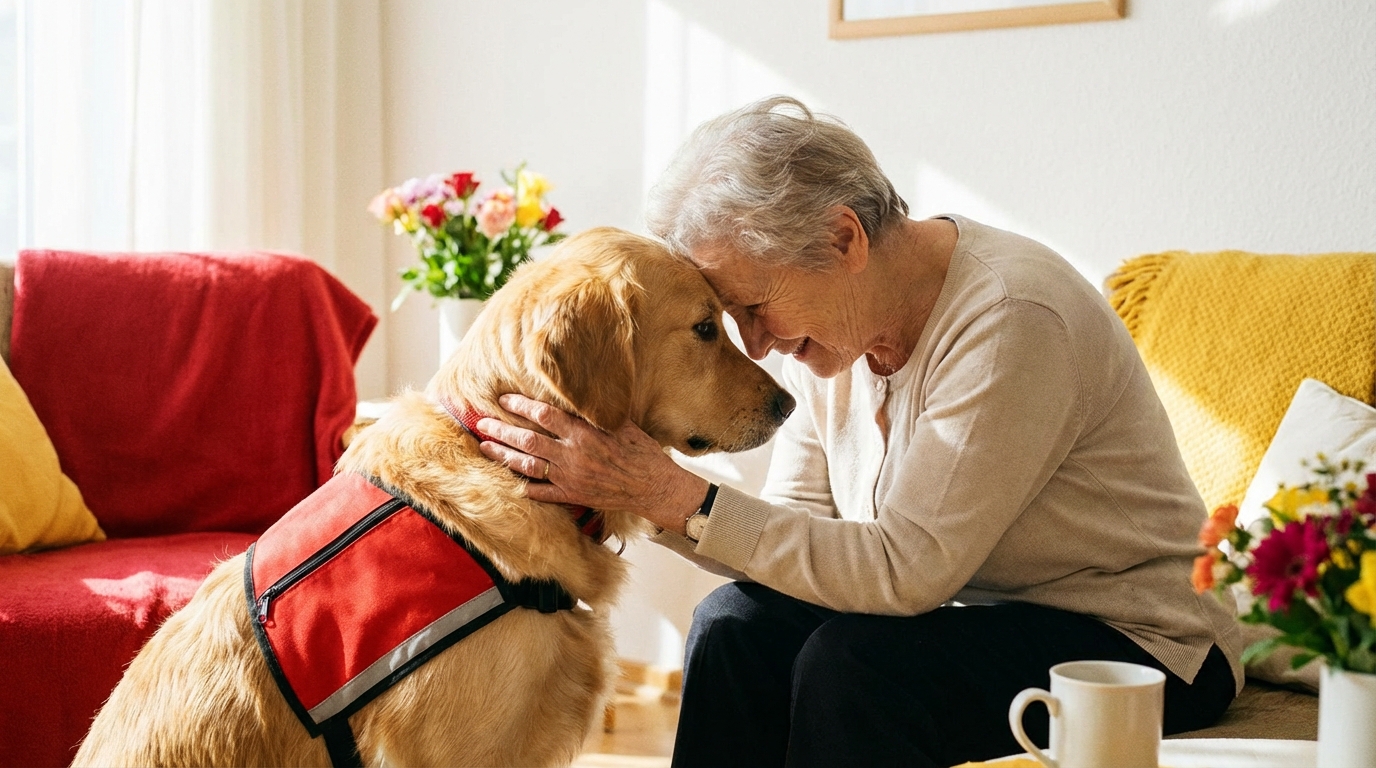
Some days it feels like the noise in our heads will never quiet down, and even the people who love us do not always know what to say. Then a cat curls up on our lap, or a dog leans into our leg, and for a moment, the world softens. Many of us have learned that an animal’s silent company can reach places that words do not touch.
Pet therapy, or animal‑assisted therapy, builds on that simple truth. It gives us a structured way to bring the comfort of animals into mental health care, daily life, caregiving, and recovery.
In simple terms, pet therapy can lower stress, lift mood, ease loneliness, and help with anxiety, depression, and trauma symptoms. Being with a calm, well‑matched animal can slow our breathing, help regulate our heartbeat, make it easier to talk about hard things, and even support better sleep and daily functioning. It is not a cure or a replacement for medical or psychological treatment, but it can be a gentle, steady companion to those supports, especially for people who feel isolated or overwhelmed.
Pet therapy does not solve every problem, but it can make the path feel less lonely, and that alone can change how carryable our burden feels from day to day.
What Pet Therapy Actually Is (And What It Is Not)
There is a lot of confusion about terms, so it helps to clear those up before we talk about benefits.
Types of animal support people often talk about
- Animal‑assisted therapy (AAT): Planned sessions with a trained animal and a therapist or health professional, with clear goals such as improving mood, social skills, or coping.
- Animal‑assisted activities (AAA): More informal visits, such as therapy dogs in hospitals, schools, or nursing homes, meant to bring comfort and enjoyment.
- Service animals: Specially trained animals (most often dogs) that perform tasks for one person with a disability, such as guiding someone who is blind or alerting to seizures. Their focus is on physical and functional support, though they often provide emotional comfort as well.
- Emotional support animals (ESAs): Companion animals that give comfort to a person with a mental health condition. They are usually not task‑trained like service animals, and their rights in housing and travel settings are different.
- Family pets: Our everyday animals at home that are not part of a program but still have a strong impact on mood and mental health.
Even a regular pet can feel “therapeutic,” and for many families that is the main source of animal comfort. Formal pet therapy simply adds structure, screening, and safety.
What all of these forms share is a simple idea: many of us feel safer and more grounded when we have a gentle animal by our side.
What pet therapy is not
It helps to be clear about the limits, so we do not place unfair pressure on the animal or ourselves.
- It is not a cure for serious mental illness.
- It is not a reason to stop therapy, medication, or medical care.
- It is not “just playing with animals,” even if sessions feel playful and light at times.
- It is not right for everyone. Some people feel afraid, allergic, or simply uninterested, and that is valid.
A good pet therapy program will speak honestly about these boundaries and will not promise miracles.
How Pet Therapy Supports Mental Health
The comfort we feel with animals is more than a pleasant feeling. It has measurable effects in the body and mind.
Calming the body’s stress response
When we spend time with a calm animal we trust, several things tend to happen:
- Stress hormones go down: Repeated studies show lower cortisol (one of the main stress hormones) after gentle interaction with a therapy animal.
- “Bonding” hormones go up: Oxytocin, sometimes called the bonding hormone, often rises when we pet or even look into the eyes of an animal we feel attached to.
- Heart rate and blood pressure can lower: For some people, especially those who live with chronic stress, that physical softening can be very noticeable.
This shift in the nervous system matters for mental health. When our body is less tightly wound, it can be easier to think clearly, sleep, speak about feelings, and avoid impulsive choices that come from being overwhelmed.
For many people, a therapy animal feels like a “shortcut” back to calm when talking or thinking alone is not enough to slow the racing inside.
Anxiety relief and grounding in the present
Anxiety pulls us into the “what ifs” of the future or the regrets of the past. Animals live in the present. They invite us into that moment with them.
Here are some ways pet therapy can ease anxiety:
- Grounding touch: Feeling warm fur, steady breathing, and the weight of an animal against the body can give the nervous system a clear signal that we are safe right now.
- Rhythm and routine: Walking a dog, brushing a horse, or feeding a rabbit creates simple, predictable tasks that anchor the day for those who feel scattered.
- Distraction from looping thoughts: Focusing on the animal’s needs and movements gently pulls attention away from intrusive worries without forcing us to “snap out of it.”
- Practice with exposure: For some social anxiety or trauma‑related anxiety, slowly working with an animal in a guided setting helps people practice being present, making eye contact, and tolerating closeness at a pace that feels safer.
Therapists sometimes pair pet therapy with breathing exercises, mindfulness, or grounding practices. For example, a person might be guided to feel each stroke of the animal’s fur, notice their breathing, and name five things they can sense in the room. The animal becomes a living anchor that makes those skills more concrete.
Support for depression and low mood
Depression often brings heavy thoughts: “I am a burden,” “Nothing I do matters,” “I cannot start anything.” An animal responds to us without those judgments.
Some helpful effects include:
- Gentle motivation: Knowing a dog needs a walk or a cat needs feeding can be enough reason to get out of bed or move to another room on a hard day.
- Immediate feedback: An animal’s wagging tail, purr, or relaxed posture can give a small sense of success and connection when human relationships feel strained.
- Interrupting isolation: Caring for or visiting with an animal breaks up long stretches of alone time, even if we do not feel ready to talk to people.
- Meaning and purpose: Some people say that their pet “gave them a reason to stay” when they felt very low. That feeling of being needed can be powerful, though it should never be the only support in place.
For people in formal treatment, therapists might use the animal as a bridge. Someone who finds it hard to share might first talk about the pet’s behavior that day, then slowly connect it to their own emotions.
Trauma, PTSD, and feeling safe again
For those who live with trauma histories, feeling safe in their own body can be very hard. Sudden noises, touch, or certain facial expressions may trigger alarms in the nervous system. Many survivors find that an animal feels safer than a person.
Pet therapy can help with:
- Rebuilding trust: A consistent, calm animal that shows up in the same way each time can model safe connection without pressure.
- Monitoring arousal: Some service and therapy dogs are trained to notice signs of panic or dissociation and gently nudge or lean until the person can reconnect to the present.
- Comfort during trauma work: Having a dog or other animal nearby while speaking about painful memories can make the emotional load more bearable.
- Reducing nightmares and sleep problems: Waking at night and feeling a cat or dog curled beside us can shorten the time spent in fear.
Of course, pet therapy must be handled carefully in trauma treatment. Consent, pacing, and choice are central. The person should always be able to say no to interaction, pick a distance that feels safe, and leave if needed.
Social connection and loneliness
Mental health struggles often come with deep loneliness. Some of us pull away from others, some feel misunderstood, and some live in settings where contact with friends and family is limited.
Animals help bridge that gap:
- Conversation starter: People are more likely to speak to someone who is walking a dog or sitting with a visible animal. This can ease first contacts in group programs, community centers, or outdoor spaces.
- Shared focus in therapy groups: In group sessions, focusing together on an animal often feels easier than looking at each other at first.
- Companionship without conditions: Many people say they feel “accepted as they are” by their pet. That feeling of unconditional regard supports self‑worth.
- Family bonding: In caregiving households, a pet can give children, adults, and elders a shared source of joy and a common topic that is not about illness or stress.
For those who feel cut off, an animal can be the first safe relationship on the way back to trusting people again.
Emotional and Practical Benefits Side by Side
Sometimes it helps to see the emotional and more “functional” effects together.
| Emotional / Inner Experience | Practical / Daily Life Impact |
|---|---|
| Feeling calmer and less on edge | Fewer panic episodes, easier time stepping out of the house |
| Feeling less alone | More willingness to attend groups, visit friends, or engage with care staff |
| Increased sense of being needed and valued | Better daily routine, more consistent self‑care and pet care |
| Greater sense of safety during emotional work | More effective therapy sessions, increased follow‑through with treatment plans |
| Softened negative thoughts about self | Lower risk of self‑harm, more hope in recovery plans |
Where Pet Therapy Shows Up: Settings and Populations
You might meet therapy animals in many different places, always with different goals and safety rules.
Hospitals and medical settings
People facing long hospital stays, surgery, or chronic illness often feel frightened and powerless. Therapy animals in hospitals are usually screened very carefully for health and behavior. In these settings, pet therapy can:
- Ease anxiety before procedures.
- Distract from pain and discomfort.
- Lift morale for patients, families, and even staff.
- Support children who feel overwhelmed by medical equipment and routines.
For caregivers sleeping in chairs at the bedside, a brief visit with a gentle dog can be a rare moment of comfort just for them.
Nursing homes, assisted living, and home care
Older adults, especially those who live in care facilities or who are mostly homebound, face large amounts of loss: of independence, routine, and sometimes of familiar roles in family and community. Pet therapy here can:
- Lighten feelings of grief and isolation.
- Encourage movement, such as short walks or reaching out to pet.
- Trigger pleasant memories and stories, which helps with memory care.
- Support people living with dementia to connect through touch and shared smiles, even when words are hard.
Family caregivers sometimes arrange visiting therapy animals at home, especially for loved ones who cannot care for a pet full‑time but miss animal contact.
For many elders, stroking a dog and talking about a long‑ago farm or favorite cat can open a doorway to the past in a way that feels comforting rather than confusing.
Schools and colleges
Children and young adults often carry more stress than they can easily express. Therapy animals in schools and campuses can:
- Provide comfort during testing seasons or after community crises.
- Help children with reading difficulties by listening “without judgment” as they read aloud.
- Support students with autism or sensory needs to practice social skills in a structured way.
- Offer calm during counseling sessions and peer support groups.
Many universities run “petting days” around exam time. While short events do not replace deeper supports, they can lower stress in that difficult period.
Mental health clinics, counseling centers, and support groups
Trained therapy animals often become part of ongoing counseling work. A therapist might:
- Use the animal to model boundaries (“See how Bella moves away when she needs space”).
- Invite the person to notice their body sensations while petting the animal to help with emotion awareness.
- Support children in expressing feelings by speaking “through” the animal (for example, “What do you think the dog felt when…”).
Group programs might include grooming, agility work, or gentle play with dogs or horses as part of treatment goals.
Veterans programs and trauma recovery
For veterans and others who live with high levels of hypervigilance and moral injury, pet therapy can be one tool alongside peer support, psychotherapy, medication, and social services. In these programs, animal support might:
- Help with re‑entry into family life after deployment.
- Encourage going outside for walks, which helps with mood and sleep rhythms.
- Provide a nonjudgmental presence during processing of war memories.
There is strong interest in pairing certain veterans with service dogs as well, but that is different from visiting therapy animals and involves more training and expense.
Choosing the Right Type of Animal Support
Not every form of pet therapy suits every person or family. It helps to think carefully about needs, limits, and daily life.
Questions to ask yourself or your family
- Are we looking for short visits with a therapy animal, or are we thinking of bringing an animal into our home full‑time?
- How much time and energy do we honestly have for daily care, walks, grooming, and vet visits?
- Does anyone in the home have allergies, phobias, or mobility concerns that would affect animal choice?
- Is there stable housing that allows pets, and can we afford food, medical care, and pet supplies?
- Are we mainly seeking emotional comfort, task support, or both?
Pet therapy should never feel like an added burden that drains the house even more. When the match is right, the balance tilts clearly toward comfort.
Common species and their strengths
| Animal | Possible strengths for mental health | Things to keep in mind |
|---|---|---|
| Dogs | Social, responsive, often enjoy close physical contact and outdoor activity. | Need regular walks, training, and can be loud or energetic in small spaces. |
| Cats | Quieter, can be very soothing to pet, often good for lap comfort and gentle companionship. | Some are independent and may not enjoy constant touch; litter box care is ongoing. |
| Horses | Very sensitive to body language, powerful for trauma or relationship work, support posture and balance. | Usually only through programs, can be physically and emotionally intense, not suited for all abilities. |
| Small animals (rabbits, guinea pigs, etc.) | Good for gentle touch and responsibility with children; quieter presence. | Fragile, need careful handling; some are more for watching than cuddling. |
| Birds, fish, reptiles | Can provide calming routines (feeding, watching, tank care); useful for those who do not want physical contact. | Less interactive in a traditional sense; require specific habitat care. |
The “right” animal is the one whose needs match the household’s capacity, and whose presence feels safe and soothing to the person receiving care.
Pet Therapy and Caregiving: Supporting the Whole Household
For families already stretched thin by caregiving for an older adult, a child with special needs, or someone with serious mental illness, adding an animal can feel complicated. It can help, but only if approached with care.
How pet therapy can help caregivers
Caregivers live with constant responsibility, and their own mental health often suffers quietly in the background. Pet therapy can offer:
- Shared joy: Watching a loved one light up when the therapy dog arrives can give genuine relief to a tired caregiver.
- Short emotional breaks: Stepping aside to stroke the visiting animal for a few minutes can be a rare moment of nurturance for the caregiver.
- Conversation bridge: Talking with the therapy animal handler can feel easier than talking about care tasks all the time.
If the family brings a permanent pet into the home, caregivers should be very honest about who will handle which tasks. Writing out a simple chore list, even for adults, can prevent resentment later.
Balancing benefits and responsibilities
Before adopting a pet for “therapy” reasons, it might help to try:
- Visits from certified therapy animals through local programs.
- Short‑term pet sitting for a friend or family member, if everyone agrees.
- Volunteering together at an animal shelter in a very limited role, such as reading to cats from outside the kennel.
These lower‑commitment options can give a clearer picture of how the person receiving care responds, and how the household manages the extra tasks.
Safety, Ethics, and When Pet Therapy Is Not a Good Fit
It is kind to be honest about situations where pet therapy might cause more stress than comfort.
When pet therapy may not be suitable
- Strong fears or past trauma involving animals: For someone who was bitten or attacked, time with animals can feel threatening rather than soothing.
- Serious allergies or immune issues: Hair, dander, and saliva can trigger symptoms. In hospitals, infection control rules may limit animal contact.
- Severe aggression or impulse control issues: Some conditions include sudden hitting or grabbing that could harm the animal.
- Very unstable housing or finances: Adopting a pet under these conditions is often risky for both the person and the animal.
In such cases, other calming tools such as weighted blankets, music, art, or sensory items may be safer until circumstances change.
Protecting the animal’s well‑being
Kind pet therapy respects the animal as a living being with feelings and limits. Good programs:
- Screen animals for temperament and health.
- Limit visit length and number of people per animal.
- Watch for signs of stress in the animal, such as avoiding eye contact, yawning, lip licking, or seeking distance.
- Give the animal the right to “opt out” by moving away or resting in a safe space.
In private homes, families can:
- Teach children and adults how to touch gently and how to read basic animal body language.
- Provide quiet spaces where the pet can rest without being disturbed.
- Keep up with veterinary care, grooming, and mental stimulation for the animal.
Healthy pet therapy is a two‑way relationship, where both human and animal are cared for and respected.
Finding Pet Therapy Resources
If you feel that pet therapy might support you or someone you care for, there are several ways to start without rushing.
Steps to begin
- Talk with current providers: A therapist, doctor, or care manager can share whether pet therapy fits safely with current conditions or treatments.
- Contact local organizations: Many areas have therapy dog groups, equine‑assisted programs, or visiting animal services for hospitals and care homes.
- Ask about screening and training: Reputable programs will be open about how they train handlers and choose animals.
- Start with one short visit: Pay attention to how the person and the animal both respond during and after the session.
If the first experience feels awkward, that does not automatically mean pet therapy is wrong for you. Sometimes a different animal, handler, or setting makes a large difference.
Questions you might ask a pet therapy provider
- “What kind of training do your animals and handlers have?”
- “How do you choose which animal to bring for a visit?”
- “What safety and hygiene steps do you follow?”
- “Can the person say no to contact or end the visit early if they feel overwhelmed?”
- “How do you watch for stress in the animal?”
Asking these questions helps protect both your loved one and the animal, and it can give you more confidence in the process.
Bringing Therapeutic Moments Into Everyday Life With Pets
Even if you never join a formal program, you can invite some of the same calming effects into your daily routines with a pet you already have.
Creating small rituals with your pet
Simple, repeatable actions can send a steady message of safety to the nervous system. Some gentle ideas:
- Morning greeting: Spend two calm minutes greeting your pet each morning before screens or news. Notice their warmth, their stretch, their breath.
- Mindful petting time: Once a day, sit and focus only on slowly stroking your pet, counting strokes or breaths, letting thoughts drift by.
- Walks with awareness: If you have a dog, choose one walk a day to notice the feeling of your feet on the ground, your breathing, and your dog’s movements beside you.
- Evening “thank you”: Before bed, thank your pet out loud for one small moment of joy from the day.
These simple practices do not require extra time so much as a shift in attention, from “task” to shared presence.
Supporting children to connect with pets in healing ways
Children often bond quickly with animals but may not know how to treat them kindly at all times. Adults can guide them gently:
- Model soft hands and calm voices around the animal.
- Teach where the pet likes and does not like to be touched.
- Help the child name the pet’s feelings (“His tail is under him; he might be scared”).
- Use pet care tasks, such as filling a water bowl, as small responsibilities that build competence.
These steps not only protect the animal, they also help the child learn empathy, self‑control, and awareness of their own impact on others.
Facing Hard Realities: When Pet Therapy Is Not Enough
It can be painful to admit, but pet therapy has limits. Some conditions require medical care, medication, intensive therapy, or hospitalization that an animal cannot replace.
Situations where more support is needed include:
- Active suicidal thoughts or plans.
- Psychosis, severe mania, or extreme agitation.
- Violence risk toward self, others, or animals.
- Severe addiction where basic needs are not met.
In these cases, a pet or therapy animal might still bring comfort, but professional help needs to lead the way. Placing all hope on an animal can be unfair to everyone involved and may delay needed treatment.
An animal can walk beside us, but it cannot carry us in place of medical and psychological care when those are needed for safety and healing.
For caregivers, it can feel like failure to admit that love, patience, and even the gentleness of an animal are not enough on their own. In truth, reaching for broader help is an act of care, not a sign of weakness.
Holding On To The Quiet Gifts Of Pet Therapy
When we step back and look at all of this, a thread runs through every story and study: animals help many of us feel more human. They do not ask us to be cheerful, or strong, or “better” by a certain time. They meet us on the floor, or on the bed, or by the door, exactly as we are.
For mental health, that kind of steady, wordless acceptance is rare and precious. Paired thoughtfully with other supports, pet therapy can:
- Soften the sharp edges of anxiety and stress.
- Bring warmth into long stretches of loneliness.
- Support children, elders, and adults to engage more fully in care.
- Give caregivers small moments of relief and shared laughter.
Many of us in care communities have watched a withdrawn person speak for the first time in days to a visiting dog, or a tired caregiver relax their shoulders while a cat kneads their blanket. Those small moments matter. They do not fix everything, but they change that day.
If you are considering pet therapy, you do not need to have every detail sorted out. You can start with one gentle visit, one walk with clearer attention, or one quiet moment of shared breathing with the animal already by your side, and see how your mind and heart respond.