
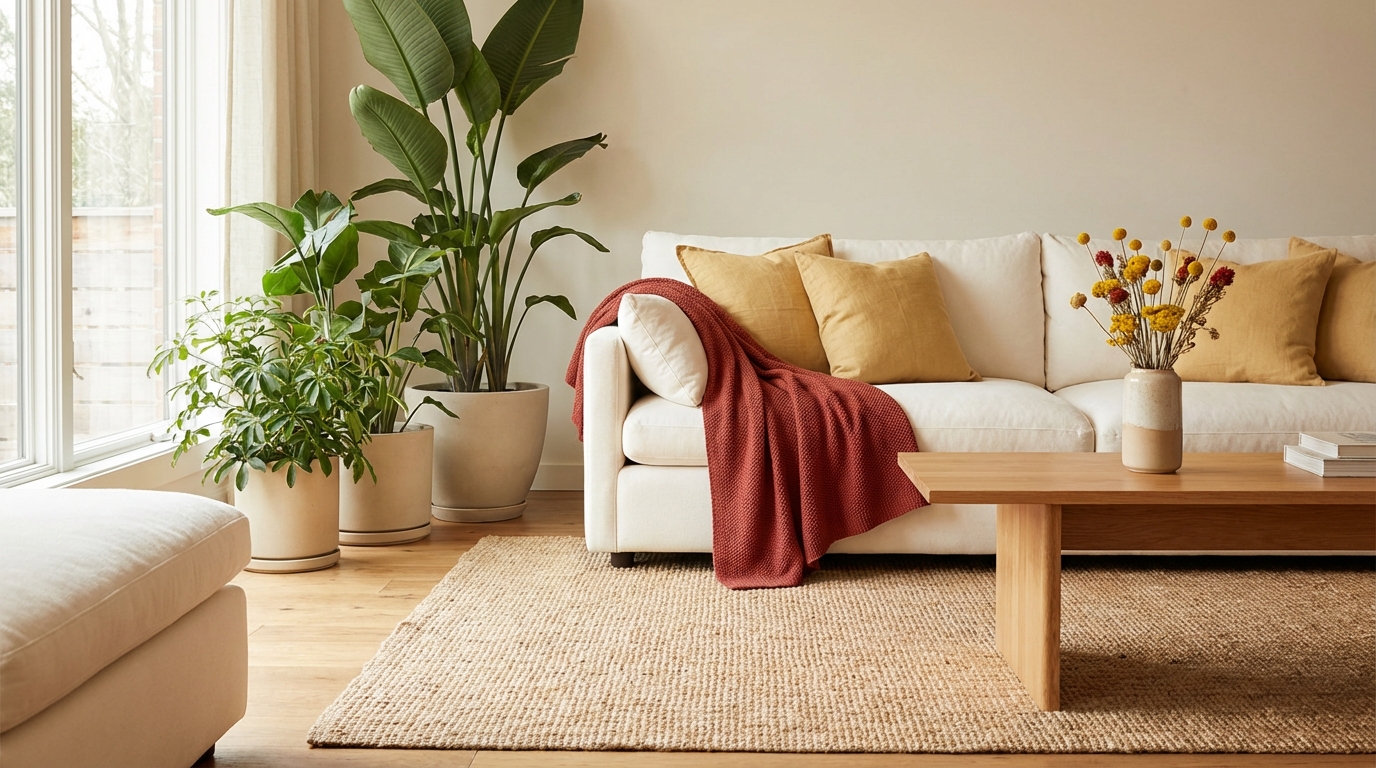
Sometimes it feels like our homes are working against us instead of giving us the calm, healing space we need. When a loved one keeps sneezing, wheezing, or waking up with headaches, it is easy to feel worried and even a bit guilty, as if we should somehow be able to fix the air they breathe and the fabrics that touch their skin.
If you are caring for someone with allergies, asthma, or sensitive skin, the short answer is: yes, we can make a big difference by choosing gentler, eco-friendly materials. That usually means natural, low-chemical options like solid wood, untreated or organic cotton, wool, bamboo, cork, and low-VOC paints and finishes. They can reduce common triggers such as dust, off-gassing from plastics, and harsh cleaning chemicals, while also being kinder to the planet.
We will walk slowly through each part of the home so you can see where to start, what to change first, and what might be worth waiting on. You do not need to do everything at once. Small, thoughtful steps still bring real relief, and we are in this together.
A hypoallergenic, eco-friendly home is less about perfection and more about reducing the everyday “load” on the body from dust, chemicals, and moisture.
What “Hypoallergenic” Really Means At Home
Hypoallergenic vs. Allergen-Free
Many of us see the word “hypoallergenic” on labels and hope it means “no reactions at all.” In real life, it usually means something more modest.
- Hypoallergenic: The item is less likely to trigger allergies or irritation for most people.
- Allergen-free: Claims to exclude certain known allergens, but this can be hard to prove in daily life.
- Eco-friendly: Made with materials and processes that reduce harm to the environment and often reduce chemical use.
When we combine “hypoallergenic” and “eco-friendly,” we are usually looking for:
- Materials with fewer synthetic chemicals and finishes
- Low or zero VOC (volatile organic compound) emissions
- Surfaces that do not trap dust, mold, or pet dander easily
- Items that do not break down quickly into fine particles that get into the air
For sensitive people, lowering exposure from many small sources often helps more than focusing on one single “perfect” product.
Common Home Allergens And Irritants
Before we decide on materials, it helps to know what we are trying to reduce:
| Source | Typical Irritants | Where They Show Up |
|---|---|---|
| Dust and dust mites | Proteins from mite droppings | Mattresses, pillows, carpets, soft furniture, curtains |
| Mold and moisture | Mold spores, musty byproducts | Bathrooms, basements, kitchens, poorly ventilated rooms |
| Chemicals (VOCs) | Fumes from glues, paints, foams, plastics | New furniture, flooring, paint, cleaning products |
| Pet dander | Proteins from skin, saliva, urine | Upholstery, rugs, bedding, clothing |
| Pollen and outdoor irritants | Pollen grains, combustion particles | Blown in through windows, carried on clothing and pets |
Eco-friendly, hypoallergenic materials support us by:
- Off-gassing fewer chemicals into the air
- Being smoother or easier to clean, so they trap less dust and dander
- Helping control moisture instead of holding onto it
Guiding Principles For Choosing Eco-Friendly, Hypoallergenic Materials
1. Choose Low-VOC And Natural Over Synthetic When You Can
Volatile organic compounds (VOCs) are chemicals that evaporate into the air from:
- Paints, varnishes, and sealers
- Adhesives and glues
- Foam cushions and mattresses
- Vinyl flooring and some plastics
People with asthma, chemical sensitivities, or migraines can be extremely sensitive to these fumes.
You might find it helpful to:
- Seek products labeled “low-VOC” or “zero-VOC” paint and finishes
- Favor solid wood over composite boards with heavy adhesives
- Choose natural latex or high-density, low-emission foams if latex is not tolerated
Any time you bring something new into the home that has a smell, try to air it out in a garage, spare room, or outdoors before regular use.
2. Prefer Solid, Smooth Surfaces Instead Of Deep, Plush Ones
Deep carpets, heavy drapes, and thick upholstered furniture can feel cozy, but they hold dust, mites, and dander. For someone with allergies, simpler surfaces are often kinder.
Good options include:
- Hard flooring like wood, bamboo, cork, or tile
- Flat-weave, washable rugs instead of wall-to-wall carpeting
- Furniture with removable, washable covers
- Smooth blinds instead of thick fabric curtains
3. Watch For Moisture And Mold
Materials that stay damp or do not dry quickly can harbor mold. This is a concern in bathrooms, basements, and around windows.
Supporting materials:
- Ceramic or porcelain tile in wet zones
- Water-resistant wall finishes where splashes happen
- Mold-resistant grout and caulk used correctly
Hypoallergenic living is not just about what we bring in, but how everything dries out and breathes.
4. Support The Planet While Protecting Health
Eco-friendly choices focus on:
- Renewable materials (like bamboo, cork, wool)
- Products grown or made with fewer pesticides and harsh chemicals
- Recyclable or biodegradable materials where possible
When we choose these, we often reduce chemical exposure for our loved ones at the same time.
What is good for the environment often ends up kinder to lungs, skin, and long-term health.
Eco-Friendly, Hypoallergenic Materials For Floors
Flooring affects allergies more than many people realize, because it traps so much dust and dander.
Better Flooring Choices
- Solid hardwood (finished with low-VOC products)
- Easy to clean and does not harbor as many allergens as carpet
- Can last for decades if cared for properly
- Bamboo
- Fast-growing, renewable material
- Hard, smooth surface that is simple to sweep and mop
- Cork
- Soft underfoot and naturally resistant to mold and insects
- Good for people who need a bit of cushioning to prevent falls
- Tile (ceramic or porcelain)
- Does not hold dust or allergens
- Excellent in bathrooms and kitchens where water is present
Materials To Approach Carefully
- Wall-to-wall carpet
- Trap for dust, mites, and pet dander
- Even “hypoallergenic” carpet still needs frequent deep cleaning
- Vinyl flooring
- Can off-gas chemicals for months or longer
- Made from plastics that are less friendly to the environment
- Laminates with heavy adhesives
- Often contain glues and resins that emit VOCs
- Edges can chip and create fine dust
If replacing all flooring is not realistic, it is still helpful to:
- Use flat-weave, washable rugs instead of shag rugs
- Vacuum with a HEPA-filter vacuum at least weekly
- Focus on the bedroom first, since we spend many hours there
Eco-Friendly, Hypoallergenic Choices For Walls And Paint
Walls surround us day and night, and fresh paint can be a hidden trigger for people with breathing problems or chemical sensitivities.
Low-VOC And Natural Paints
Many paint brands now offer:
- Zero-VOC or low-VOC paints that release fewer fumes
- Natural or mineral-based paints using clay, lime, or casein
When painting a room for a sensitive person:
- Keep doors and windows open for ventilation during and after painting
- Allow extra time for the room to air out before sleeping there
- Use gentle cleaners on walls rather than strong chemical sprays
Wall Coverings
Some wallpapers and wall panels contain vinyl or heavy glues that can emit VOCs. For a hypoallergenic, eco-friendly space, many caregivers prefer:
- Low-VOC paint on smooth, washable walls
- If wallpaper is needed, choosing paper-based options with low-toxicity adhesives
If a fresh paint smell lingers for weeks, that is a sign that sensitive lungs may also be struggling with it.
Eco-Friendly, Hypoallergenic Furniture Materials
Furniture touches skin, holds our bodies, and surrounds us in shared spaces. The materials inside and around it matter more than most labels admit.
Better Furniture Materials
- Solid wood furniture
- Look for pieces with low-VOC finishes
- Avoid thick lacquer coats with strong odors
- Certified sustainable wood or bamboo
- Supports responsible forestry
- Often works well with natural finishes like wax or oil
- Metal frames
- Bed frames, table legs, shelving that do not harbor dust mites
- Easy to wipe down
What To Watch For
Many modern furniture pieces use composite wood boards, particle board, or plywood with glues that release formaldehyde and other VOCs.
If you already have these in your home:
- Keep rooms well ventilated, especially when furniture is new
- Use low-VOC sealers to cover exposed edges or cut surfaces
- Place the most natural, low-VOC items in the bedroom first
Upholstery And Cushion Materials
Inside cushions and mattresses, there are usually:
- Polyurethane foam
- Natural latex
- Feathers or down
- Polyester fiberfill
- Natural fibers like wool or cotton
From a hypoallergenic, eco-friendly view:
- Natural latex can be a good choice for many, but it is not suitable for people with latex allergies.
- Wool is naturally flame resistant and helps with moisture, but some people itch from direct contact.
- Down and feathers are cozy, but can trigger allergies and may harbor mites.
- Polyurethane foam can off-gas chemicals, especially when new or low quality.
For seating and mattresses, many caregivers feel more comfortable with:
- Organic or natural latex cores when latex is safe
- Wool or cotton padding rather than synthetic batting
- Removable, washable covers that can be laundered often
When you cannot change what is inside the furniture, focus on putting a gentle, washable barrier between it and your loved one.
Eco-Friendly, Hypoallergenic Bedding And Textiles
The bed is where sensitive skin and airways spend many hours, so material choices here can bring some of the quickest and most noticeable relief.
Sheets, Pillowcases, And Duvet Covers
Look for:
- Organic cotton
- Grown without many of the pesticides used on conventional cotton
- Soft, breathable, and washable on hot cycles
- Bamboo viscose or lyocell (carefully sourced)
- Very soft and breathable
- Choose brands that explain their manufacturing process and avoid harsh chemicals
- Linen
- Made from flax, strong and long lasting
- Breathable and good for warm climates or night sweats
Try to avoid:
- Strong fabric finishes like “wrinkle-free” or “stain-resistant,” which often involve chemicals
- Heavily scented detergents and fabric softeners that linger in the fibers
Hypoallergenic living often means favoring simple, natural fabrics washed frequently in gentle, fragrance-free detergent.
Mattress And Pillow Protectors
Dust mites love mattresses and pillows because they offer warmth, moisture, and skin flakes to eat. Protective covers help a great deal.
Better protector features:
- Tightly woven fabrics that block mites but allow air flow
- No crackly plastic feel that can cause sweating and irritation
- Certified for low chemical emissions when possible
You might find it helpful to:
- Encase the mattress and all pillows fully with zipper covers
- Wash pillow protectors every 1 to 2 weeks
- Wash mattress protectors every 1 to 3 months or when soiled
Blankets, Comforters, And Throws
Better choices:
- Organic cotton blankets
- Wool blankets for those who are not itchy from wool
- Down-alternative comforters made with quality synthetic fill, in a tightly woven outer shell
Caution with:
- Down and feather bedding due to allergy risk
- Heavy acrylic or mystery-fiber throws that can shed microfibers and carry strong dyes or chemical finishes
Hypoallergenic, Eco-Friendly Window Treatments
Windows affect both light and air. Curtains and blinds can either trap allergens or help reduce them.
Better Window Materials
- Wood or metal blinds
- Easy to wipe down with a damp cloth
- Do not hold onto dust as much as thick drapes
- Organic cotton or linen curtains
- Simple to wash on hot cycles to remove dust and pollen
- Skip heavy linings treated with chemicals when possible
If you already have thick drapes, it can still help to:
- Vacuum them regularly with a soft brush attachment
- Wash or dry clean them on a seasonal basis
Eco-Friendly, Hypoallergenic Cleaning Supplies
Even with the best materials, harsh cleaners can irritate airways, eyes, and skin. Many caregivers notice that a smaller set of gentle cleaning products is easier on everyone.
Basic Eco-Friendly Cleaning Ingredients
Common, simpler options include:
- Mild, fragrance-free dish soap
- White vinegar (for glass, light limescale, and some surfaces)
- Baking soda (for gentle scrubbing)
- Hydrogen peroxide (for some disinfection tasks)
- Microfiber cloths or cotton rags
Many store-bought “green” cleaners are available, but labels can still hide strong fragrances. For very sensitive family members:
- Favor unscented products
- Avoid aerosol sprays that fill the air with fine particles
- Test new products in a small area or on a day when the person can be away from home
If a cleaner smells strong enough to sting the nose or eyes, it is likely too harsh for a hypoallergenic living space, even if it is labeled natural.
Air Quality Support: Filters, Plants, And Ventilation
Materials are one piece. The air that moves through the home is just as important for a truly hypoallergenic space.
Mechanical Filtration
Helpful tools:
- HEPA air purifiers in bedrooms and main living areas
- Furnace or HVAC filters with higher MERV ratings that your system can handle
For caregiving situations where asthma or severe allergies are present, many families focus first on:
- A HEPA purifier in the sleeping area
- Sealing gaps around doors and windows to reduce outdoor pollen and pollution
Houseplants: Helpful Or Not?
There is a common belief that plants clean indoor air fully. In normal homes, the effect is usually modest. At the same time, plants can support well-being, humidity, and a sense of calm.
For hypoallergenic settings:
- Choose plants that do not drop a lot of pollen or shed many leaves
- Use soil mixes that drain well to reduce mold growth
- Keep the number of plants modest in bedrooms if there is mold sensitivity
If someone reacts to mold easily, it might be kinder to keep plants mostly in well-ventilated common areas.
Room-By-Room Guide To Eco-Friendly, Hypoallergenic Materials
Sometimes it helps to think in terms of rooms rather than material types. Here is a calm, practical way to look at each main space.
Bedroom
This is usually the first room we change, because of how many hours are spent here.
Better choices:
- Hard flooring with a small, washable rug near the bed
- Solid wood or metal bed frame with low-VOC finish
- Mattress with low chemical emissions, plus full mattress and pillow encasements
- Organic cotton or linen bedding, washed weekly in hot water
- Simple, washable curtains or blinds
Extra support:
- HEPA air purifier running regularly
- No scented candles, incense, or room sprays
- Limit stuffed toys in a child’s room, or wash them frequently
Living Room
The living room often holds soft furniture, electronics, and shared air.
Materials to choose:
- Sofa with removable, washable covers in natural fabrics
- Chairs and ottomans that are easy to vacuum underneath and behind
- Coffee tables and side tables made from solid wood, bamboo, or metal
- Flat-weave or low-pile rugs that can be taken outside and beaten or washed
If you are caring for someone with mobility issues, cork or soft wood floors can provide some cushioning while staying easy to clean.
Kitchen
In the kitchen, we balance moisture control, food safety, and chemical exposure.
Better material choices:
- Ceramic or porcelain tile, or sealed wood or cork flooring
- Solid surface or natural stone counters sealed with low-VOC sealers
- Cabinetry with low-emission finishes or solid wood frames
To support hypoallergenic living:
- Use a vent hood that actually vents outside if possible
- Avoid scented dish soaps and strong oven cleaners used often
- Air out the kitchen during high-heat cooking to reduce indoor pollutants
Bathroom
Bathrooms are mold hot spots, so material choices need to consider moisture first.
Better materials:
- Ceramic or porcelain tile with well-maintained grout
- Mold-resistant caulk where fixtures meet tile
- Showers with glass doors instead of fabric curtains, if safe and practical
If a fabric shower curtain is needed, an uncoated cotton or polyester liner that can be washed frequently is usually easier than vinyl, which can off-gas.
Basement Or Laundry Room
Basements and laundry spaces often have concrete, stored items, and extra moisture.
Helpful steps:
- Use low-VOC sealers on concrete floors or choose tile
- Store items in sealed plastic bins rather than cardboard that can mold
- Run a dehumidifier to keep humidity in a healthy range
- Use unscented laundry detergents and skip dryer sheets when possible
A dehumidifier can be as meaningful as any single “hypoallergenic” product when you are fighting mold and dust mites.
Balancing Cost, Care Needs, And Sensitivities
Many families feel overwhelmed by the cost of eco-friendly products or the thought of replacing many items at once. It is completely reasonable to move slowly and prioritize.
Where To Start First
If you need to take small steps, this sequence often helps:
- Bedding and mattress protectors in the main sleeper’s room
- Cleaning products that are fragrance-free and gentle
- Paint and flooring in the bedroom, when replacement is already planned
- Key furniture pieces like the main bed, sofa, or favorite chair
Big, sudden changes are not always possible. Steady, thoughtful adjustments are enough to steadily lower the allergen and chemical burden in the home.
Being Honest About Trade-Offs
Sometimes a product is both eco-friendly and hypoallergenic, and sometimes we have to choose between two good but imperfect options. For example:
| Choice | Eco-friendly Side | Hypoallergenic Side |
|---|---|---|
| Wool blanket | Natural, renewable fiber | Great for moisture and warmth, but itchy or irritating for some |
| Synthetic down-alternative comforter | Not natural, made from petroleum sources | Can be fully washable and non-allergenic for many people |
| Bamboo flooring | Fast-growing and renewable | Needs adhesives; quality and emissions vary by brand |
It is wise to read beyond marketing claims, look into independent certifications when possible, and listen carefully to the person living in the space. If a very “green” material causes rash or headaches, it is not the right fit, even if the label looks perfect.
Helpful Certifications And Labels To Look For
While labels are not everything, a few can make your choices a bit easier.
Common Health And Eco Labels
- GOTS (Global Organic Textile Standard) for organic textiles like cotton and wool
- OEKO-TEX Standard 100 for textiles tested for harmful substances
- Greenguard or Greenguard Gold for low-chemical emissions in furniture, mattresses, and building materials
- FSC (Forest Stewardship Council) for wood products from responsibly managed forests
These labels are not perfect guarantees, but they signal at least some careful oversight and testing.
Listening To The Person Who Lives In The Space
Every body is different. Some people react strongly to wool, while others find it soothing. Some cannot tolerate even mild scents, while others manage well. Caregiving around hypoallergenic living means a lot of patient listening and gentle experimenting.
You might find it helpful to:
- Change one major item at a time so you can see what truly helps
- Keep a simple log of symptoms as you make changes (sleep, breathing, rashes, headaches)
- Involve the person in choosing fabrics and materials when possible, so they feel some control
Building an eco-friendly, hypoallergenic space is an ongoing process. There is no single perfect checklist, and there will be compromises along the way. What matters is that we keep moving toward a home where breathing feels easier, rest comes more naturally, and the materials around us support health instead of undermining it.
We do not have to create a flawless home. We only need to create one that is kinder to the bodies and the planet we care for, step by step.