
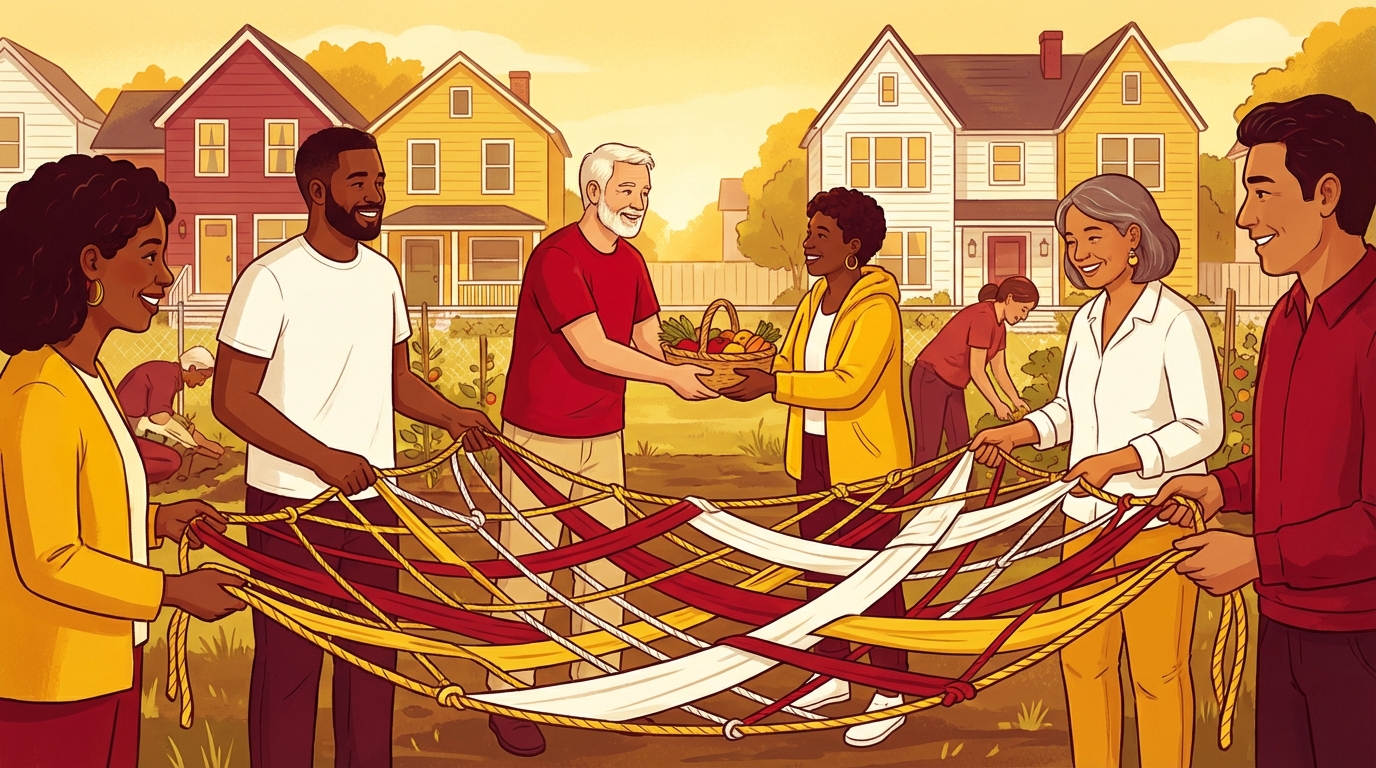
It is not easy to feel like you are carrying everything on your own. Many of us reach a point where we look around and think, “If something happened to me or to the people I care for, who would step in?” That quiet fear can sit in the background of our days, especially when we are caring for children, older adults, or anyone with health challenges.
The gentle truth is that a safety net already exists in many neighborhoods, but it is often quiet, unorganized, and hidden. By getting to know the people around us, trading small favors, and talking openly about safety and care, we can turn a loose group of neighbors into a real support system. You do not have to build a formal program or a perfect plan. Small, steady steps can create a community where no one has to struggle alone.
Why Community Safety Nets Matter So Much
Before we list ideas and steps, it can help to pause and name why this matters, both for us and for the people around us. Caregiving, home accessibility, and health needs often come with worry about “what if” moments. A community safety net gives us people to call when:
- We have a medical emergency or a sudden health change.
- We are exhausted from caregiving and need a short break.
- We need help with a task that has become hard, such as shoveling snow or reaching a high shelf.
- We feel lonely and need someone to talk to.
- We are concerned about an older adult or disabled neighbor who lives alone.
A strong safety net is not just about crisis response. It is also about everyday kindness that keeps stress from building to a breaking point.
A community safety net is simply neighbors who know each other well enough to notice, to check in, and to respond when something is not right.
Understanding What a “Community Safety Net” Really Is
Many people hear “safety net” and think of social services, charities, or government programs. Those are important, but what we are talking about here is something closer to home.
Everyday Care vs. Emergency Care
It can help to see the safety net as having two layers:
| Layer | What it looks like | How neighbors help |
|---|---|---|
| Everyday care | Small, regular acts that make life easier and safer. | Grocery runs, rides to appointments, checking mail, sharing meals, quick check-ins. |
| Emergency care | Support when something urgent or serious happens. | Calling 911, staying with children, guiding paramedics, contacting family, temporary shelter. |
We often focus on emergencies, but everyday care is what keeps problems from turning into crises. A neighbor who notices mail piling up or lights that never come on might prevent a tragic situation simply by knocking on the door or making a call.
When we care for daily needs together, emergencies feel less terrifying because we already know who we can call and how to reach them.
Who Needs a Safety Net Most
Every person benefits from supportive neighbors, but some of us rely on it more heavily:
- Older adults, especially those living alone.
- People with disabilities or chronic health conditions.
- Family caregivers who are stretched thin.
- Single parents or parents with very young children.
- Neighbors with limited transportation or low income.
- New neighbors who do not yet know anyone locally.
In many neighborhoods, these groups overlap. A grandparent raising grandchildren might be caring for both age and health needs at the same time. When we build a safety net around the people with the most risk, the whole community becomes stronger.
Start Small: Getting to Know the People Around You
Every strong community network starts with something very simple: people learning each other’s names and stories. This can feel awkward at first, especially if we are shy, tired, or have had bad experiences before. It is normal to feel nervous about knocking on a door or starting a conversation.
Gentle Ways to Break the Ice
You might find it helpful to start with small, low-pressure steps:
- Say hello more often in shared spaces, such as elevators, hallways, or sidewalks.
- Offer a brief introduction: “Hi, I am Sam, I live in the blue house on the corner.”
- Notice little things and use them to start talking, such as a garden, a pet, or holiday decorations.
- Bring a small welcome note to new neighbors with your first name and a phone number.
- If you feel comfortable, share one small fact, such as “I care for my mom who uses a wheelchair, so I am home most days in the afternoon.”
We do not need to become best friends with every neighbor. A simple, warm relationship is enough to build trust and open the door to helping each other.
Creating a Simple Contact List
After a few conversations, a natural next step is a neighborhood contact list. This can be as basic or as organized as your group prefers.
Here is one approach that many caregivers find manageable:
| Information | Why it matters |
|---|---|
| Names and addresses | Helps neighbors know who lives where and who to ask for. |
| Phone numbers | Allows quick calls or texts in an emergency or for small favors. |
| Preferred contact times | Respects sleep schedules, caregiving routines, and work hours. |
| Special notes (if people wish to share) | Mobility concerns, medical devices, pets, or who to call in a crisis. |
You might post a simple note in a shared area or group chat saying something like:
“We are putting together a simple neighbor contact list so we can look out for each other, especially older adults and caregivers. If you would like to join, send me your name, address, phone number, and any notes you want neighbors to know for emergencies.”
No one should feel pressured to share more than they are comfortable sharing. Some neighbors may only want to share a phone number, and that is still helpful.
Building Trust: Respect, Privacy, and Clear Boundaries
Safety does not exist without trust. Many people have had their privacy ignored or their limits crossed, so they naturally pull back. If we want a caring neighborhood, we have to show that we will treat each other gently and with respect.
Respecting Privacy
A safety net is not about watching each other in a heavy or intrusive way. It is about being reachable and responsive.
Ways to respect privacy:
- Ask before sharing a neighbor’s information with others.
- Keep medical details private unless someone says clearly that you can share them.
- Use blinds or curtains to give people visual privacy and avoid “peeking” behavior.
- Avoid gossip about neighbors, especially about health or family troubles.
- If someone seems withdrawn, offer support, not pressure: “I am here if you ever need anything.”
Setting Gentle Boundaries
Sometimes people worry that if they join a community effort, they will be overwhelmed with requests. It is healthy to set limits and say what you can and cannot do.
You might say:
- “I can check on Mrs. Lee twice a week, but I am not able to come every day.”
- “I can offer rides on weekends, but weekdays are hard for me.”
- “I am not comfortable lifting, but I can sit with someone while you run an errand.”
Clear, calm limits are an act of care. They make it easier for everyone to ask for help without worrying that they are asking for too much.
Practical Ways Neighbors Can Support Each Other
Once relationships and trust start to grow, the question becomes, “What can we actually do for each other?” Many powerful supports are simple and do not cost money.
Helping With Caregiving and Daily Tasks
Caregivers often feel that no one understands how tired they are. Neighbors cannot replace professional care, but they can lighten the load.
Some ideas:
- Short check-ins: Knock on the door or send a text every few days to ask, “How are you holding up?”
- Meal support: Organize a rotating meal schedule when someone is recovering from surgery, a fall, or a hospital stay.
- Quick errands: Pick up prescriptions or groceries along with your own.
- Household tasks: Help with trash bins, light yard work, or snow removal for those with mobility challenges.
- Caregiver breaks: Sit with an older adult or child for an hour so the caregiver can shower, nap, or walk.
If health or safety concerns are involved, caregivers can share specific instructions, such as:
| Need | What the neighbor should know |
|---|---|
| Medication | Whether they are expected to give any medication, or that medication is off-limits. |
| Mobility support | Safe ways to assist, or a clear note that lifting is not expected. |
| Behavior changes | Signs of confusion, pain, or distress that mean they should call the caregiver or 911. |
Home Accessibility and Safety Checks
Neighbors can gently help make homes safer, especially for older adults or anyone with a disability. This does not need to be complicated.
Possibilities include:
- Helping move rugs, cords, or clutter that might cause a fall.
- Checking that outdoor steps have sturdy railings and good lighting.
- Noticing if a wheelchair ramp is icy, blocked, or damaged.
- Helping install grab bars, night lights, or non-slip mats if the person asks for help.
- Looking at pathways from the street or parking area to the door to see if they are accessible.
If you are unsure how to suggest changes, you might say:
“I noticed the front steps are a little dark at night. Would it be helpful if we looked at a low-cost light for the porch together?”
Sometimes local nonprofits, faith communities, or volunteer groups have programs that help with ramps, grab bars, or small repairs. A neighbor who enjoys making calls or searching online can help connect people to those resources.
Planning For Emergencies Together
Emergencies feel less frightening when we have a simple, shared plan. We cannot predict every situation, but we can prepare for common ones like medical events, falls, fires, storms, or power outages.
Creating a Block or Building Emergency Plan
You might gather a few neighbors and talk calmly through these questions:
- Who on our block is older, disabled, or frail and might need extra help in a fire or storm?
- Who knows basic first aid or CPR and is willing to be listed as a resource?
- Who has reliable transportation and could offer rides if needed?
- Do we have neighbors who speak multiple languages who can help with communication?
- Where will we meet if our building or street is not safe to stay in?
From this conversation, you can create a simple emergency plan document. It might include:
| Section | What to include |
|---|---|
| Emergency numbers | Local police, fire, ambulance, poison control, building management. |
| Neighbors with special needs | Names, apartment/house numbers, notes such as “uses oxygen,” “hard of hearing,” “uses wheelchair.” |
| Helpers | Neighbors who can assist with calls, translation, rides, or physical help. |
| Meeting point | A safe location such as a corner, parking lot, or nearby park. |
Keep copies of this plan in shared spaces or in a digital group if everyone agrees.
Household Emergency Cards
For households that include older adults, people with disabilities, or chronic health conditions, it can be reassuring to have a simple card or sheet posted on the fridge or near the door. With permission, a neighbor can know where that card is and use it if they need to call for help.
This card might include:
- Name and date of birth of the person with health needs.
- Allergies and current medications.
- Key medical conditions (for example: diabetes, heart failure, epilepsy).
- Emergency contacts, including family, friends, or doctors.
- Preferred hospital, if there is one.
A simple, clear card can save precious minutes in a crisis and helps neighbors feel more confident when they call for help.
Communication Tools: Staying Connected Without Overload
Neighbor groups often struggle to stay in touch without creating too much noise or confusion. A balance between simple tools and regular in-person contact usually works best.
Choosing How You Communicate
Some options that many communities use:
- Printed phone tree: A list of neighbors with phone numbers and a simple plan for who calls whom in an emergency.
- Group text or messaging app: Works well for small blocks or buildings, especially for quick updates.
- Email list: Better for longer updates, community notes, or planning meetings.
- Bulletin board: A hallway board, mailroom wall, or shared space where people can post notices or requests for help.
It might help to decide as a group:
- Which channel is for emergency alerts.
- Which is for daily chat, sharing resources, or social events.
- What times of day are acceptable for messages, so people are not bothered late at night without good reason.
Communicating Clearly During a Crisis
In stressful moments, clear and calm words matter. Here are some patterns that can help:
- “I am calling 911 for Apartment 3B, older man, chest pain.”
- “We need two people to meet the ambulance at the front door.”
- “Power is out on our block. Does anyone need help with medical equipment?”
- “Storm warning for tonight. Who needs help moving outdoor items or checking windows?”
You might choose one or two neighbors who feel comfortable acting as communication points, so information does not become confusing or doubled.
Supporting Mental Health and Emotional Wellbeing
A community safety net is not only about physical safety. Emotional support is just as valuable, especially for caregivers, older adults, and people facing health worries or grief.
Breaking Isolation Gently
Loneliness can be very painful, and some neighbors may hide it behind a polite smile. Regular, kind contact can soften that loneliness.
Simple practices:
- Invite neighbors for short doorstep conversations or brief visits.
- Offer to share a cup of tea or coffee once in a while.
- Start small gatherings, such as a monthly porch chat, hallway meeting, or shared walk.
- Encourage checking in after hospital stays, losses, or difficult life events.
We cannot fix every emotional struggle, but we can make sure that no one faces it completely alone.
Knowing When Professional Help Is Needed
Neighbors should not carry the role of therapist or counselor. Sometimes the kindest step is to help someone reach professional support.
Signs that someone might need more help:
- Talking about wanting to give up or not wanting to live.
- Serious changes in behavior, such as not leaving the house, not eating, or neglecting personal care.
- Ongoing heavy drinking or drug use that affects daily life.
- Uncontrolled anger that feels unsafe.
In these cases, you might:
- Gently encourage them to speak to a doctor, counselor, or crisis line.
- Offer to sit with them while they make a call.
- If there is an immediate danger to them or others, call emergency services.
Caretaking for someone’s emotional health in the neighborhood is about offering presence, not taking on responsibility for every outcome.
Involving Local Groups and Services
A neighborhood safety net is stronger when it connects with larger supports. You do not need to do everything yourselves. Nearby organizations, faith communities, and health services can fill in the gaps.
Mapping Local Resources
A helpful group activity is to create a simple “resource map” for your area. This might include:
- Local clinics, hospitals, and urgent care centers.
- Senior centers or aging services offices.
- Disability support organizations.
- Food banks or meal programs.
- Home repair and accessibility programs.
- Mental health hotlines and counseling centers.
- Community centers and libraries.
You can keep this information:
- Printed and posted on a bulletin board.
- Shared as a simple one-page handout.
- Saved in a shared folder or messaging group.
Partnering With Existing Programs
Many areas have programs like “senior check-in calls,” “neighbor watch,” or “friendly visitor” volunteers. A neighbor who feels comfortable with phone calls or online forms can:
- Contact these programs to learn what they offer.
- Share information with neighbors who might benefit.
- Help someone sign up if they feel confused or overwhelmed by forms.
We do not have to reinvent what already exists. Our strength is often in connecting the people on our block to help that is already available.
Including Everyone: Accessibility and Cultural Respect
A true community safety net includes neighbors of all ages, backgrounds, languages, and abilities. This takes intention and gentle attention, but it is possible.
Accessibility in Community Activities
When organizing any gathering or plan, you might ask:
- Can someone using a wheelchair, walker, or cane move safely to and through this space?
- Are there chairs available for people who cannot stand for long?
- Will people with hearing or vision changes be able to participate?
- Is transportation a barrier for anyone who might want to attend?
Simple adjustments can make a big difference:
- Choosing ground-floor spaces or those with elevators.
- Using larger print on flyers and notices.
- Speaking slowly and facing people while talking.
- Offering rides when safe and appropriate.
Respecting Culture, Language, and Beliefs
Neighbors bring different traditions, languages, and beliefs. Respectful curiosity and patience help us avoid assumptions.
Some gentle practices:
- Ask people how they prefer to be addressed, including names and pronouns.
- Be mindful of faith holidays and prayer times when planning events.
- If language is a barrier, use simple words, gestures, and translation apps if available.
- Remember that some cultures have different ways of handling illness, death, or caregiving.
If you are unsure, you might say:
“I want to make sure we support you in a way that respects your traditions. What feels comfortable for you?”
Giving and Receiving Help Without Guilt
Many caregivers and older adults struggle to ask for or accept help. They worry about being a burden or feel they must stay strong. On the other side, some neighbors worry about overstepping.
Normalizing Mutual Support
One way to ease this tension is to frame help as something that flows in both directions, even if it looks different. A person who cannot carry heavy bags might still provide:
- Advice and wisdom from years of experience.
- Emotional support and listening.
- Phone calls or check-ins for others.
- Watching over the street through a window and reporting hazards.
We can gently remind each other:
“All of us need help at some point. Today I help you. Tomorrow it might be me. That is how a community works.”
Language That Makes Help Easier to Accept
Certain phrases feel lighter and less loaded. Instead of saying, “Tell me if you need anything,” which can feel vague, try:
- “I am going to the store later. What can I bring you?”
- “I have an extra half hour this afternoon. Is there a small task I can do for you?”
- “Would it be helpful if I checked in with you tomorrow after your appointment?”
For caregivers, it can be powerful to practice saying:
- “Yes, a short visit would help me a lot today.”
- “Could you sit with my dad for 20 minutes while I shower?”
- “I am feeling overwhelmed. Are you free to talk for a few minutes?”
Keeping the Safety Net Strong Over Time
Energy and interest can fade once the first excitement passes or when life becomes busy. It helps to build rhythms that keep the safety net alive without exhausting anyone.
Simple Rhythms and Traditions
Some communities find it helpful to choose one or two recurring activities:
- A quarterly “neighbor check-in” meeting, in person or online.
- A seasonal event, such as a summer outdoor gathering or winter hot drink night.
- A yearly update to the contact list and emergency plan.
- A rotating “care contact” role, where one person each month keeps an eye on needs and shares information.
These regular touch points remind people that support is available and welcome.
Welcoming New Neighbors Into the Net
Turnover is normal. When people move in or out, the safety net can feel fragile. A simple welcome practice can help:
- Have a small welcome note template with key contacts and brief information about the neighbor group.
- Introduce yourself in person if possible, and share your name and number.
- Invite them to join the contact list or group chat, without pressure.
- Explain calmly that neighbors look out for each other, especially older adults and caregivers.
This lets new residents know that they are part of something supportive, not just isolated in a new place.
When Things Feel Hard or Messy
Community work does not always feel smooth. Personalities clash, misunderstandings happen, and sometimes someone expects more than neighbors can give. It is honest and healthy to recognize that.
Handling Conflict Gently
If tension arises:
- Try to talk directly with the person rather than through others.
- Use calm language: “When X happens, I feel Y. Can we find a different way?”
- Focus on specific actions, not on judging the person.
- Take breaks if emotions run high.
Not every neighbor relationship will feel easy, and that is all right. The safety net does not have to involve everyone at the same depth. It can still function well if a few people step back from certain roles.
Recognizing Limits and Avoiding Burnout
Sometimes, natural helpers in a community begin to feel worn out. They may be the ones everyone calls, without enough rest or support themselves.
Signs of burnout:
- Feeling dread when the phone rings.
- Resentment or frustration toward people you usually care about.
- Trouble sleeping, headaches, or ongoing tension.
- Thoughts like “I cannot keep doing this” or “No one else helps.”
If this describes you, it might be time to:
- Share the load by asking others to take on certain tasks.
- Set clearer boundaries about when you are available.
- Reach out for your own support from friends, counselors, or support groups.
A safety net works best when it is shared. One person cannot hold it all.
The Quiet Strength of “Neighbors Helping Neighbors”
When we talk about “neighbors helping neighbors,” we are pointing to something both simple and deep. We are talking about holding each others safety, dignity, and wellbeing in small, everyday ways.
We do this when we:
- Learn each others names and stories.
- Trade small acts of care instead of waiting for emergencies.
- Make homes safer and more accessible together.
- Create clear, calm plans for crises, so no one is left alone in a frightening moment.
- Respect privacy and culture while staying present and available.
- Accept help with as much grace as we offer it.
A community safety net does not appear overnight. It grows every time we choose connection over isolation, and every time we ask, “How can we look out for each other today?”
In caregiving, in aging, in health struggles, and in the daily ups and downs of life, none of us are meant to carry everything alone. Building a safety net with our neighbors is one of the kindest, most practical ways we can make sure that when someone stumbles, there are steady hands nearby to help them stand again.