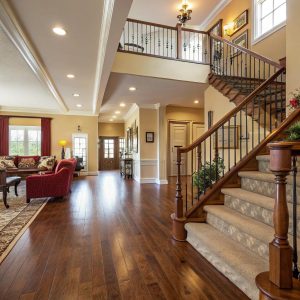
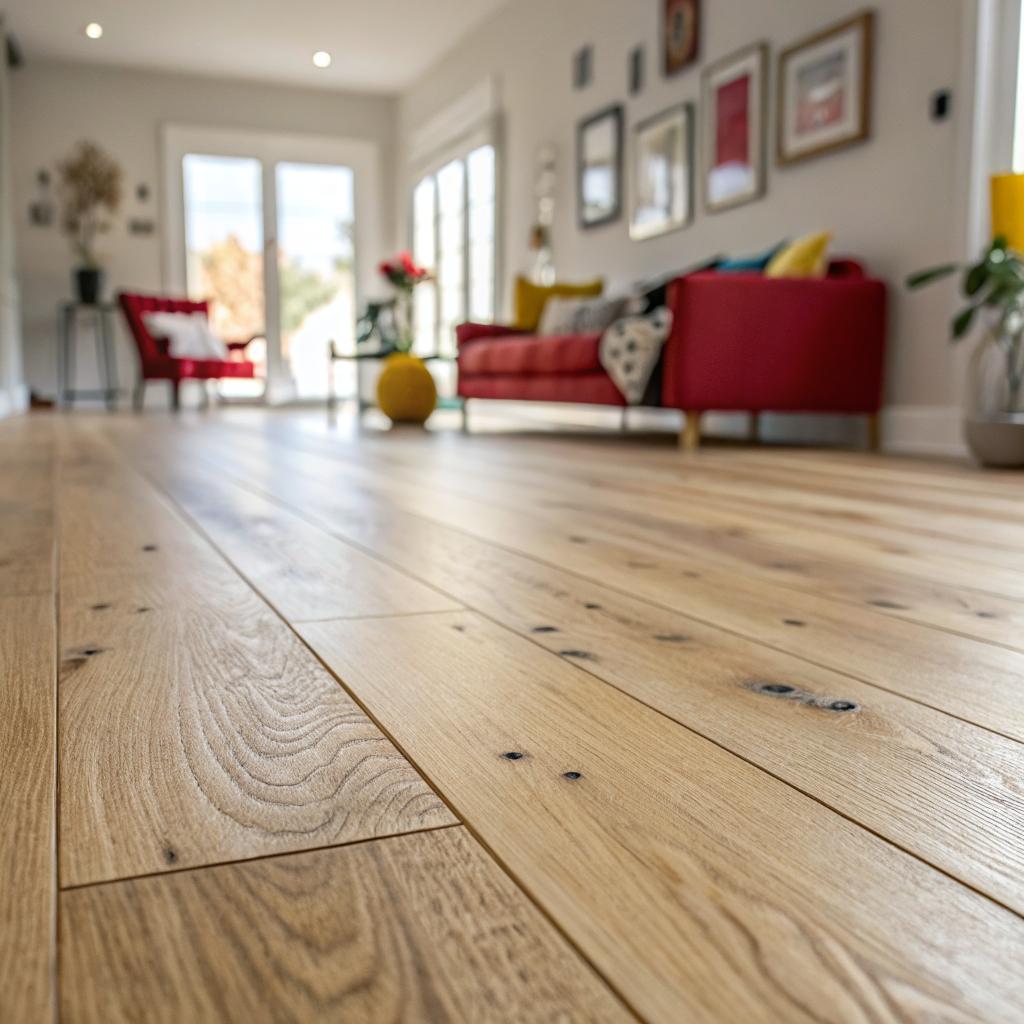
If you are trying to make a home safer and easier to move around in, hardwood can be a smart flooring choice, and Littleton hardwood floors give you a clean, firm, and predictable surface that works well for many people who use walkers, wheelchairs, or just need a bit more stability underfoot.
That is the short version.
The longer version is a bit more mixed. Hardwood is not perfect. It can be slippery, it can scratch, and it needs care. But when you compare it to thick carpet, loose rugs, or tile with wide grout lines, it often makes daily life easier for caregivers and for anyone who wants an accessible home that still feels warm and normal.
If you care for an older parent, a partner with mobility limits, or you are planning ahead for your own future needs, flooring is one of those things that quietly affects every hour of the day. People notice grab bars and stairlifts. Floors just sit there. Until they cause trouble.
Why floors matter so much for safety and accessibility
When someone falls at home, it is often not a dramatic accident. It is a tiny misstep. The edge of a rug. A small bump in the floor. A slippery patch near the sink. So if you look at the house through a caregiving lens, the surface under your feet becomes a priority.
Hardwood flooring helps in a few key ways.
Hard floors reduce trip hazards from deep carpet, ripples, and loose rugs, which can matter a lot for someone who shuffles their feet or uses a walker.
Carpet can feel soft, but for many older adults it is harder to walk on. Feet can drag. Walkers do not glide well. Wheelchairs take more strength to push. Hardwood gives a smoother path. It also makes it easier to see spills, dropped pills, and small items that might cause a slip.
At the same time, the floor should not feel like an ice rink. The goal is a surface that is smooth but not too shiny, firm but not harsh, and consistent from room to room. Hardwood can get close to that balance if you choose the right finish and keep it in good shape.
Hardwood vs carpet vs tile in an accessible home
Caregivers often ask a simple question: what is safest underfoot? There is no single answer, but we can compare the main options.
| Floor type | Pros for accessibility | Cons for accessibility |
|---|---|---|
| Hardwood | Flat, good for walkers and wheelchairs, easy to clean, fewer trip edges | Can be slippery when wet, can scratch, needs maintenance |
| Carpet | Softer if someone falls, quieter, warmer | Can catch toes and walkers, hard to push wheelchairs, collects dust and allergens |
| Tile | Very hard, good for rolling equipment, resists water | Hard impact in a fall, grout lines can catch wheels, often cold, can be very slippery |
| Vinyl / LVP | Good traction, softer underfoot than tile, water resistant | Can dent, may look less traditional, seams can lift if installed poorly |
Personally, if I picture someone using a walker down a hallway, hardwood or good vinyl come to mind as the easier surfaces. Carpet can still work in bedrooms, especially low pile. Tile makes more sense in bathrooms or entries, but with care for slip resistance and transitions.
How Littleton hardwood floors can support aging in place
Many families in Colorado and similar areas talk about “aging in place” without always connecting it to specific choices. Flooring is one of those choices. If you think you will stay in your home for many years, it can be worth planning for your future mobility, even if you feel fine today.
Hardwood gives you a long lasting base that can adapt over time as your needs change, instead of needing replacement every few years.
Here are some ways hardwood can support aging in place and caregiving.
Smoother movement for walkers and wheelchairs
Rolling a wheelchair across thick carpet takes more strength. The same goes for pushing a transport chair or a heavy medical cart. A firm wood floor reduces this effort. For caregivers with back or shoulder strain, that can make transfers and daily routines less tiring.
For walkers, hardwood lets the glides move steadily. There is less risk of a walker leg sinking into carpet or catching on a seam. That smooth feeling can also give the person using the walker more confidence, which can affect their willingness to move around the house.
Cleaner environment for breathing and hygiene
Carpet traps dust, dander, and sometimes moisture. For someone with asthma, COPD, or a weakened immune system, that is not ideal. Hardwood is easier to vacuum and damp mop. You can actually see the dust and spills, then remove them.
If there are accidents, like incontinence or vomiting, cleaning a hardwood floor is usually much simpler than trying to fully clean a carpet pad. In caregiving, that kind of practicality matters more than looks.
Visual contrast and clarity
People with low vision or cognitive decline often do better when floors are consistent in color and pattern. Busy carpets can create visual confusion. Hardwood, especially in calmer tones, helps the brain read the space more easily.
You can also use area rugs in limited, safe ways to create contrast, but these need thought, which we will come back to later.
Choosing the right hardwood for safety
Not all hardwood is the same. The species, finish, width, and color can all affect how safe and practical it feels day to day.
Surface texture and slip resistance
High gloss floors can look nice at first. They also show every footprint and feel more slippery, especially with socks. For an accessible home, a lower sheen level often works better.
Common finish sheens include:
- Matte
- Satin
- Semi gloss
- High gloss
For someone at fall risk, matte or satin are usually safer. They reduce glare from windows and lights, which can also help people with sensitive vision.
Some floors have a light wire brushed texture. This can give a bit more grip without feeling rough. Heavy hand scraped textures can be tricky for wheelchair users, since the wheels may not glide as smoothly, so there is a balance.
If you are choosing finishes with safety in mind, avoid very glossy coatings and pick a surface that feels slightly grippy under socks, not slick.
Plank width and stability
Wider planks are popular in many homes. They can look calm, with fewer seams. They are fine for accessibility in most cases, but you want good installation to avoid cupping or gaps that create small ridges.
Narrower planks give more joints, which can collect dust but also allow the floor to move less per board. In practice, for safety, the quality of installation often matters more than width. Any unevenness or raised boards can catch a shuffling foot.
Color and contrast for low vision
Very dark floors with dark furniture can hide obstacles. Very light floors can reflect a lot of light and look washed out. For someone with vision changes, a medium tone often works best. It makes it easier to see the outline of furniture, pets, and small items.
You might want subtle contrast between the floor and the walls or baseboards, so edges of rooms are easier to spot. Some people even add a slightly different tone at stair landings or thresholds to signal a change in level.
Finishes and maintenance for caregivers
People often think of hardwood as something delicate. That is partly true, but modern finishes are more durable than many expect. The key question for a caregiving household is how much time and energy you will have to maintain the floor.
Site finished vs prefinished
Hardwood can be installed as unfinished wood that is sanded and coated on site, or as prefinished boards that already have the coating from the factory.
| Type | Pros | Cons |
|---|---|---|
| Site finished | Smooth surface, fewer micro bevels, custom stain and sheen options | More on site dust and odor, longer project time |
| Prefinished | Faster install, less on site mess, factory cured finish | Small bevels between boards, may feel less “continuous” |
For accessibility, some people like the feel of a site finished floor because the surface is more level from board to board. Wheelchairs and walkers roll over it very smoothly. Others prefer prefinished to cut down on disruption, especially if the person receiving care is sensitive to noise or smells.
Choosing a finish with safety in mind
There are different types of floor finishes, like oil based polyurethane, water based polyurethane, and hardwax oils. Each behaves a bit differently.
- Water based finishes cure faster and have less odor. They can be better when someone in the home has breathing issues.
- Oil based finishes tend to amber over time, which can warm up the color but also change the contrast you planned at first.
- Hardwax oils give a more natural feel, but might need more frequent care in high traffic areas.
If you are caring for someone with dementia, long cures and strong odors can be quite stressful. Shorter projects with clear instructions and minimal fumes can reduce confusion and agitation.
Planning layout and transitions for safety
A single type of floor in large areas can help someone with mobility limits feel more secure. Every time the surface changes, the brain needs to adjust. For some people that change can trigger hesitation or missteps.
Minimizing thresholds and height changes
If you can, use hardwood through connected spaces like halls, living rooms, and bedrooms. When you do change materials, such as at bathrooms or entries, keep the height difference as small as possible.
- Ask your installer to use flush transitions instead of raised ones where safe.
- Aim for less than half an inch of height change between surfaces.
- Check doorway saddles for any lip that might catch a wheelchair wheel.
I once visited a home where the new bathroom tile was about three quarters of an inch higher than the hall hardwood. A small ridge, but the person with a walker hit it every time. They started avoiding the bathroom. That is the kind of small detail that can change daily life more than a fancy feature.
Stairs and landings
If your home has stairs, hardwood may already be in place. For accessibility, think about:
- Non slip treads or strips that contrast with the stair color
- Good lighting over the steps and landings
- Handrails on both sides where possible
Some families add carpet runners for softness. That can work, but the rug needs to be tightly secured and low pile. Any looseness or thick padding adds risk.
Using area rugs without creating trip hazards
People sometimes feel that wood floors look bare. Rugs can add comfort and help zone spaces. The problem is that rugs can also increase falls, especially when they curl or slide.
If someone in the home has balance issues, treat every rug like a potential obstacle and make a clear choice about whether it earns its place.
Here are a few practical guidelines.
- Avoid small scatter rugs in halls, at sinks, and beside beds. These move too easily.
- If you use a larger rug, anchor at least two sides under furniture so the edges are not floating.
- Use a high quality rug pad designed for hard floors, cut to size so no pad sticks out.
- Pick low pile, flat weave styles instead of thick, plush rugs.
In bathrooms and kitchens, look at non slip mats that grip the floor and have a beveled edge. Test them with the person who is at risk. Watch how they step onto and off the mat. If you see any hesitation, re think the mat.
Cleaning habits that support safety
Hardwood does not like standing water, which can sound at odds with caregiving, since spills and accidents happen. Still, with a few habits, you can protect both the floor and the people walking on it.
Daily and weekly care
- Use a soft broom or a vacuum with a hardwood setting to pick up dust and grit.
- Wipe spills quickly with a slightly damp cloth, then dry the area.
- Avoid wet mops that leave pools of water on the surface.
Some caregivers find that a small cordless stick vacuum is easier to manage around equipment and narrow paths than a large machine. Whatever tool you use, the goal is regular light cleaning rather than heavy scrubbing now and then.
Avoiding slippery residues
Some cleaning products leave a shine that looks nice but feels slick. That can be a problem when someone walks in socks or soft shoes.
- Skip polishes and “gloss” products unless the floor pro who installed the floor recommends them.
- Use cleaners made for hardwood that do not leave a heavy film.
- Test a new product in a small corner before using it across a wide, main walkway.
If you notice anyone start to shuffle more cautiously or comment that an area feels slippery after cleaning, listen to that. It might not be in their head.
Dealing with spills, medical equipment, and real life wear
Caregiving often comes with special challenges like oxygen tanks, IV poles, walkers with tennis balls on the legs, and frequent spills of water or other liquids. Hardwood can handle some of this, but not all of it without planning.
Protecting high traffic and care areas
In places where equipment rolls often, like around a hospital bed or through a main hall, you can add protection that does not feel too clinical.
- Use rigid, clear floor protectors under desk chairs or rolling medical carts.
- Place low profile, non slip mats under oxygen tanks or heavy stands.
- Add felt pads not only under furniture, but also under the feet of portable ramps or transfer boards where they rest on the floor.
Some scratching is going to happen. That is normal. The goal is to reduce deep gouges and protect the finish where heavy loads move every day.
Moisture from bathrooms and kitchens
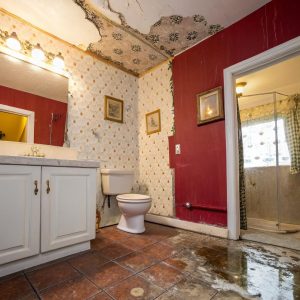
If hardwood continues into a bathroom or kitchen, be very strict about water management.
- Check for drips at sinks and refrigerators.
- Use trays under plants and humidifiers.
- Look at the base of tubs and showers for signs of leaks.
Small mats outside a tub or shower need particular care. If they stay wet, moisture will reach the wood over time. Rotate and dry them regularly, or pick mats that dry fast and grip the floor well.
Refinishing and repairs while someone is living at home
Hardwood can be refreshed instead of replaced, which is a big plus for long term planning. But sanding and coating floors can be disruptive in a home where someone depends on a stable routine.
Planning around health needs
If you are thinking about refinishing:
- Talk with the flooring company about dust control systems and low odor options.
- Consider doing the work in stages so the person receiving care always has access to a safe sleeping and bathroom area.
- Arrange temporary stays with family or at respite care if noise, fumes, or moving furniture would be too hard.
I think this is where many families underestimate the effort. Moving beds, medical devices, and personal items takes time and energy you might not feel you have. It can still be worth it if the floor is in poor shape, but the timing needs thought.
Spot repairs vs full sanding
For smaller issues, you may not need a full refinish.
- Light surface scratches can often be buffed and recoated in a shorter project.
- Deep dents or water damage in a small area may be fixable by replacing just a few boards.
- Color changes from sunlight might be acceptable if the floor is still smooth and safe.
From a safety perspective, smoothness and traction matter more than cosmetic perfection. So as a caregiver, you might pick a finish schedule that favors function over getting everything to look brand new.
Cost, value, and long term thinking
Hardwood is not the cheapest option up front. Some people feel that they should choose the lowest cost surface because there are many other care expenses. That is understandable, but sometimes a slightly higher upfront cost saves money and strain later.
A few points to think about:
- Quality hardwood can last for decades with maintenance, instead of needing replacement every 10 or so years.
- A safer floor may reduce fall risk, which in turn may prevent injuries and hospital stays.
- Hardwood tends to add resale appeal if you or your family ever sell the home.
I would not claim hardwood is always the best investment for every situation. If someone is near the end of life or the care situation is very temporary, large projects may add more stress than benefit. But for long term homes, flooring is one of the few changes you do not have to redo often.
How to think through your own home
Every caregiving situation is different. One person uses a wheelchair full time. Another only needs a cane but has severe vision loss. Someone else is dealing with dementia and gets confused by patterns on the floor.
Instead of looking for one perfect answer, you can walk through your rooms and ask yourself a few questions.
Questions to guide your flooring choices
- Who is using this space most? A caregiver, a child, an older adult, a pet?
- What mobility aids are common here? Walker, cane, wheelchair, no device?
- Where do most trips or slips happen now?
- Are there areas that feel “avoided” because they are hard to reach?
- How much time and energy do you have for cleaning and maintenance?
Then you can think about how hardwood might help or not help in each space. Maybe the hall and living room would benefit from hardwood, while a bedroom keeps a low pile carpet for sound and comfort. Maybe you decide that the kitchen stays vinyl because of constant spills, but you bring hardwood into the dining area.
It does not have to be all or nothing.
Common concerns and honest answers
To wrap this up in a useful way, here are a few questions people often have about hardwood in accessible homes, with direct, practical answers.
Question: Is hardwood too slippery for older adults?
Answer: It can be, especially if the finish is very glossy or if you use cleaning products that add shine. But with a matte or satin finish, sensible cleaning, and no loose rugs, many older adults walk safely on hardwood. Traction is not only about the material, it is about the specific finish, footwear, and habits in the home. Some families also add non slip socks or shoes with good grip to improve safety even more.