
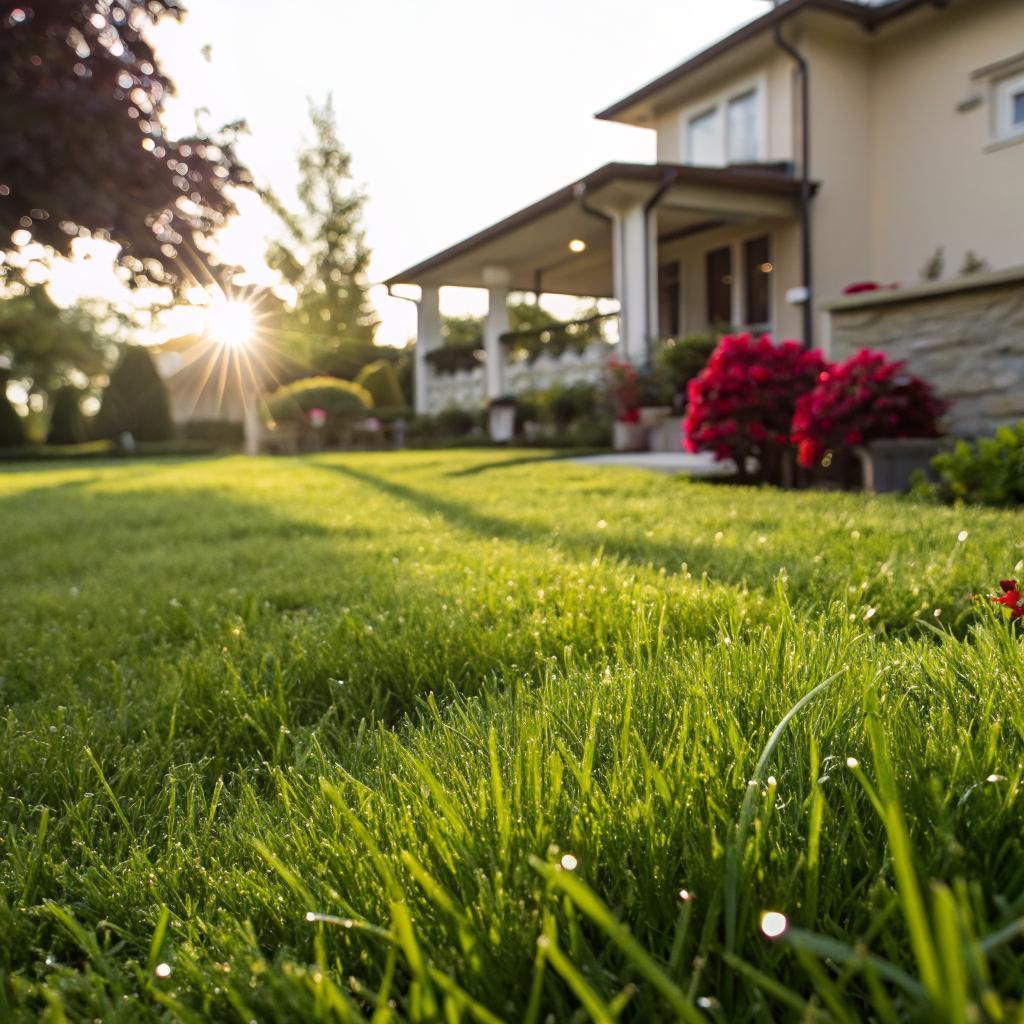
Fertilization is one of the simplest ways to grow a safer, healthier lawn: you feed the soil with the right nutrients, at the right time, and in the right amount, so the grass grows thick, strong, and better able to handle kids, pets, and everyday life. If you do it well, your yard can be softer to walk on, less muddy, and less likely to attract weeds, which actually matters a lot when someone in the home is older, recovering from surgery, or using a walker or wheelchair. Good weed control is not just about looks; it is about comfort and safety around your home.
That is the short version. The longer story is a bit messier, because lawns are not all the same, and families are not all the same either. You might care more about avoiding chemicals for a child with asthma, or you might be focused on keeping paths firm for a parent who is unsteady on their feet. Or both. So I will go through some practical ideas, and you can pick the ones that fit your situation instead of trying to follow a perfect plan.
How lawn fertilization connects to caregiving and home safety
At first, lawn care can feel a little shallow next to caregiving, health routines, and medical appointments. But the yard is part of daily life. People walk across it to reach the car, sit outside to get some fresh air, or watch children play from a porch chair. A neglected lawn can turn into uneven ground, muddy patches, and tripping hazards pretty fast.
I have seen this in my own family. My grandfather had a small backyard that he loved, but after his hip surgery, every dip in the ground felt risky. The odd thing was, the grass still looked green in photos, but it was thin, the soil was compacted, and the surface was bumpy. Once we started feeding the lawn properly and caring for the soil, the surface evened out over a couple of seasons. Walking to the garden chairs felt less like stepping through a field and more like a level path.
A healthy, well fed lawn can support mobility, reduce trips and slips, and make outdoor time less stressful for caregivers and family members.
For someone using a cane, walker, or wheelchair, a dense lawn is not just nice to look at. It can help:
- Keep soil from washing away and creating holes or ruts
- Reduce muddy, slick areas near ramps or patios
- Soften minor stumbles, especially for kids
- Cut down on weeds with thorns or irritating sap
Of course, fertilization alone cannot fix every ground problem. You still need to think about grading, drainage, and hard paths. But feeding the grass well is a helpful piece of the safety puzzle.
Basic lawn science in plain language
You do not need to be a turf expert. There are just a few key parts to understand. Think of them as questions you ask your lawn before you feed it.
What type of grass do you have?
Most home lawns fall into two main groups.
| Grass type | Common examples | Climate | Main growth period |
|---|---|---|---|
| Cool season | Kentucky bluegrass, fescue, ryegrass | Regions with cold winters | Spring and fall |
| Warm season | Bermuda, Zoysia, St. Augustine, Centipede | Warmer regions, mild winters | Late spring through summer |
Why does this matter? Because you want most of the food to reach the grass when it is ready to grow, not when it is resting. If you live where winters are cold, the heavy feeding windows are usually spring and fall. If you are in a hot climate, you focus more on late spring and early summer.
The big three nutrients: N, P, and K
Fertilizer bags have three numbers on the front, such as 20-0-10. They stand for:
- N (Nitrogen) for leaf growth and green color
- P (Phosphorus) for roots
- K (Potassium) for strength and stress tolerance
You can think of nitrogen as the energy for blades, phosphorus for underground support, and potassium for resilience. That is a bit oversimplified, but it works for decisions at home. Many lawns already have enough phosphorus, and some areas even limit it by law, so you often use fertilizers with more N and K and little or no P.
Before adding a lot of fertilizer, it is wise to know what your soil already has. A simple soil test can prevent wasted money and nutrient overload.
Soil tests are not complicated. Your local extension office usually offers kits. You send a small sample, they mail or email results. If you are caring for someone with health concerns, this step is not just about saving money. It also reduces the risk of run-off into drains, which can affect local water and, indirectly, community health.
Choosing safer fertilizer options for your household
Now the part many people worry about: What kind of fertilizer is safe around kids, pets, or someone with health issues? There is no single perfect answer. But there are clear pros and cons.
Organic vs synthetic fertilizers
Labels can confuse anyone. One bag claims to be natural, another says fast results, and a third is something in between. So let us compare in simple terms.
| Type | What it is | Pros | Cons |
|---|---|---|---|
| Organic | Made from plant or animal materials like compost, bone meal, feather meal |
|
|
| Synthetic (chemical) | Factory made nutrients in concentrated form |
|
|
If someone in your home has asthma, chemical sensitivities, or a weakened immune system, you might lean a bit more toward organic or slow release products. The main reason is not magic. It is that you usually apply them less often, and they are gentler, so there is less chance of a sudden strong smell or accidental overuse.
Slow release vs quick release
You will also see words like “slow release” or “controlled release.” These products break down gradually. Quick release fertilizers, by contrast, act fast and can give a sudden burst of growth.
For a safer, steadier lawn that does not need constant mowing or watering, slow release nitrogen is usually the best choice.
Fast growth can mean more mowing, more clippings, and more strain on anyone doing the yard work. If you are a caregiver with limited time or energy, that extra work can be a real problem. Slow release products help spread growth out, which can support a more manageable routine.
Fertilizing with caregivers and limited mobility in mind
Many guides assume the person caring for the lawn is young, healthy, and has all weekend free. That is not always true. If you are juggling health appointments, home care, or your own chronic pain, you need a lawn plan that respects limited energy.
Keep the schedule simple
Instead of trying to follow a perfect 6 step program, you might prefer a small set of well timed feedings. For a typical cool season lawn, a realistic plan could be:
- Light fertilizer in early spring once the grass is growing
- Main feeding in late spring
- Key feeding in early fall when roots grow strong
If that still feels like too much, some people skip the early spring step and focus on late spring and early fall only. The lawn might not look like a golf course, but it can still be healthy and safe.
For warm season grasses, you could think in a similar way, except you move the key feedings to late spring and early summer. The point is to pick a pattern that you can actually keep up with, not one that sounds ideal on paper.
Work around mobility and fatigue
If walking the yard with a spreader is hard, there are a few options:
- Use a small hand spreader for tight areas, and leave larger spaces more natural
- Ask a family member or neighbor to help with the heavy spreading, even if you handle the planning and timing
- Break the yard into sections and do one section a day or week
There is sometimes pressure online to aim for a perfect, uniform yard. For a caregiving household, that pressure is not very healthy. It can be enough to keep key walking areas, play spaces, and paths well fed and soft, while letting far corners stay more simple.
How to apply fertilizer safely in a family setting
Fertilizer itself is basically concentrated plant food. It is not something you panic about, but you do treat it with respect, particularly if someone has breathing issues or if children like to touch everything.
Basic safety habits
Here are some simple habits that keep the process calmer and safer.
- Store fertilizer in a dry, locked place away from kids and pets
- Use gloves and wash your hands after handling it
- Apply on a dry day with light wind so particles do not blow into faces or open windows
- Keep children and pets off the lawn during application and until the product has been watered in and the surface is dry again
I know some bags say people can return to the lawn soon after treatment, and that might be true in tests, but when someone in the home is sensitive, giving extra time feels more comfortable. I would rather be too careful than not careful enough here.
How much is enough
One of the bigger problems in home lawns is not too little fertilizer, but too much. Overfeeding can:
- Burn the grass, making bare spots and loose soil
- Force fast growth that needs constant mowing
- Increase thatch, which can hide insects and create spongy, uneven footing
You can avoid this by reading the bag rate and not guessing. A small kitchen scale and a bucket help if you want to be exact. But I will be honest, many people do fine with a reasonably careful approach: set the spreader on a low to mid setting, walk at a steady pace, and avoid going over the same area twice.
Watering after fertilization
Most granular fertilizers need water to move into the soil. You usually want to:
- Apply on dry grass, then
- Water shortly after to wash particles off leaves and into the soil
How much water? Lightly enough that the pellets dissolve and the surface is damp, not flooded. If you or a family member have trouble dragging hoses, it can help to use shorter hoses connected in sections, so you carry less weight at once. Or water only the most used areas more often, and outer zones on a looser schedule.
Building a lawn that helps rather than fights you
Fertilizer is one part of a larger picture. A lawn that supports caregiving and home accessibility is usually not a perfect magazine lawn. It is more like a stable, easy going space that does not demand constant repairs.
Mowing to support health
How you mow affects how well your fertilization efforts work. A few simple rules go a long way:
- Keep mower blades sharp so they cut cleanly instead of tearing grass
- Avoid cutting more than one third of the grass height in one go
- Set the mower a bit higher to encourage deeper roots
Higher grass, within reason, creates shade over the soil and helps hold moisture. It also cushions the ground slightly, which can be helpful where someone might stumble.
If pushing a mower is hard, consider:
- A battery mower, which is lighter and quieter than gas
- Relaxing how often you mow by accepting a slightly taller lawn
- Outsourcing just mowing, while you handle planning and fertilization, which often takes less physical strain
Overseeding and bare spots
Fertilizer will not fix bare dirt all by itself. Areas where soil shows through need seed. Bare spots are more than just ugly. They can catch wheelchair wheels or tips of walkers, and they can become muddy pits after rain.
A simple routine for repairing small bare spots is:
- Gently loosen the top inch of soil with a hand rake
- Spread grass seed suitable for your region
- Lightly cover with a thin layer of compost or topsoil
- Water regularly until seedlings are established
If this sounds like too much for one person, tackle one or two key spots per season. Over time, the main walking routes in the yard will firm up and feel safer.
Balancing lawn care with health concerns
When there are health issues in the home, the biggest question is often: “Will this lawn product make things worse?” No one wants to introduce triggers for allergies or breathing problems, or bring in chemicals that might irritate skin.
Talking with doctors or therapists
For families dealing with serious conditions, it can make sense to ask a doctor, nurse, or therapist about outdoor exposures. This does not mean they will know every fertilizer brand, but they can tell you:
- Whether certain smells or dust are risky for your situation
- If the person should avoid outdoor time on treatment days
- How much sun or heat is safe while doing yard work
I know it might feel odd to bring up lawn care at a medical visit, but environment is part of health. And sometimes the advice you get is simple, like “schedule yard work earlier in the day when it is cooler” or “keep the person indoors for a few hours while products dry.”
Choosing lower impact products
Some people in caregiving circles prefer:
- Organic fertilizers with shorter ingredient lists
- Products without strong added fragrances
- Granular forms instead of sprays, to reduce airborne droplets
This is not about fear, just about comfort. If a product smell lingers and bothers someone, it is hard to enjoy time outside. A calmer smelling, slower release product might mean more relaxed afternoons on the patio.
Fertilizer timing around daily life
Timing is not just about the grass. It is about your schedule, the person you care for, and typical weather where you live.
Choosing the right day
When planning a fertilization day, ask a few simple questions:
- Is there rain forecast within the next 24 hours that can help water the product in?
- Are there any medical appointments that would make the day hectic?
- Can children and pets stay off the lawn until it is watered and dry?
Trying to fertilize on a day that is already packed rarely goes well. Tasks get rushed, safety steps get skipped, and stress climbs. A quieter day or half day works better, even if it means waiting a week.
Seasonal guide, in plain terms
This is a very basic pattern that many households follow, adjusted to region:
| Season | Cool season lawns | Warm season lawns |
|---|---|---|
| Early spring | Light feeding once grass starts growing | Usually wait, grass still waking up |
| Late spring | Main feeding to support growth | First main feeding as grass enters active growth |
| Summer | Little or no fertilizer in extreme heat | Second feeding, then rest in peak heat |
| Early fall | Key feeding for root growth and recovery | Light feeding where winters are mild |
Again, this is a guide, not a strict rule. If life is busy in late spring because of medical needs, you might shift your main effort to early fall and accept a bit less growth earlier in the year.
Reducing chemical use while still feeding the lawn
Some families want to reduce the number of synthetic products on the property, either for environmental reasons or for peace of mind. Fertilizer choices are one area where you can make that change without giving up lawn health.
Soil building over product chasing
If you improve the soil, you often need less fertilizer over time. Simple soil-minded steps include:
- Leaving grass clippings on the lawn, as they break down into nutrients
- Topdressing thin areas with a thin layer of compost once a year
- Aerating compacted soil occasionally if it is safe for you to do so or if you can hire it out
These steps help roots grow deeper and make better use of every bit of fertilizer you apply. That can save money and reduce product use, which is nice in any household, but especially where budgets are already stretched by medical expenses.
Combining organic and synthetic in a balanced way
You do not have to choose one style for life. Some people like to:
- Use an organic fertilizer in spring and fall to build soil health
- Add a small amount of synthetic in mid season if the lawn looks tired
This mix can be practical. You get some quick response when you need it and steady long term support from the organic feedings. It is not a philosophical statement, just a way to match lawn needs with real life constraints.
Making the lawn more accessible for everyone
All of this talk about nutrients and timing only matters if the yard is actually usable. For a home focused on accessibility, you might want to adjust how you think of the lawn itself.
Defining clear paths and zones
Instead of treating the entire yard as one uniform field, consider dividing it in your mind into:
- Primary paths: the routes from driveway to door, door to garden, or ramp to sitting area
- Activity zones: places where kids play or adults sit and stretch their legs
- Low priority zones: far corners or areas you rarely use
Primary paths and activity zones can get more careful fertilization and maintenance, because they affect daily safety and comfort. Low priority areas can have a lighter schedule or even be converted to native plants, groundcovers, or mulch in time.
This approach can reduce workload and help you focus your energy where it matters most for the person you care for.
Combining hard surfaces with lawn
In many accessible homes, hard paths or ramps connect doors to driveways or patios. Around those hard edges, a well fed lawn helps by:
- Preventing erosion that creates drop-offs at the edge of a ramp
- Keeping soil from splashing onto concrete and becoming slippery
- Making transitions smoother where lawn meets pavers or stepping stones
If someone uses a wheelchair, the lawn itself may not be the main surface they roll on, but the way the lawn supports those hard surfaces still matters.
Common fertilization questions from caregivers
Question: Is it safe for my child or parent to sit on the grass after I fertilize?
Answer: In general, once the fertilizer is watered in and the lawn surface is dry, most products are considered safe for normal use. For a sensitive person, waiting a bit longer can help you feel more at ease. Many families pick a day when the person is busy indoors, apply in the morning, water thoroughly, and then use the yard the next day.
Question: I do not have much energy. If I only fertilize once per year, when should I do it?
Answer: If you have a cool season lawn, early fall is usually the best one time feeding. The grass uses that food to build roots and recover from summer stress, which can improve the lawn for the following year. For warm season lawns, late spring is a solid choice. The lawn is waking up, and you give it a push just as growth starts.
Question: Are organic fertilizers always safer for someone with health issues?
Answer: Not always. “Organic” mostly refers to the source of the nutrients, not that something is harmless in every case. Some people react to odors from organic products or to dust, just like with synthetic ones. The safer option for your home is the one used correctly, stored well, and applied in a way that respects the specific needs of the person you care for.
Question: Our lawn is full of weeds. Should I fertilize or tackle weeds first?
Answer: This depends on what bothers you most. Thick, well fed grass naturally crowds out some weeds over time, so fertilization can be part of the solution. But if tripping hazards from certain weeds are a serious worry right now, you might need to address those in the most used paths first, then feed the lawn so it can fill in. Trying to fix everything in one season can lead to burnout, and caregivers already have enough on their plates.