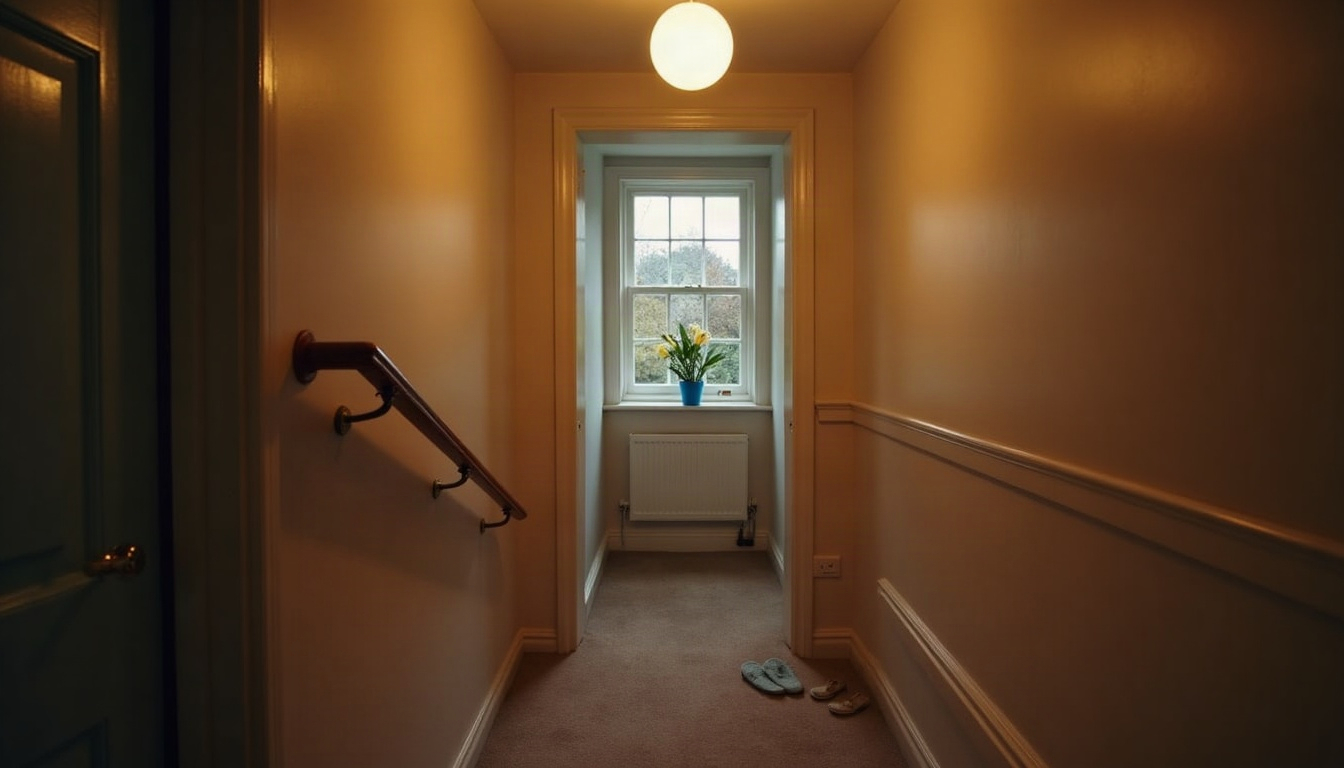
It begins with something small. The hall light at your mum’s house in Akron has been flickering since the clocks went back, and she mentioned on the phone that she’d rather not use the stairs after dark. You’re a long way away, and you can’t tell whether this is a bulb or something bigger.
The electrical jobs at an older person’s home range from brighter lighting on the stairs and a check of the electrical panel to a visit from EV charger installers Akron OH once an electric car joins the household. This guide puts them in order: what to do now, what to plan for, and when to bring in a licensed electrician. It assumes you’re caring from a distance, though the same sequence works if you live round the corner.
Write down what is wrong before you ring anyone
Start with a plain account of the problem. It helps whoever you speak to, and it stops the family disagreeing later about what was said. Ask your mum, or a neighbour, to describe three things: what happens, where, and when. A light that flickers only in the hall is a different story from lights that dim across the house whenever the kettle goes on.
Then sort the list into two piles. Do now covers anything that affects safety tonight: dark stairs, a socket that feels warm or looks scorched, a buzzing noise, a burning smell. Plan for covers anything annoying but not urgent, such as an old fitting or the idea of adding a car charger.
If there is a burning smell, smoke or visible sparks, don’t wait for a callback. Call the emergency services, and have a licensed electrician look at it afterwards. Nobody in the family should open up a socket, a fitting or the panel to see what is wrong. That is work for licensed professionals.
Carer’s checklist
- A short written description of each problem: what, where, when
- Every item sorted into “do now” or “plan for”
- Burning smells, sparks or scorch marks treated as urgent
- Everyone reminded not to open sockets, fittings or the panel
Light the route from bed to bathroom first
Of all the electrical jobs in an older person’s home, lighting tends to do the most good for the least upheaval. A well-lit route from bedroom to bathroom and an even, bright stairwell make a fall in the dark less likely, and good light helps anyone whose eyesight is changing. Akron winters mean early, dark evenings, so this matters from autumn onwards.
A sensible order is as follows.
- Walk the route after dusk, or ask your mum or a neighbour to film it on a phone, and note every dark patch.
- Ask what type of bulb each fitting takes. The wrong type can run hot or fail early.
- Put plug-in night lights where the route is darkest.
- Ask a licensed electrician about fixed changes, such as an extra ceiling light, recessed lights over the stairs or a replacement for a fitting that flickers.
Steps one to three are for the family. Step four, anything that has to be wired in, is not.
Carer’s checklist
- A list of dark spots on the route from bed to bathroom and on the stairs
- Bulbs checked as the right type for each fitting
- Plug-in night lights where the route is darkest
- A licensed electrician booked for any fixed lighting changes
Ask whether the panel can cope before adding anything
The electrical panel is the box of switches that shares power around the house and trips when something goes wrong. In an older home it may date from a time when families owned far fewer gadgets. Everything you add, whether a powered chair, a stairlift, a new heater or a car charger, asks more of it.
You can’t judge this by looking, and the family shouldn’t try. A licensed electrician can inspect the panel and say whether it needs work before more is added. Ask for the findings in plain words and in writing, and ask what should be done now and what can wait. Sometimes the answer is that nothing is needed, which is a useful answer too.
Panel work also means the power goes off for a while. If your mum relies on equipment that needs electricity, such as a powered bed or an oxygen concentrator, speak to her doctor or the equipment supplier about a back-up plan before the date is fixed, and ask the electrician how long the power will be off.
Carer’s checklist
- A list of any powered equipment in the house, including anything planned
- A licensed electrician’s written opinion on whether the panel needs work
- A clear answer on how long the power will be off during any work
- A back-up plan agreed for any medical equipment that needs power
Plan for the car if one is coming
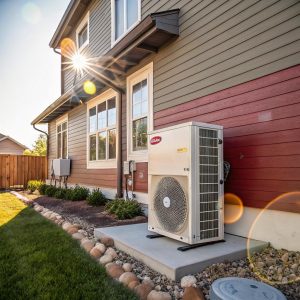
Not every family needs this section. If no electric car is coming into the picture, skip to the next one. If one is, whether it is yours, a visiting carer’s or your mum’s own, remember that a home charger is dedicated electrical work and a licensed electrician fits it.
The order to follow is this.
- Decide who will charge the car and where it will park, so that the cable doesn’t cross a path your mum uses. A cable across a path is a trip hazard.
- Ask the electrician to check the panel first, as in the section above.
- Ask the local building department whether a permit is needed, and ask the electricity provider whether it must be told.
- Get the quote in writing, including what the job covers and what it does not.
None of this is urgent. It belongs on the “plan for” pile, and it shouldn’t be allowed to push the stair lighting down the list.
Carer’s checklist
- Agreed place for parking and charging, away from walking routes
- Panel checked before the charger is booked
- Permit and provider questions asked
- Written quote saved in a shared folder
Prepare the visit so your mum isn’t left to cope
Whoever you book, the visit goes better with some groundwork. Ask for a licence and proof of insurance in line with local rules, and for a written quote before anything starts. Then tell your mum the date, the time window and who is coming. Visitors in the house are tiring, and a surprise knock at the door can be alarming for someone living alone.
Arrange for someone to be there, in person or on a video call. A neighbour, a friend of the family or you on a laptop will do, and they can ask the questions your mum might forget. Have them note the electrician’s name and what was done. Afterwards, ask for anything fixed or replaced to be explained in plain words, and check the lights on the stairs together.
Carer’s checklist
- Licence and insurance asked about, as local rules require
- Date, time window and name of the visitor passed on to your mum
- Someone present, in person or by video
- A plain-words summary of the work, saved with the quote
If you only do one thing this week
Ask your mum or a neighbour to film the walk from her bed to the bathroom, and down the stairs, after dark, and to send it to you. It shows you every dark patch at once, and it is the best brief you could give an electrician. You don’t have to understand wiring to look after the person who lives with it.