
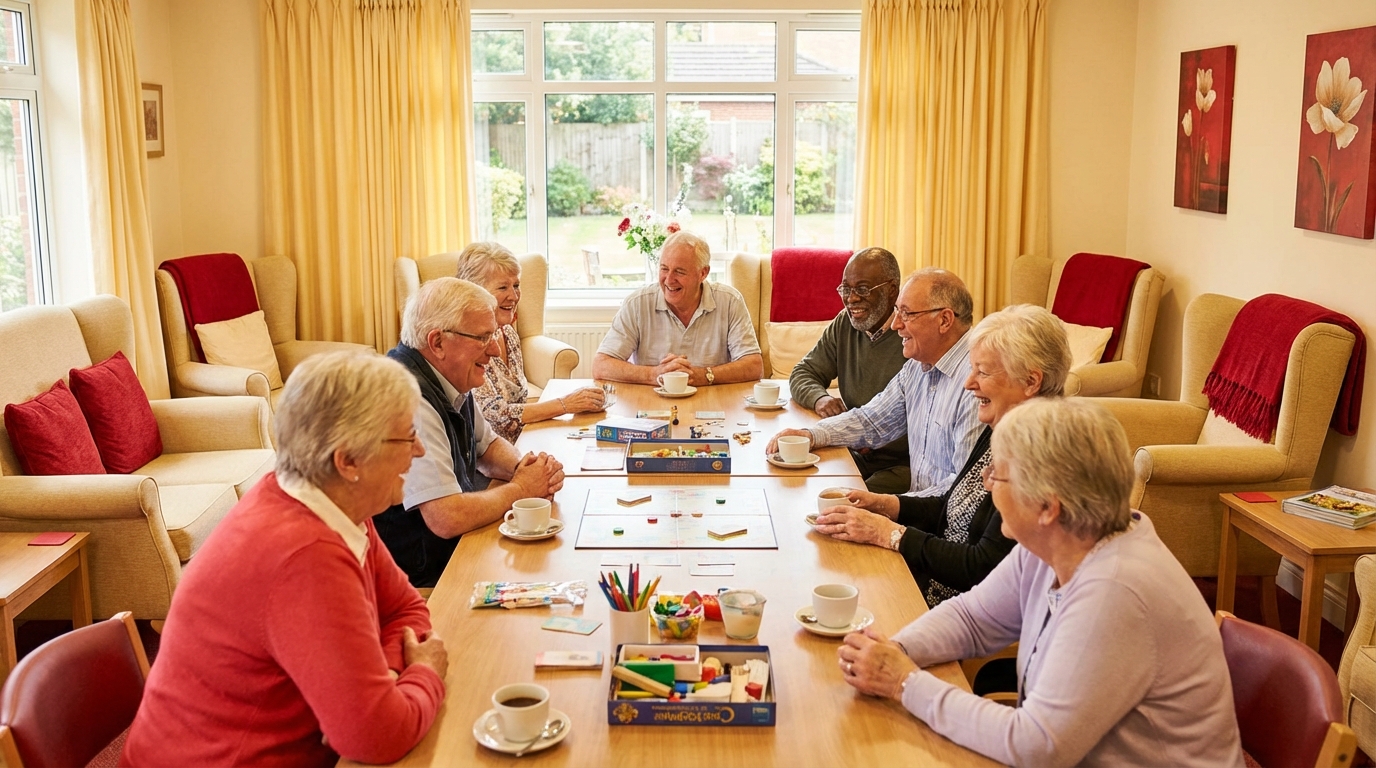
It is not easy to watch someone you care about grow quieter, more withdrawn, or lonely, especially when you are doing everything you can at home. Many of us have sat at the kitchen table wondering if there is something more that might bring back a bit of spark, conversation, and joy to their day, without taking them away from home completely.
The short answer is that day centers can be a gentle, practical middle ground. They give older adults and people with disabilities a safe, social place to spend part of the day, with activities, conversation, and support, while still allowing them to come home in the evening. For many families, a good day center reduces loneliness, slows decline, and gives caregivers a much needed break, all at the same time.
What is a day center and who is it for?
Before we talk about social interaction, it helps to have a clear picture of what we mean by a “day center.” Many names are used: adult day center, adult day program, senior day care, memory care day program, or community day health program. The details vary, but the heart of the idea is the same.
A day center is a place where an adult can spend several hours, often on set days each week, in a group setting that is structured, supervised, and supportive. People usually arrive in the morning and go home in the afternoon.
Most day centers welcome:
- Older adults who feel lonely or bored at home
- People living with dementia or memory loss
- Adults with physical disabilities who need some help or supervision
- People who are recovering from strokes or other health events and need a safe setting
- Older adults whose caregivers work or need regular respite time
The environment is meant to feel more like a social club than a medical office. Some centers are social-focused, with games, conversation, and outings. Others are more medically focused, with nurses on staff, help with medications, and closer monitoring. Many are a blend of both.
A good day center feels like an extension of home: familiar faces, regular routines, and enough support so that both the participant and the family can breathe a little easier.
Why social interaction matters so much
When we talk about day centers, we often jump straight to schedules, transportation, and cost. Beneath all of that sits one simple truth: people need people. Social interaction is not just a bonus; it has real effects on the body, brain, and emotional health.
The hidden cost of loneliness and isolation
Many caregivers tell the same story: “My dad used to be so social, and now the days all run together. He sits in his chair, the TV is on, but he does not really talk to anyone.” On the surface, the situation might seem calm, even safe. Over time, though, isolation can take a quiet toll.
Research has linked ongoing loneliness in older adults to:
- Higher risk of depression and anxiety
- Faster cognitive decline
- Higher risk of heart disease and stroke
- Worse sleep quality
- Shorter lifespan
Many of us see pieces of this in daily life before we see the big picture. Maybe your loved one:
- Stops answering the phone or rarely calls anyone
- Turns down invitations they would have accepted in the past
- Struggles to follow conversations because they are out of practice
- Becomes more suspicious, irritable, or withdrawn
- Seems to “shut down” by mid-afternoon with nothing to look forward to
Loneliness here is not just “being alone.” A person can live with family and still feel deeply lonely if they do not feel useful, heard, or meaningfully involved.
Social connection is like a daily vitamin for brain and mood health. When that vitamin is missing, the effects may be slow and quiet, but they are very real.
What daily social contact does for the brain
Regular friendly interaction gives the brain a gentle workout. To talk with others, follow a group activity, or join a game, the brain has to:
- Pay attention to faces, tone, and body language
- Find the right words and remember names or details
- Switch between topics and tasks
- Recall recent events to share stories
For someone living with dementia or mild cognitive impairment, a busy, loud setting can be overwhelming. A good day center usually balances stimulation with calm structure. This kind of guided, predictable social contact can help:
- Slow some aspects of cognitive decline
- Maintain language and conversation skills longer
- Preserve daily routines and sense of time
- Support a more stable mood
Many caregivers notice that when their family member attends a center regularly, they are more awake during the day, more settled in the evening, and engage more with family at home.
How day centers support social interaction
Day centers are built around group life. The social benefits do not come from one single activity, but from the rhythm of the whole day.
Structured but gentle daily routines
One of the most powerful parts of a center is that it gives shape to the day. There is a time to arrive, greet others, have a snack, join an activity, eat lunch, rest, and so on. No part of this is rushed, yet the simple structure encourages participation.
A typical day might look like this:
| Time | Activity | Social benefit |
|---|---|---|
| 8:30 – 9:30 | Arrival, coffee, casual conversation | Light, low-pressure chat helps people warm up and feel welcome |
| 9:30 – 10:00 | Group orientation, daily announcements | Shared information builds a sense of belonging and routine |
| 10:00 – 11:00 | Group activity (exercise, art, music) | Working together creates connection and shared accomplishment |
| 11:00 – 12:00 | Games or discussion group | Conversation, memory sharing, light mental challenge |
| 12:00 – 1:00 | Lunch | Family-style meals encourage talk and relationship building |
| 1:00 – 2:00 | Quiet activities, crafts, one-on-one visits | Smaller settings help shy or anxious participants engage |
| 2:00 – 3:00 | Music, reminiscing, or outdoor time | Shared enjoyment rounds off the day with positive memories |
Many families find that the simple act of “getting up to go somewhere” a few times a week brings back a sense of purpose and normalcy that had been slipping away.
Different kinds of social activities
Not every person enjoys the same kind of interaction. A thoughtful day center will offer a mix of small and large group activities, quieter options, and more energetic ones.
Some common activities that support social connection:
- Music groups: Singing familiar songs, gentle movement to music, or simple instruments invite participation, even for those with limited speech.
- Reminiscence circles: Sharing memories on a theme (holidays, childhood games, favorite jobs) helps people feel known and valued.
- Gentle exercise classes: Chair yoga, stretching, or light aerobics build camaraderie while supporting physical health.
- Game time: Bingo, cards, word games, and puzzles encourage friendly competition and laughter.
- Art and crafts: Painting, collages, or simple projects create a calm, shared focus and a chance to compliment each other”s work.
- Intergenerational visits: Some centers invite children from local schools or community groups, which often brings joy and conversation.
Each of these activities is about more than filling time. They offer chances to make eye contact, smile at a neighbor, share a memory, or feel helpful.
Opportunities for friendship
It can be hard for an older adult to find new friends once they leave work or stop driving. A day center gently places people in contact with others who share similar life stages and challenges.
Over weeks and months, many participants:
- Recognize familiar faces and look forward to seeing them
- Develop small routines, like sitting with the same group at lunch
- Share personal stories and feel heard and respected
- Support each other through tough days with a kind word or a touch on the shoulder
For someone who feels like their world has grown smaller, simply hearing “We missed you last week” can mean a great deal.
Support for people who are shy or anxious
Not everyone warms up quickly in a group. Some people with dementia or mental health conditions may feel anxious in new settings. A good day center will notice this and not force social interaction.
Staff can:
- Start with quieter corners or one-on-one visits
- Invite the person to watch before joining an activity
- Pair them with a gentle, friendly participant who can make them feel welcome
- Offer sensory-friendly options, like calm music or a simple task, if large groups feel overwhelming
Over time, many reserved participants begin to join in more. The predictability of the schedule and the familiar faces often help people feel safe enough to take social risks.
The emotional impact on participants
Beyond the research and schedules, there are very human shifts that families and staff notice once a person starts attending a day center regularly.
Improved mood and sense of purpose
When people have somewhere to go and people expecting them, it often changes how they feel about themselves. Instead of each day blending into the next, there is a reason to get up, get dressed, and look forward to something.
Families often report:
- Less daytime napping and more meaningful activity
- Less evening restlessness or “sundowning”
- More smiles, laughter, and conversation at home
- Renewed interest in personal appearance or clothes
Feeling “needed” is powerful. Even small roles at a day center, like helping set tables or welcoming new participants, can rebuild dignity and confidence.
Reduced behavioral symptoms in dementia
For people living with dementia, unmet needs and boredom can show up as wandering, agitation, repetitive questions, or anger. While day centers are not a cure, regular attendance sometimes eases these behaviors by:
- Providing mental and social stimulation during the day
- Reducing long stretches of unstructured, confusing time
- Creating predictable routines that give a sense of security
- Offering skilled staff who understand dementia communication
Many caregivers notice fewer outbursts on program days, and some find that sleep patterns improve as well.
Preserving identity and life story
At home, most conversations may revolve around medications, hygiene, or appointments. At a day center, there is more time to talk about who the person is, not just what care they need.
Staff might:
- Ask about the person”s past work or hobbies and weave that into activities
- Invite them to lead or demonstrate something they know well
- Use music, photos, or themed days to honor their culture or background
For someone whose skills are changing, being seen as a teacher or expert, even for a moment, can feel deeply comforting.
The impact on caregivers and families
When we talk about the importance of day centers, we also need to talk honestly about what they mean for the family members who provide care.
Relief from constant responsibility
Caregivers often love the person in their care deeply and still feel exhausted. Watching the clock, listening for movement in the next room, planning every meal and task can wear anyone down.
Regular days at a center can:
- Provide several hours where the caregiver knows their loved one is supervised and engaged
- Free up time for work, appointments, or rest
- Reduce the sense of being “on call” every minute
- Help caregivers regain some parts of their own identity
Many caregivers feel guilty at first for needing this break. With time, many see that the arrangement benefits both sides. The person attending the program gains peers and activities, and the caregiver returns with more patience and energy.
More positive time together at home
When the entire relationship revolves around caregiving tasks, it can be hard to remember the parts that used to bring joy. Day centers can shift some of the practical load away from home, which allows more room for connection.
You might notice that:
- Evenings become a time for sharing stories about the day, instead of arguing about boredom or restlessness
- Weekends feel less “trapped,” because the person has had stimulation during the week
- You have more energy to read together, watch a favorite show, or sit outside and talk
Sometimes the greatest gift a day center offers is this: the chance to be a daughter, son, spouse, or friend again, not only a caregiver.
Guidance and support from staff
Day center staff see many families in situations like yours. While they cannot replace medical professionals, they can be a helpful source of practical ideas.
Staff might:
- Alert you to changes they notice, such as increased confusion or falls
- Share communication techniques that work well with your loved one
- Suggest activities you can try together at home
- Connect you with support groups or community resources
This kind of partnership can make you feel less alone and more prepared for the changes ahead.
Addressing common worries about day centers
Hesitation is very common, both for caregivers and for the people who might attend. It can help to name these worries clearly.
“Will my loved one feel abandoned?”
This fear is very real, and it shows how much you care. Many families worry that using a day center means they are “passing off” their responsibility.
In practice, many participants:
- See the center as “their place,” not as abandonment
- Enjoy having peers and a change of scenery
- Return home more content and ready for family time
You can ease this transition by:
- Presenting the center as a club, class, or “place to meet friends” rather than as care
- Attending the first few visits together if the center allows it
- Keeping a predictable routine (same days each week)
- Reassuring your loved one that you will see them later and keeping that promise
“What if they refuse to go?”
Some people are open to the idea right away. Others say “I am not going” or “I do not need that.” It can be tempting to give up quickly, but resistance at the start is common and does not always last.
A few gentle approaches:
- Start with a short visit or a trial day to “see what it is like”
- Focus on what they might enjoy: music, company, meals, or helping others
- Ask the center staff for help; they often have good ideas for introductions
- Try again a week or two later if the first attempt fails
If a person has dementia, arguing about the “logic” of attending rarely works and can increase distress. Sometimes framing it as helping you (“It would help me to know you are with friends while I go to the doctor”) is more successful.
“Is a day center safe and respectful?”
Trust is crucial. Before enrolling someone, it is wise to visit in person and pay close attention to how people are treated.
During a visit, you might look and listen for:
- Warm, respectful tone of voice from staff
- Participants dressed, groomed, and comfortable
- A mix of activities and spaces for quiet time
- Clear safety measures, such as sign-in procedures and secure exits
- Staff who call participants by name and seem to know their preferences
You can also ask questions about staff training, emergency procedures, and how they handle behavior changes. Your instincts matter here. If a place does not feel right, it is reasonable to look for another option.
How to choose a day center that supports social connection
Not all programs are the same. Some are livelier, some quieter, some more medically focused. Matching the center to your loved one”s personality and needs can make a big difference.
Key areas to look at
When you are visiting or researching centers, it can help to use a simple comparison table.
| Area | What to look for | Questions you might ask |
|---|---|---|
| Atmosphere | Warm, calm, with people engaged but not overwhelmed | “How do you help new participants feel comfortable?” |
| Social activities | Variety of group and small activities that match interests | “What does a typical day of activities look like here?” |
| Dementia support | Staff trained in dementia care, clear routines, gentle communication | “How do you support people with memory loss or confusion?” |
| Staffing | Enough staff to give attention; staff appear relaxed, not rushed | “What is your staff-to-participant ratio?” |
| Inclusion | Respect for different cultures, languages, and abilities | “How do you learn about each person”s background and preferences?” |
| Caregiver communication | Regular updates, openness to questions and concerns | “How do you share information with families?” |
Matching the center to the person”s personality
A very outgoing person might enjoy a more active, bustling program. Someone who has always been quiet may prefer a smaller center or one that offers cozy, calm corners.
Think about your loved one:
- Have they always liked group activities, or do they prefer one-on-one conversations?
- Do they like music and noise, or do they tire easily from stimulation?
- What hobbies or interests did they enjoy in earlier years?
- Do they have strong cultural or religious preferences that should be honored?
Sharing these details with the center can help staff connect more quickly and respectfully.
Making the most of a day center for social connection
Once your loved one is attending, there are gentle ways to support the social benefits, without adding pressure.
Create a steady routine
Predictability helps many older adults and people with dementia feel safer. You might:
- Choose the same days each week if possible
- Keep morning routines similar on “center days”
- Use a calendar or simple visual schedule to remind them what days they go
- Have a small ritual, like a cup of tea together, when they return home
Over time, the center can become simply “what we do on Mondays, Wednesdays, and Fridays,” rather than a constant new decision to face.
Encourage sharing about the day
Not everyone remembers or wants to talk about every detail of their day, especially if there is memory loss. Still, gently asking about experiences can reinforce the sense of connection.
You might ask:
- “Did you hear any songs you liked today?”
- “Who did you sit with at lunch?”
- “Did anything make you laugh?”
- “What was your favorite part of the day?”
If your loved one has trouble recalling details, you can ask the staff for brief highlights at pick-up, then use those to start conversation at home.
Partner with staff around social needs
Sometimes a person has unique social needs: maybe they speak a different first language, are hard of hearing, or have a history of trauma that makes certain situations difficult.
It can help to share:
- How your loved one best receives information (face-to-face, written, repeated slowly)
- Topics that bring comfort, like past jobs, hobbies, or family stories
- Topics that tend to cause distress, which staff might gently avoid
- Hearing or vision aids they use and how to support them
This partnership can make social experiences at the center feel safer and more meaningful.
You do not have to “hand over” your loved one”s story when they attend a day center. Instead, you and the staff can hold that story together, each in your own way.
When a day center might not be the right fit
Even though day centers help many families, there are times when they are not the best choice, at least for now. It is helpful to be honest about this.
A day center may be difficult if:
- The person has severe behavioral symptoms that put others at risk
- They become extremely distressed in groups despite many gentle attempts
- They are medically unstable and need constant skilled nursing care
- There is no safe and reliable transportation
In these situations, home-based services, one-on-one companions, or different care settings might be safer. A social worker, geriatric care manager, or medical provider can help you look at options.
Day centers are also not a way to “fix” complex emotional pain or family conflict overnight. They can provide relief and connection, but they work best as one part of a larger support plan.
Supporting social connection beyond the center
Attendance at a day center does not replace all other social contact. Home life still matters deeply. The center can act as a foundation that you build upon.
Some gentle ways to support social interaction outside the center:
- Schedule regular short visits with family or friends, focusing on quality rather than long hours
- Use video calls for relatives who live far away, keeping them simple and brief
- Encourage simple shared tasks at home, such as folding towels or watering plants together
- Bring elements of the center home, such as favorite songs, simple games, or conversation topics
For many families, the combination of structured social time at the center and warm, low-pressure connection at home creates a more balanced, humane rhythm for everyone.
We cannot remove every struggle that comes with aging, disability, or caregiving, but we can soften the edges by making sure no one has to face those days entirely alone.