
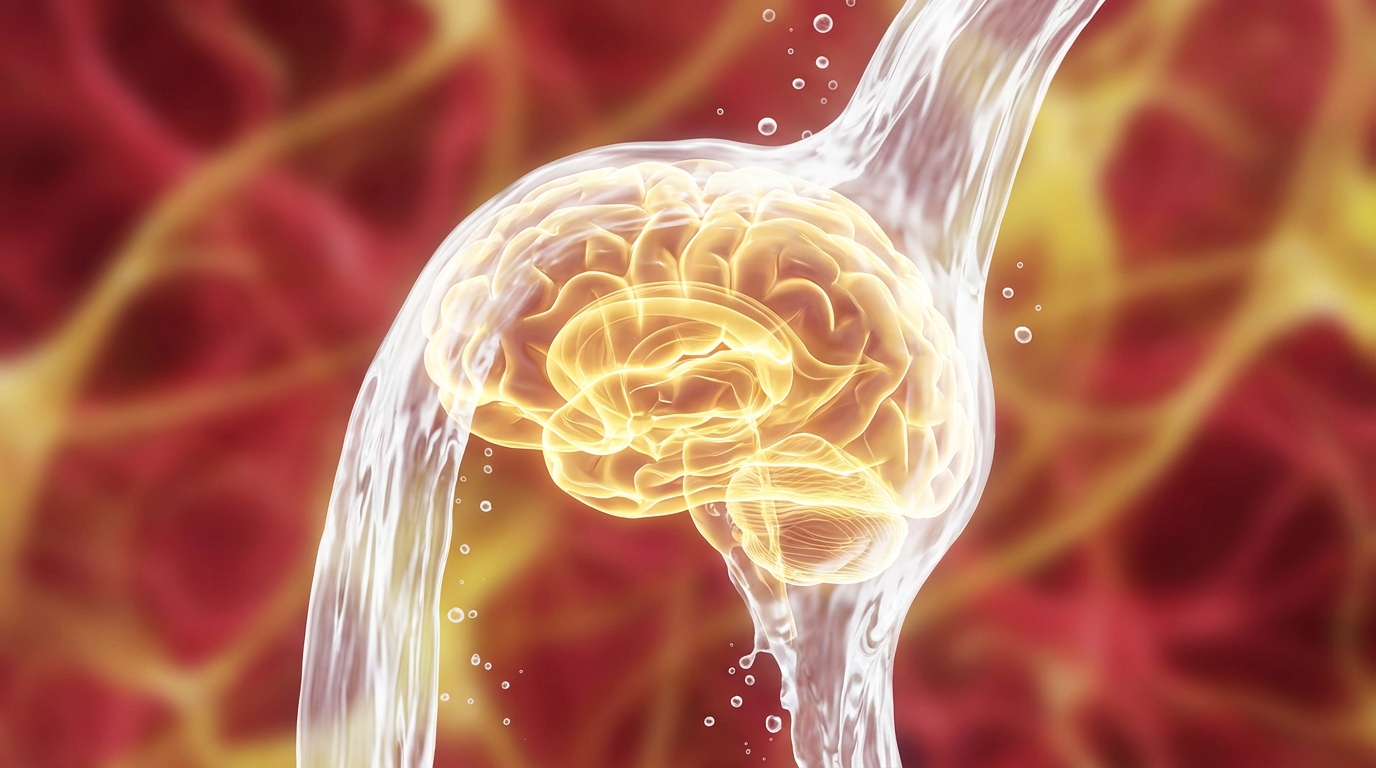
It is not easy to care for a mind that feels foggy, tired, or unlike its usual self, whether it is your own mind or that of someone you love. Many of us have watched an older parent, a spouse, or even a child seem more forgetful or confused on certain days and wondered what is changing, or if something is wrong. In those moments, simple things like drinking enough water can feel far too small to matter, yet they quietly shape how clearly we think and how steadily we cope with the day.
The gentle truth is that hydration has a direct and surprisingly strong effect on how the brain works. Even mild dehydration can make memory weaker, slow reaction time, worsen mood, and increase confusion, especially in older adults and people living with illness. Keeping up with fluids will not cure dementia, depression, or serious brain conditions, but it can support clearer thinking, fewer headaches, better attention, and more stable energy. For caregivers, a steady focus on hydration is one of the kindest, most practical ways to protect day-to-day cognitive function and to reduce avoidable crises such as delirium, falls, and hospital visits.
Hydration is not just about quenching thirst; it is one of the quiet foundations that helps the brain think, remember, and stay steady through the day.
How Hydration Affects the Brain
Before we talk about strategies, it helps to understand how closely water and brain function are linked. When we see the connection, it becomes easier to take hydration seriously, even on busy and emotionally heavy days.
The brain is mostly water
The human brain is made up of about 73 percent water. That water is involved in almost every process the brain depends on:
- Carrying nutrients and oxygen to brain cells
- Removing waste products and toxins
- Helping maintain the right electrical signals between nerve cells
- Supporting blood flow and blood pressure
- Regulating temperature inside the brain
When the body lacks enough fluid, the brain cannot work at its usual level. Nerve cells have more trouble sending signals. Blood becomes thicker, which can reduce blood flow. The delicate balance of salts (electrolytes) shifts, which affects mood, focus, and alertness.
Even a small drop in body water can feel large inside the brain, especially for an older adult or someone living with chronic illness.
What even mild dehydration can do to cognition
Research in children, adults, and older adults shows that losing as little as 1 to 2 percent of body weight in fluid can affect thinking. This level is common; it can happen in a normal day without much drinking, on a warm afternoon, or during a couple of hours of busy caregiving.
Common cognitive effects of mild to moderate dehydration include:
- Poorer short-term memory (forgetting instructions, misplacing items)
- Slower reaction time (slower to answer questions or respond to cues)
- Reduced attention and concentration
- More difficulty with complex tasks or problem solving
- Greater mental fatigue and “brain fog”
In children, dehydration is linked with lower school performance that day. In adults, it can affect driving, work, and daily decisions. In older adults and people with dementia, even mild dehydration can tip them from “a bit confused” into “suddenly very confused,” which health professionals call delirium.
Hydration and mood: why everything feels harder
Many caregivers notice that low fluid intake affects mood before thinking. Dehydration often leads to:
- Increased irritability and impatience
- More anxiety or feeling “on edge”
- Lower mood and reduced motivation
- Greater sense of stress or being overwhelmed
- More headaches, which add to frustration and fatigue
These changes matter a great deal for caregiving. A loved one who is irritable or anxious is less likely to cooperate with bathing, dressing, or medication. A caregiver who is thirsty, headachy, and tired has less emotional reserve, even with the best intentions.
Sometimes what feels like a “bad day” for memory or mood is, in part, a “dry day” for the body and brain.
Why Older Adults Are Especially Vulnerable
Caregivers often ask why hydration seems to affect their older loved ones so strongly, and why they can become confused or ill so quickly when fluids are low. The answer lies in the way aging changes thirst, kidneys, and the brain.
Age-related changes in thirst and body water
As we age, several things happen that increase the risk of dehydration:
- We feel less thirsty. The brain’s thirst center becomes less sensitive, so older adults may not feel thirsty even when the body is dry.
- The body holds less water. Older adults have lower muscle mass and higher fat mass. Muscle holds more water than fat, so total body water decreases.
- The kidneys conserve water less effectively. This makes it harder to concentrate urine. More water is lost, especially at night.
- Swallowing can be harder. Stroke, Parkinson’s disease, dementia, and muscle weakness can make drinking physically more difficult.
- Mobility challenges. If it is hard to get to the kitchen or bathroom, a person may drink less to avoid the effort or the fear of incontinence.
All of this means that an older adult can become dehydrated faster and recover more slowly, even with what seems like only a small drop in intake.
Medications and dehydration
Many common medicines affect fluid balance and brain function:
- Diuretics (“water pills”) for blood pressure or heart failure increase urine output.
- Laxatives can draw water into the bowel and increase fluid loss.
- Some blood pressure medicines affect kidney blood flow.
- Antidepressants and antipsychotics may interfere with thirst or antidiuretic hormone.
- Diabetes medicines can cause higher urine output if blood sugar is high.
For someone older, small changes in fluid intake, combined with these medicines, can lead to dizziness, confusion, and higher risk of falls.
Dehydration, dementia, and delirium
People living with dementia are especially vulnerable. They may:
- Forget to drink or forget where beverages are located
- Not recognize thirst or know how to express it
- Be suspicious of drinks that look unfamiliar
- Have difficulty using cups or straws
Dehydration is a frequent trigger for delirium in older adults. Delirium is a sudden change in mental state, with worse confusion, inattention, and sometimes hallucinations or agitation. It can look very much like a sudden worsening of dementia, but the cause is often something treatable, such as infection, medication side effects, or dehydration.
Any sudden jump in confusion or drowsiness in an older adult should be treated as urgent, and dehydration is one of the first causes to consider.
Signs Of Dehydration That Affect Cognitive Function
Catching dehydration early can prevent a mild cognitive dip from turning into a crisis. Many caregivers already watch for dry lips or dark urine; linking these to memory and mood changes helps create a more complete picture.
Subtle early signs
Early dehydration can show up before obvious thirst. Watch for:
- Slower answers to simple questions
- More “What did you say?” or “What was I doing?” moments
- Unusual tiredness or wanting to nap more than usual
- Difficulty following conversations or TV programs
- Mild headache or a feeling of heaviness in the head
- Dry mouth or sticky saliva
- Less frequent urination, with darker yellow urine
In yourself, you might notice more trouble finding words, feeling scattered, or needing to reread things to understand them.
Moderate dehydration and cognition
If dehydration goes further, cognitive symptoms become more obvious. The person might:
- Seem confused about the time, day, or place more than usual
- Have trouble with tasks they usually handle, such as using the remote or phone
- Show sudden changes in mood, such as irritability, anxiety, or apathy
- Complain of dizziness, especially when standing
- Walk unsteadily or have near-falls
- Have trouble focusing eyes or appear “glazed over”
Physical signs at this stage might include:
- Very dry mouth and lips
- Weak, rapid pulse
- Sunken eyes
- Cool, dry skin in a dry dehydration
- Low blood pressure, especially when standing
When dehydration becomes an emergency
Severe dehydration is a medical emergency and can lead to permanent harm. Seek urgent medical help right away if you notice:
- New or rapidly worsening confusion or agitation
- The person is very drowsy, hard to wake, or unresponsive
- Very fast or very slow pulse
- No urination for 8 hours or more, or very little very dark urine
- Cold hands and feet, pale or mottled skin
- Chest pain, trouble breathing, or fainting
It is safer to seek help early for sudden confusion than to wait and see. Hydration problems can worsen quickly, especially in frail adults.
How Much Fluid Supports Healthy Cognitive Function?
Caregivers often ask for a simple number of cups or glasses per day. The honest answer is that needs vary with age, health conditions, medicines, body size, and climate. Still, there are general guideposts that can help.
General daily fluid needs
Many health guidelines suggest:
| Group | Approximate total fluids per day* |
|---|---|
| Healthy adult women | About 2.0 to 2.3 liters (around 8 to 9 cups) |
| Healthy adult men | About 2.5 to 3.0 liters (around 10 to 12 cups) |
| Older adults (65+) | Often 1.6 to 2.0 liters (around 6 to 8 cups), adjusted for health conditions |
| Caregivers under high stress | Similar to healthy adults, with extra during hot weather or heavy activity |
*Total fluids means all beverages plus water-rich foods like soups, fruits, and some desserts such as gelatin.
Some medical conditions, especially heart failure, kidney disease, or severe liver disease, may require fluid restriction. In those cases, always follow the specific guidance of the health care team, and ask them to explain how hydration relates to thinking and mood for your loved one.
Signs that daily fluid intake is probably adequate
Instead of counting every sip, many families find it more practical to watch simple signs:
- Urine is pale yellow, like light straw, by late morning and afternoon
- Urination occurs at least every 3 to 4 hours during the day
- Headaches are uncommon
- The person feels alert and reasonably focused most of the day
- No strong, persistent feelings of thirst
For people living with dementia, the caregiver will often be the one to observe and adjust, since the person may not reliably report thirst or track their own intake.
Practical Hydration Strategies For Better Cognitive Health
Caregivers carry many responsibilities, and adding one more task can feel heavy. The goal is not to chase perfection but to build gentle habits that reduce the risk of dehydration and its effects on the brain.
Make hydration part of daily rhythm, not a special event
Rather than asking an older adult to drink a large glass all at once, it is often easier to spread fluid throughout the day. For example, you might anchor hydration to regular moments:
- Upon waking: a small glass of water or herbal tea
- With each meal: at least one cup of fluid
- With medications: a half-cup to one cup, as suitable
- Mid-morning and mid-afternoon: a drink plus a small snack
- Early evening: a drink that respects any nighttime incontinence concerns
Creating a routine helps the brain and body expect fluid and reduces resistance.
Offer a variety of fluids
Plain water is excellent, but it is not the only option. People are more likely to drink what they enjoy. You might try:
- Water, plain or flavored with a slice of lemon, lime, or cucumber
- Herbal teas, served warm or iced
- Milk or fortified plant milks, which also provide protein and calcium
- Broths or light soups, especially in cooler weather
- Oral rehydration solutions or electrolyte drinks, used thoughtfully
- Decaffeinated tea and coffee, if tolerated
Small amounts of caffeinated beverages are usually acceptable for many people, but high caffeine can increase urination and jitters, which may worsen anxiety or sleep in sensitive individuals.
The “best” drink is often the one the person will actually enjoy and finish, as long as it fits their medical needs.
Use foods to support hydration
For some people, drinking is less appealing than eating. Water-rich foods provide gentle hydration and can feel less overwhelming than large drinks.
Examples include:
- Fresh fruits such as watermelon, oranges, grapes, melon, berries
- Soft fruits like peaches and pears, including those canned in light juice
- Vegetables such as cucumbers, tomatoes, lettuce, celery, zucchini
- Soups and stews with a good broth base
- Yogurt and cottage cheese
- Gelatin desserts and homemade fruit ice pops
These options can be especially helpful for people with swallowing difficulties, as some textures are easier and safer than thin liquids. Always match textures to any swallowing plan recommended by a speech therapist.
Adjusting for incontinence and bathroom anxiety
Many older adults limit drinking because they fear accidents, embarrassment, or the effort of getting to the toilet. This fear is very real and should be treated gently rather than dismissed.
Helpful approaches include:
- Offering more fluids earlier in the day and less in the late evening
- Using absorbent products or bed pads to reduce fear of accidents
- Scheduling regular bathroom visits, such as every 2 to 3 hours
- Making the bathroom safe, well lit, and easy to reach
- Using bedside commodes or urinals when mobility is limited
Sometimes simple home modifications, such as night lights or grab bars, reduce the fear of walking to the bathroom and allow better hydration.
Supporting Caregivers: Your Hydration Affects Your Thinking Too
While most of the focus tends to be on the person needing care, the caregiver’s brain also depends on good hydration. You make decisions, manage medicines, handle finances, and offer emotional support. All of this requires clear thinking.
How dehydration affects caregiving decisions
When caregivers are dehydrated, they may:
- Feel more overwhelmed by routine tasks
- Have less patience during challenging behaviors
- Make more small mistakes in medication or scheduling
- Have trouble remembering conversations with doctors or family members
- Experience more headaches, which sap energy and mood
These effects are subtle but real. Many caregivers attribute them only to stress or lack of sleep, which certainly matter, but hydration is a factor that can often be corrected that same day.
Simple ways for caregivers to support their own hydration
Small, consistent habits can make a large difference:
- Keep a water bottle or cup in the rooms where you spend the most time.
- Drink a glass of water with each medication you take.
- Pair short breaks with a drink: each time you sit down, sip.
- Set quiet reminders on your phone or watch for hydration checks.
- Choose drinks that you genuinely enjoy, within your health needs.
Caring for your own hydration is not selfish; a clearer, steadier mind is one of the greatest gifts you can offer the person you care for.
Special Situations That Strongly Affect Hydration And Cognition
Some days bring extra risk for dehydration and cognitive decline. Being prepared can help prevent sudden drops in thinking and mood.
Hot weather and heat waves
High temperatures increase fluid loss through sweat, even if the person does not feel sweaty. For older adults, the body’s ability to regulate temperature is weaker, and thirst lags behind need.
During hot days:
- Offer frequent cool fluids, not just when the person says they are thirsty.
- Use light clothing and keep living areas shaded and as cool as possible.
- Watch closely for rising confusion, dizziness, or headache.
- Reduce strenuous tasks during the hottest hours.
Heat and dehydration together put a heavy strain on the brain and heart. Caregivers should also protect themselves with fluids and rest.
Illness, vomiting, and diarrhea
Stomach viruses, food poisoning, or severe infections can cause rapid fluid loss. Cognitive changes can appear quickly in frail adults.
Steps that often help:
- Offer small sips of clear fluids frequently, rather than large amounts at once.
- Use oral rehydration solutions if recommended by a health professional.
- Call a clinician early if the person cannot keep fluids down or shows confusion.
- Monitor urine output and color carefully.
Do not wait for severe thirst; older adults may not feel it even when dangerously dry.
After surgery or during hospital stays
Hospitals can be disorienting. Changes in routine, unfamiliar staff, pain, and medicines all affect cognition. Hydration is often guided by IV fluids and orders from the medical team, but oral intake matters too.
Caregivers can:
- Politely ask how hydration is being managed and how it relates to delirium risk.
- Encourage sips of water or allowed fluids between meals, if swallowing is safe.
- Watch for delirium signs such as new confusion, agitation, or hallucinations.
After discharge, many people are still vulnerable. Gentle attention to fluids at home can support healing and clearer thinking.
Hydration And Common Cognitive Conditions
Hydration will not cure major brain conditions, but it often affects how stable they feel day to day. Understanding this can help caregivers set realistic hopes and avoid discouragement.
Alzheimer’s disease and other dementias
People with dementia are at high risk of both dehydration and delirium. Hydration can:
- Reduce the frequency of sudden, preventable dips in thinking.
- Lower the chance of urinary tract infections, which also worsen confusion.
- Support better sleep-wake patterns, since discomfort from thirst can disrupt sleep.
- Help maintain blood pressure, lowering the risk of falls when standing.
Hydration will not reverse the underlying disease, but it often keeps the “good hours” clearer and more comfortable.
Stroke and brain injury
After stroke or head injury, the brain is more sensitive to changes in blood flow and blood thickness. Dehydration can raise the risk of blood clots and worsen fatigue and confusion.
In these situations:
- Follow fluid guidelines from the rehabilitation or neurology team.
- Work with speech therapy for safe swallowing strategies.
- Use cups, straws, or adapted containers suited to any physical limits.
Even small, regular sips can make a difference for someone whose brain is working hard to heal.
Depression, anxiety, and mental health conditions
Mood and hydration feed into one another. When someone is depressed or anxious, they may:
- Neglect self-care, including drinking
- Lose interest in food and beverages
- Have increased sweating or stomach upset from anxiety
Dehydration, in turn, can worsen fatigue, irritability, and concentration problems, which are already part of many mental health conditions.
Gentle hydration support, such as offering tea during conversation, can be a subtle way to care for both body and mind.
Building A Home Culture That Supports Hydration And Clearer Thinking
In many homes, hydration becomes another item on a long task list, which can feel heavy and stressful for everyone. Shifting the way we think about fluids can reduce resistance and create a more peaceful routine.
Make drinking a shared activity
People are more willing to drink when they are not singled out. You might:
- Sit together for “tea time” or a smoothie break.
- Raise small glasses in a simple toast before meals.
- Link hydration breaks with pleasant activities, such as music or a short walk.
When the caregiver drinks too, it feels like companionship rather than a demand.
Use visual cues and simple tracking
Sometimes we overestimate how much has actually been consumed. Visual aids help:
- Use a marked water bottle or pitcher that shows how much has been drunk.
- Place cups or bottles in consistent, easy-to-see spots.
- For some families, a small chart with check marks for each drink can be helpful.
For people with memory impairment, avoid complicated charts. Keep cues simple and supportive, not punitive.
Respect preferences and autonomy
No one likes to feel forced, especially adults who may already feel that they are losing control in other areas of life. Try to offer choices:
- “Would you like water or herbal tea?”
- “Do you feel like something warm or something cold?”
- “This cup or that mug?”
Small choices can preserve dignity and increase cooperation.
Hydration care works best when it feels like kindness and respect, not correction.
When To Involve Health Professionals
Even with the best home care, there are times when guidance or medical help is needed.
Questions to bring to a medical visit
You might find it helpful to ask:
- “What is an appropriate daily fluid target for my loved one, given their conditions?”
- “Are any of these medicines changing their fluid needs or thirst?”
- “How can we safely increase fluids without worsening incontinence or heart failure?”
- “What signs of dehydration or delirium should lead us to seek urgent help?”
Writing these questions down before the visit can reduce cognitive load for caregivers who are already carrying a great deal.
When to seek urgent or emergency care
Seek help right away if you notice:
- Sudden, marked change in mental status or new delirium
- Very low urine output with dark, strong-smelling urine
- Fainting, chest pain, or severe dizziness
- Signs of stroke such as facial drooping, weakness on one side, or slurred speech
In these situations, treat hydration as one piece of a larger urgent puzzle rather than something to manage alone at home.
Gently Weaving Hydration Into Cognitive Care
Hydration is not a cure-all, and it cannot erase the challenges of aging, dementia, or serious illness. What it can do is give the brain a fairer chance to do its best each day. For many families, this means:
- Fewer days where everything feels “off” without a clear reason
- Less frequent headaches, dizziness, and preventable confusion
- More stable mood and patience for both care recipient and caregiver
- Reduced risk of avoidable hospital visits tied to dehydration and delirium
Many caregivers discover that once hydration is gently built into the rhythm of the day, it becomes less of a struggle and more of a quiet act of care, like offering a blanket when someone is cold.
Every cup offered with patience and respect is more than fluid; it is a way of saying, “Your comfort and your clarity matter to us.”