It is not easy to feel alone when you are trying to stay healthy, care for a loved one, or manage a new diagnosis. Many of us walk into clinics and hospitals feeling small, rushed, and unsure of what to ask. Then we step back into our homes and realize that most of the work of healing happens there, often without much support.
The short answer is that community centers are becoming quiet anchors in modern healthcare. They offer health screenings, education, exercise, social connection, caregiver support, and links to medical services, all in a familiar, lower‑stress place. They do not replace doctors or hospitals, but they make care more human, closer to home, and easier to reach for older adults, caregivers, people with disabilities, and families under stress.
Community centers bridge the space between the clinic and the kitchen table, turning health from a single appointment into a shared, ongoing effort.
We can think of them as living rooms for our health: places where we can ask questions without feeling rushed, practice new skills, and feel less alone while we do it.
Why Community Centers Matter So Much For Health
Modern healthcare often focuses on tests, diagnoses, and treatments. Those are needed. But a big part of health is shaped by where we live, who we see, what we eat, how safe we feel, and whether we have someone to call when something feels wrong.
That is where community centers quietly carry a lot of weight.
- They are close to where people live, often on a bus route or within walking distance.
- They feel more familiar and less intimidating than a hospital or clinic.
- They serve many roles at once: recreation, education, support, and connection.
- They often know the local culture, language, and daily challenges more closely than large medical systems do.
Many caregivers tell the same story: they first came to the community center for something simple, like a fitness class or a senior lunch, and walked away with information about fall prevention, diabetes support, or respite options they did not know existed.
When healthcare moves into places we already visit, we are more likely to ask questions early, stay engaged, and get help before a crisis hits.
For older adults, people living with chronic illness, and families caring for them, that can change the entire path of an illness.
Main Ways Community Centers Support Modern Healthcare
Community centers do not all offer the same services, and they often work with local health systems, public health departments, and nonprofits. Still, there are common roles that many centers share.
1. Basic Health Services Close To Home
Many community centers now host simple, direct health services in-house or through visiting clinicians. This is especially helpful for people who:
- Do not drive or have limited transportation
- Feel anxious in clinical spaces
- Have mobility limitations or use wheelchairs, walkers, or canes
- Work irregular hours or juggle caregiving and cannot manage long clinic trips
Typical services may include:
| Service | What it looks like at a community center | How it helps |
|---|---|---|
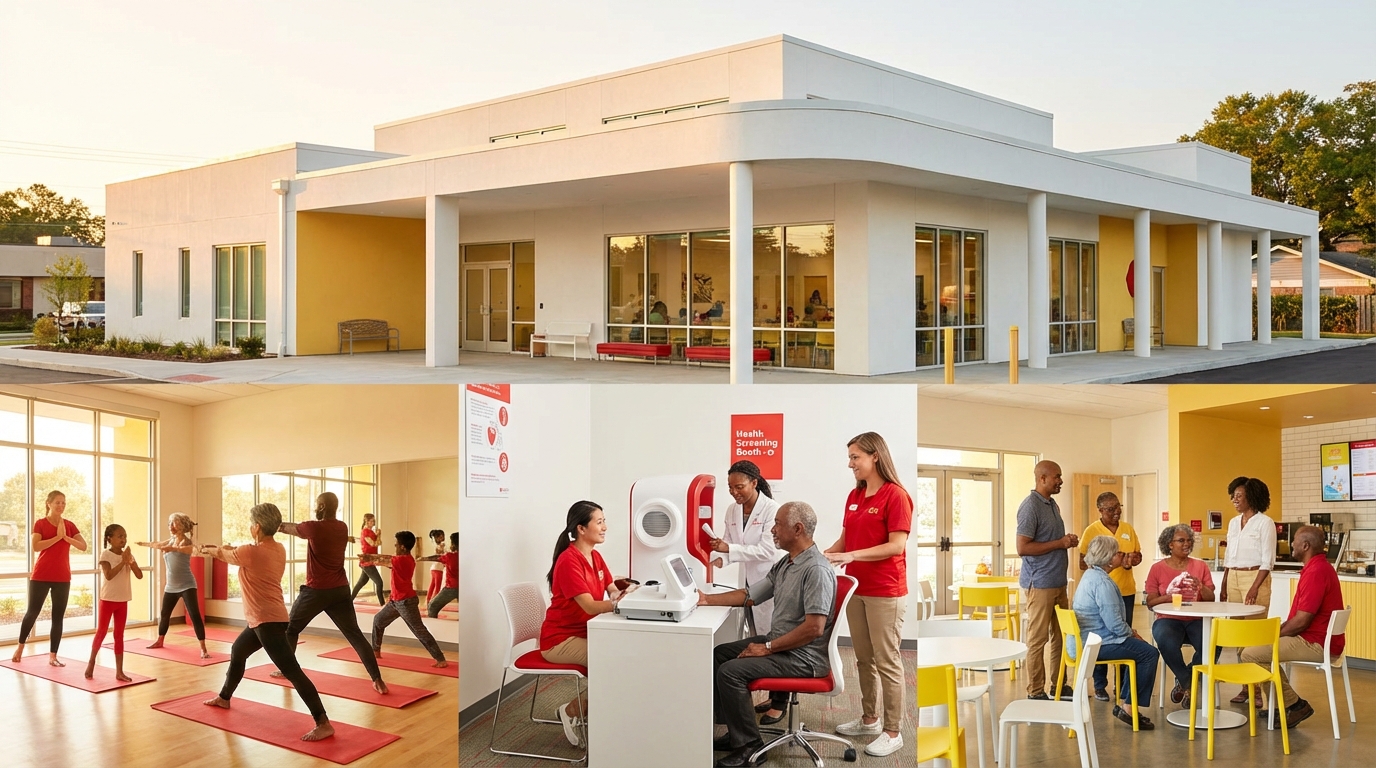
| Health screenings | Blood pressure checks, cholesterol, blood sugar days | Catches problems early and encourages follow up with doctors |
| Vaccination clinics | Flu, COVID, pneumonia, shingles days run by health partners | Makes preventive care simple and less stressful |
| Telehealth rooms | Private space with internet and support staff | Helps people without stable internet reach specialists |
| Nurse or health worker visits | Weekly or monthly onsite hours | Gives a trusted face for questions and basic checks |
When a blood pressure check at a community center reveals a concern, that simple moment can prevent a stroke, a fall, or a hospital stay later.
For many, these services are also a doorway. Someone might come only for a flu shot and end up learning about nutrition classes or caregiver support.
2. Health Education That Feels Human
Medical language can feel cold and confusing. By contrast, community centers often offer health education in a friendlier, slower format:
- Workshops on managing chronic diseases like diabetes, heart disease, asthma, or COPD
- Classes on fall prevention and home safety for older adults and caregivers
- Information sessions about dementia, Parkinson’s, and other conditions that affect daily life
- Nutrition and cooking classes that use local foods and budgets
- New parent and early childhood health classes
These classes usually:
| Feature | Why it matters |
|---|---|
| Small groups | People feel safer asking questions without feeling judged |
| Plain language | Concepts like “A1C” or “ejection fraction” are explained in everyday terms |
| Cultural fit | Examples and foods reflect local traditions and beliefs |
| Repetition over time | People can revisit topics until they really sink in |
For caregivers, this can feel like a lifeline. Instead of leaving a ten-minute medical appointment with a handful of papers, they have a place where they can sit, listen, ask, and return next week if they forget something.
3. Support For Caregivers And Families
Caregivers often give up sleep, social life, and their own health appointments to care for someone they love. Many do not even call themselves “caregivers” at first. They say things like “I am just helping my mom” or “I am just being a good partner.”
Community centers are in a strong position to gently reach these hidden caregivers.
Common supports include:
- Regular caregiver support groups, sometimes focused on dementia, stroke, or cancer
- Stress management and mental health workshops for caregivers
- Information about respite resources, home care agencies, and financial aid programs
- Skill sessions on lifting safely, assisting with bathing, preventing pressure sores, and managing medications
- Family caregiver coaching, where staff help map out a care plan and share tasks across family members
A caregiver who hears “you are not alone in this” in a quiet room at a community center may finally feel safe enough to ask for the help they have needed for months.
These services do not just protect the caregiver’s health. They often improve the care recipient’s safety and comfort as well.
4. Mental Health And Emotional Support
Emotional strain touches nearly every health condition. Anxiety, depression, grief, and trauma often sit just under the surface.
Many people do not feel ready to walk into a therapist’s office, or they live in places where therapists are scarce. Community centers can gently open the door to mental health support by offering:
- Peer support groups for grief, chronic illness, addiction recovery, or caregiver stress
- Mindfulness, relaxation, and breathing classes
- Art, music, and movement programs that help people express emotions safely
- Visits from counselors, social workers, or faith leaders who partner with the center
For someone who has felt dismissed or misunderstood by formal systems, this softer starting point can feel more welcoming. It gives them time to build trust before moving into more formal therapy if needed.
5. Movement, Exercise, And Fall Prevention
Bodies heal better and age more gently when we keep moving, but many people do not feel safe at regular gyms. Cost, loud music, crowds, and lack of disability-friendly equipment can all get in the way.
Community centers often offer:
- Chair yoga, tai chi, and gentle stretching classes for older adults
- Balance and strength programs designed to prevent falls
- Supervised exercise sessions for people with heart disease, arthritis, diabetes, or after a stroke
- Walking clubs that use indoor tracks or safe outdoor routes
- Adaptive fitness programs for people who use wheelchairs or have limited mobility
These programs do more than move muscles:
| Physical benefit | Emotional and social benefit |
|---|---|
| Better balance and strength | Less fear of falling, more confidence to leave home |
| Improved heart and lung health | More energy to see friends, go to events, or visit grandchildren |
| Reduced pain and stiffness | Better mood, less frustration with daily tasks |
For caregivers, these classes can also be woven into respite. While a loved one is in a supervised program, the caregiver might step into a class next door, have a quiet cup of tea, or meet with a social worker.
6. Social Connection As A Health Tool
Loneliness and isolation affect health as strongly as some chronic diseases. Long days alone at home can raise blood pressure, lower mood, and make existing illnesses feel harder to manage.
Community centers quietly fight this by:
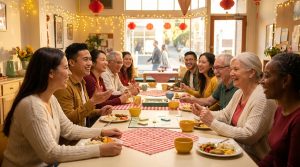
- Hosting communal meals for older adults and people with disabilities
- Offering clubs and interest groups: gardening, crafts, books, music
- Scheduling regular “check in” programs where volunteers call or visit homebound members
- Planning intergenerational events where children, youth, and older adults share time
Sometimes the most powerful “treatment” a community center offers is a steady place to be seen, known, and greeted by name.
For someone living with dementia, a weekly music group at a community center can be the highlight of the week. For a widow who rarely leaves home, a simple lunch with peers can lower the weight of grief for a few hours.
7. Helping People Navigate Complex Health Systems
Many of us have felt lost in phone menus, confused by medical bills, or unsure how to appeal an insurance denial. For someone with limited literacy, language barriers, or cognitive changes, this can be overwhelming.
Community centers often employ or host:
- Community health workers who understand local cultures and can guide families through options
- Social workers who assist with forms, benefits, and referrals
- Volunteers trained to help with portals, appointment scheduling, and telehealth
Common examples of help include:
| Need | How a community center may help |
|---|---|
| Finding a primary care doctor | Staff review local clinics, help make the first call, and explain what to expect |
| Managing medical bills | Staff or volunteers go over bills line by line, identify errors, and assist with charity care applications |
| Applying for disability or long-term care support | Social workers help complete forms and gather needed documents |
| Understanding a new diagnosis | Staff help gather reliable information and prepare questions for the next medical visit |
This type of support can mean the difference between giving up in frustration and getting the care someone needs.
8. Support For Home Accessibility And Aging In Place
Safe housing is a large part of health, especially for older adults and people with disabilities. Community centers are increasingly involved in helping people remain safely in their homes.
This support can include:
- Home safety assessments done by occupational therapists or trained staff
- Workshops on fall prevention and how to arrange furniture, lighting, and pathways
- Information about grab bars, ramps, stairlifts, and accessible bathroom options
- Referrals to local programs that help pay for or install home modifications
- Loan closets for walkers, shower chairs, commodes, and other equipment
For example, a community center might:
| Situation | Center’s role |
|---|---|
| An older adult with repeated falls on the front steps | Connects them with a program that installs a small ramp and handrail, and teaches them safe techniques |
| A stroke survivor struggling with the bathroom | Arranges an occupational therapy visit and lends a raised toilet seat and grab bars |
| A caregiver unsure how to turn a bedroom into a safer care space | Provides a checklist, home visit, and simple changes that reduce strain |
Small changes in the home, guided by community center teams, can prevent falls, hospital stays, and caregiver burnout.
This is where health, caregiving, and home accessibility come together very clearly.
Community Centers, Public Health, And Emergencies
Community centers often serve as trusted hubs when something larger affects the community as a whole.
Public Health Education And Outreach
During outbreaks, heatwaves, poor air quality events, or environmental concerns, community centers can:
- Share clear, plain-language information in multiple languages
- Host Q&A sessions with nurses, doctors, or public health staff
- Distribute masks, water, fans, or filters when available
- Post updated guidance on walls and social media
People may feel more comfortable asking questions in a familiar gym or meeting room than in a government office. That comfort can lead to better understanding and safer choices.
Emergency Response And Recovery
In some areas, community centers are key parts of emergency plans. They may:
- Act as cooling or warming centers in extreme weather
- Provide shelter or staging areas during natural disasters
- Serve as points for medicine refills, oxygen support, or basic medical checks
- Host grief and trauma support groups after crises
For caregivers, it can be reassuring to know in advance where they would go with a loved one who uses a wheelchair, oxygen, or power-dependent devices if the power fails or evacuation is needed.
How Community Centers Partner With Healthcare Providers
Community centers do not replace clinics and hospitals. Instead, they often build partnerships that make care more complete.
Shared Programs And Staff
Partnerships can look like:
- Nurses from a local clinic running blood pressure days at the center
- Physical therapists teaching fall prevention or arthritis exercise classes
- Pharmacists offering medication reviews in a private room on site
- Mental health counselors holding office hours in a quiet corner of the center
This approach benefits both sides:
| For health providers | For community members |
|---|---|
| Better reach into neighborhoods | Less travel and a more relaxed setting |
| More insight into daily living conditions | More chances to ask questions and be heard |
| Improved follow up for at-risk patients | Stronger sense of being cared for, not just treated |
Referral Pathways In Both Directions
Referrals do not only move from doctor to community center. They also move the other way.
- Community center staff may spot concerning symptoms and encourage a medical visit.
- They can help schedule and prepare someone for that visit.
- After the appointment, they can help the person understand instructions and follow them.
For example, a balance class instructor might notice that someone is getting dizzy more often. A gentle private conversation can lead to a clinic referral, which may reveal a heart or blood pressure issue earlier than it might have been caught otherwise.
Benefits For Older Adults And People With Disabilities
Older adults and people with disabilities often face a double barrier: more medical needs and more difficulty reaching care. Community centers can lighten that load in several ways.
Accessible Activities And Spaces
Thoughtful centers pay attention to:
- Ramp and elevator access, including to stages and fitness areas
- Wide doorways and corridors for walkers and wheelchairs
- Accessible bathrooms with grab bars, raised seats, and room to turn
- Good lighting, reduced background noise, and clear signs for people with low vision or hearing loss
These details signal, “You belong here, and we planned with you in mind.”
Programs Tailored To Different Abilities
Programs can be adapted so more people can take part:
- Offering both seated and standing versions of exercise
- Providing quiet rooms or sensory-friendly times for people with autism or sensory sensitivities
- Scheduling shorter sessions with breaks for those with fatigue or pain
- Training staff and volunteers in disability awareness and communication
For caregivers, this can be the first time they see their loved one welcomed, not just tolerated, in a public activity.
Reaching Underserved And Marginalized Groups
Health gaps are often widest in communities facing poverty, discrimination, and underfunded services. Community centers located in these areas can act as steady, trusted anchors.
Building Trust Where Systems Have Fallen Short
Many people, especially from marginalized backgrounds, carry deep mistrust of medical systems. Past harms, discrimination, or lack of respect can make people avoid seeking care until problems become severe.
Community centers, often run by local residents, can help:
- Host listening sessions where people share their experiences with healthcare
- Co-create programs with community members rather than imposing them
- Invite doctors and nurses to meet residents in more equal, informal settings
- Offer health information in multiple languages and formats
When people see their own leaders and neighbors shaping health programs, their sense of ownership and safety rises.
Practical Supports That Affect Health
Many centers also address the social conditions that shape health:
- Food pantries or connections to food assistance
- Help with housing applications and eviction prevention
- Job training and financial counseling
- Legal aid clinics held in partnership with legal services
These services may not look like medicine, but they are tightly linked with whether someone can keep medication cold, eat well with diabetes, or afford a wheelchair ramp.
Challenges Community Centers Face In Health Roles
It would not be honest to say that community centers can easily carry all of this. They face real limits, and as community members and caregivers, we need to be aware of them.
Funding And Staffing Constraints
Many community centers rely on a patchwork of:
- Local government funds
- Grants from foundations
- Donations and fundraisers
- Program fees, which they try to keep low or sliding-scale
This can lead to:
| Challenge | Impact on health services |
|---|---|
| Short-term grants | Helpful health programs may start, succeed, then end when funding runs out |
| Staff turnover | Trusted faces may leave, which can weaken relationships |
| Limited hours | People who work shifts or late hours may have trouble attending |
We should not assume that any center can “do it all.” A healthy approach is to ask what they can realistically offer and how we, as a community, can strengthen that.
Staying Within Their Proper Role
Community centers are not clinics. They should not be expected to diagnose complex conditions or replace medical care. Responsible centers:
- Set clear boundaries around what they can and cannot provide
- Train staff to recognize warning signs that need medical attention
- Build strong referral links to emergency and primary care
- Protect privacy when handling health-related information
If a center starts trying to “do everything” without proper training or partnership, that can become risky. As community members, we can gently encourage centers to focus on connection, education, and support, and to lean on medical partners for clinical decisions.
Accessibility Gaps That Still Need Work
Not all community centers are fully accessible. Some buildings are older or have design limits. Examples of gaps include:
- No elevator in a two-story building
- Bathrooms that cannot fit a power wheelchair
- Lack of automatic doors or door openers
- Limited availability of sign language interpreters or captioning
If you encounter these, it is reasonable to speak up. Change can be slow, but many centers are willing to adapt when they understand the specific barriers and have support to fix them.
How Caregivers And Families Can Use Community Centers Wisely
As caregivers or people managing our own health, we can approach community centers in thoughtful ways that respect their limits while using their strengths.
Finding The Right Center And Programs
You might start by:
- Searching for “community center,” “senior center,” or “family center” along with your town or county
- Calling your local aging services office or disability resource center for referrals
- Checking with libraries, faith communities, or schools, since many share spaces
When you call or visit, you might ask:
- “What health or wellness programs do you offer during the week?”
- “Do you have support groups for caregivers or people with [condition]?”
- “Are your classes accessible for people who use walkers or wheelchairs?”
- “Is there anyone on staff who helps with benefits, housing, or medical paperwork?”
You do not need to know exactly what you need before you walk in. Many community centers are skilled at helping you sort that out.
Combining Community Center Support With Medical Care
A balanced approach might look like:
- Seeing your primary care doctor for checkups, tests, and medications
- Using community center classes to learn how to live with your diagnosis day to day
- Attending exercise programs to support what your physical therapist recommended
- Joining a caregiver group to handle the emotional weight of care
If your doctor is not familiar with your local center, you might gently mention it and ask whether they are open to sharing information or communicating with staff there, especially around exercise or diet programs.
Being Honest About Limits And Needs
It is easy to walk into a community center and say, “Everything is fine,” even when everything is not fine. You may feel like your problems are too heavy. Still, honest sharing, in a safe setting, helps staff connect you with suitable support.
That said, if the center does not have the service you need, or if something feels unsafe or unqualified, it is healthy to say so or to seek help elsewhere. Being grateful for what centers can offer does not mean accepting every suggestion or staying silent about concerns.
How Communities Can Strengthen Their Centers’ Health Role
If you are reading this as a neighbor, caregiver, or local leader, you might be wondering how to support your own center’s role in health.
Listening Before Planning
A strong first step is to listen to those who use the center least, not just those who attend everything. This can involve:
- Holding listening circles with caregivers, youth, older adults, and people with disabilities
- Asking what keeps them away: transportation, culture, cost, fear, or physical barriers
- Inviting honest feedback about what feels welcoming and what feels cold or exclusionary
Real community-led health work does not assume it knows what people need without asking carefully.
Building Gentle Bridges To Health Partners
Instead of waiting for a hospital or clinic to design a program, community centers and residents can:
- Reach out to a nearby clinic to host one small health event, such as a blood pressure day
- Invite a nurse, therapist, or dietitian to speak, with clear direction from residents about what topics matter to them
- Plan regular but modest collaborations rather than rare, large events
Consistency often matters more than size. A monthly presence builds more trust than a once-a-year health fair, no matter how large.
Thinking About The Whole Person
Health is not separate from art, language, or culture. Some of the strongest community center health programs:
- Include traditional foods and cooking in nutrition education
- Use music and storytelling to share information about diseases and prevention
- Invite faith and cultural leaders to co-host conversations about sensitive topics, such as end-of-life care
This approach does not weaken science. It just presents it in ways that feel more connected to people’s daily lives and values.
Looking Ahead: The Growing Role Of Community Centers In Healthcare
Healthcare is under strain in many places. Clinics are busy, staff are stretched, and appointments can feel short. At the same time, more people are living longer with multiple conditions, aging at home, and caring for loved ones with complex needs.
In this space, community centers are not a luxury. They are becoming quiet, practical partners in health.
When we picture modern healthcare, it may help to see not only hospitals and clinics, but also gym floors, community kitchens, craft rooms, and meeting halls where health is quietly practiced every day.
Their strengths sit in:
- Being local, familiar, and less intimidating
- Building trust over long periods of time
- Blending health with social life, learning, and joy
- Honoring the roles of caregivers and the realities of home life
As caregivers, patients, and neighbors, we can support this role by using community centers thoughtfully, sharing honest feedback, and encouraging health systems to treat them as partners, not afterthoughts.
In doing so, we give ourselves and those we care for more places to breathe, learn, and heal together.