
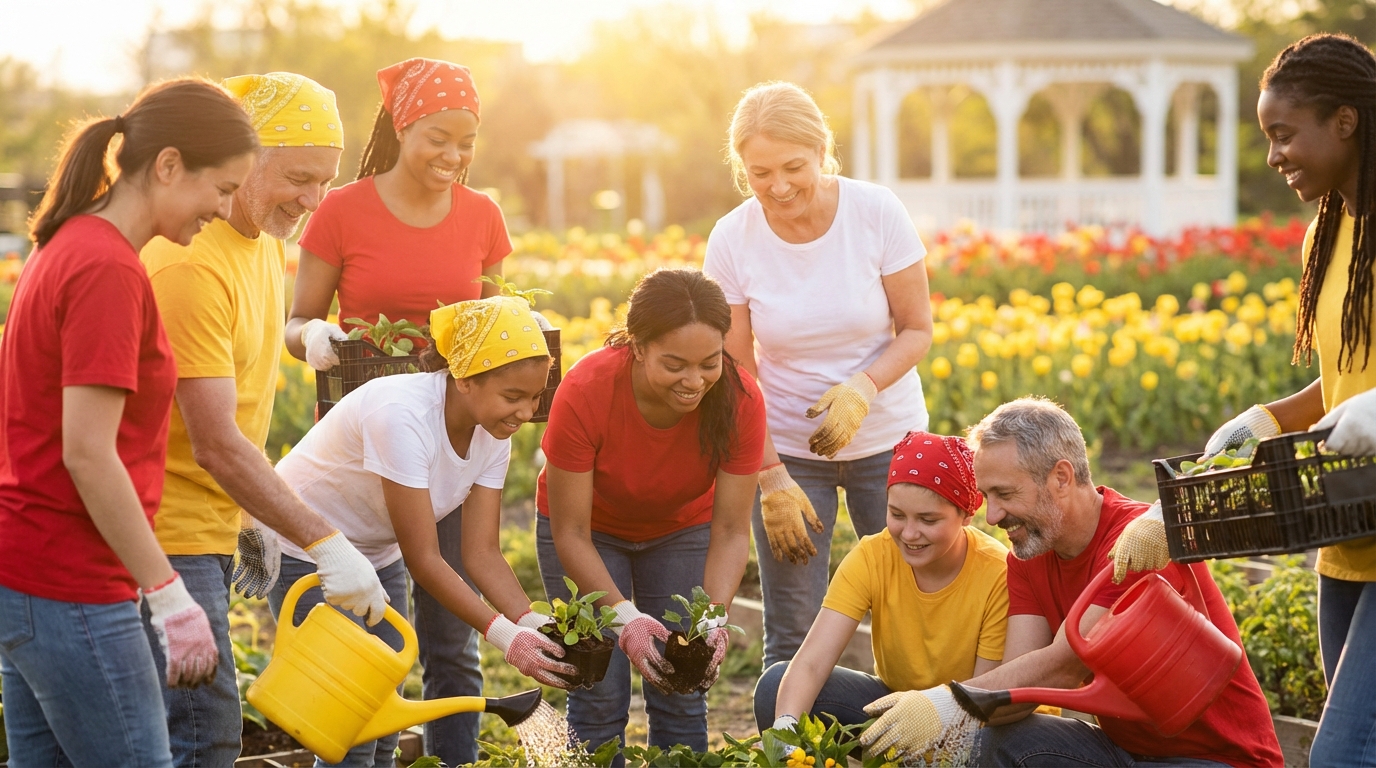
It is not easy to carry so much on our shoulders and still feel like we have anything left to give. Many of us are caring for family, juggling work, or facing our own health challenges, and the idea of volunteering can feel like “one more thing” on an already full plate. Yet there is a quiet truth many of us discover: helping others often helps us just as much, sometimes even more, than we ever expected.
The short answer is that volunteering can calm stress, lift mood, strengthen the brain, improve heart health, and reduce loneliness. When we help, our brains release “feel good” chemicals, our bodies move in gentle ways that support strength and balance, and our hearts open to connection and meaning. The key is to choose the kind of volunteering that fits your energy, your limits, and your life, so that helping others becomes a source of healing instead of another source of strain.
Healthy volunteering is not about pushing yourself harder. It is about finding small, kind ways to connect that leave you feeling more whole, not more worn down.
How Volunteering Touches Our Health: The Big Picture
Before we sort through types of volunteering or practical steps, it can help to understand how deeply giving our time can reach into many parts of our health.
Here are the main areas of health that volunteering can support:
- Mental and emotional health
- Stress and the body’s stress hormones
- Brain health and memory
- Heart health and physical activity
- Loneliness and sense of belonging
- Purpose, meaning, and self-esteem
We often think of volunteering as something we “should” do for others, but the science shows that it can be a gentle medicine for our own minds and bodies as well.
Mental Health: How Helping Soothes the Mind
Many caregivers and community helpers know this feeling well. You might be tired, worried, or low, yet when you show up for someone else, something in you softens. You feel more grounded and less alone. This is not your imagination. There is research behind this.
Here is how volunteering can support mental health:
| Effect | How Volunteering Helps |
|---|---|
| Lower depression risk | Regular volunteers often report fewer depressive symptoms, especially when they feel truly useful and appreciated. |
| Less anxiety | Focusing on someone else’s needs can quiet internal worry and give the mind a break from looping thoughts. |
| Higher life satisfaction | Feeling that our presence makes a difference can create a quiet sense of contentment and pride. |
When we help, our brains release dopamine and endorphins. These chemicals are tied to pleasure, reward, and natural pain relief. Sometimes this is called the “helper’s high.” It is usually gentle, not dramatic, but over time it can change the tone of our days.
For caregivers who feel invisible or drained, volunteering outside the home, even once a month, can remind us that we are more than our tasks. We are neighbors, mentors, listeners, and friends.
You are allowed to choose volunteer roles that fill you up, rather than ones that repeat the same caregiving burdens you already carry at home.
Stress Relief: Giving as a Stress Buffer
Stress is not just a feeling in the mind. It lives in the body as higher blood pressure, tense muscles, shallow breathing, and stress hormones like cortisol staying high for too long. Gentle, meaningful volunteering can help in a few ways:
- Shifting focus: When you are helping someone else, your thoughts move away from your own worries for a while, which can bring short breaks from stress.
- Purpose as a buffer: People who feel that their lives have purpose often handle stress better and recover more quickly from difficult events.
- Support network: Volunteering can connect you with others who notice when you are struggling and can offer small supports, from a kind word to a practical favor.
Of course, if volunteering is poorly matched to your limits, it can add stress instead of easing it. The goal is to find roles that feel like a gentle stretch, not a constant strain.
Brain Health and Memory
Many of us worry about memory and thinking as we age. Social engagement and mentally active tasks are helpful for brain health, and volunteering often includes both.
Here is how certain types of volunteering may support your brain:
- Mental challenge: Learning to use a new phone system at a front desk, planning an event, or helping students with homework keeps the brain active.
- Social interaction: Talking, listening, and solving small problems with others keeps language and reasoning skills engaged.
- Routine and structure: Regular volunteer days create a rhythm that can support focus and reduce mental “fog.”
There have been studies showing that older adults who volunteer regularly often see slower decline in certain thinking skills compared with those who are more isolated. Volunteering is not a cure for dementia, but it can be part of a brain-friendly life, especially when roles are matched to current abilities.
Heart Health and Physical Well-Being
Many volunteer roles include gentle movement, which gives the heart, lungs, and muscles something to do without needing a gym or a formal exercise plan. For example:
- Helping set up chairs for a community event
- Delivering meals to neighbors
- Walking dogs for a rescue group
- Guiding visitors around a museum or clinic
Research has linked regular volunteering with:
| Health Aspect | Possible Benefit |
|---|---|
| Blood pressure | Some people who volunteer regularly see smaller rises in blood pressure with age. |
| Inflammation | Lower chronic inflammation has been seen in some long-term volunteers, which may relate to lower disease risk. |
| Pain | The “helper’s high” and sense of meaning can make chronic pain feel more manageable, even if the pain itself is still present. |
For people with mobility limits or chronic illness, very light, seated volunteering can still support circulation, posture, and energy. Phone support, letter writing, and online roles can include gentle stretching or movement breaks.
If you live with pain, fatigue, or disability, you still have a place in service; the right role will respect your body and your limits while honoring your gifts.
Loneliness, Connection, and Belonging
Loneliness is more than sadness. It can affect sleep, immune function, and even heart health. Many caregivers, older adults, and people with disabilities feel cut off, even if they are around others all day.
Volunteering can reduce loneliness by:
- Giving regular contact with people who share similar values
- Creating small routines, like “seeing the same faces every Tuesday morning”
- Offering chances for real conversations, not just quick small talk
You can think of it as a shared circle. Everyone who volunteers or receives help is part of a community where people notice each other and care if someone does not show up.
Purpose, Identity, and Self-Worth
Many of us go through seasons where our roles change. Retirement, job loss, illness, children moving away, or the end of an intense caregiving chapter can leave us wondering, “Who am I now?”
Volunteering can gently answer that question:
- You are the person who helps read to children at the library.
- You are the trusted phone companion for a homebound neighbor.
- You are the steady presence at a support group’s sign-in table.
These roles can restore a sense of usefulness and dignity. For someone who has felt reduced to “the patient” or “the caregiver,” having a title like “mentor,” “peer support volunteer,” or “team lead for meal delivery” can feel deeply healing.
Feeling needed is not vanity; it is a human need. Volunteering can remind you that you still matter, right now, exactly as you are.
Choosing Volunteer Work That Supports Your Health (Not Hurts It)
Many caring people run into a serious trap: we say “yes” to everything. We absorb gaps in the schedule, cover for others who step back, and push past our own warning signs.
Volunteering can only support health when it respects our limits. It might help to think about three questions before agreeing to a role:
1. What Is My Real Capacity Right Now?
This can be hard to face honestly, especially for those of us who are used to being “the strong one.” Yet honesty here protects both you and the people you want to help.
Ask yourself:
- How many hours a week can I truly offer without feeling resentful or exhausted?
- What time of day do I usually have the most energy?
- What physical limits do I have (standing, walking, lifting, driving, concentration)?
- Are there certain kinds of emotional situations that leave me drained or triggered?
You might find it helpful to start small. For example, try one 2-hour shift every other week and see how you feel after a month. You can always add more; it is much harder to pull back once you have become the person everyone counts on.
2. What Kind of Helping Matches My Personality and Health?
Volunteering is not one single thing. It can be active or quiet, public or behind the scenes, emotional or more task-focused. The closer the match, the more nourishing it will feel.
Here are some examples of matches:
| If you are… | You might enjoy… |
|---|---|
| Introverted, like calm spaces | Data entry, preparing mailings, organizing supplies, making comfort kits, remote support by phone or video. |
| Very social, enjoy conversation | Friendly visiting, welcoming people at front desks, mentoring youth, leading small groups. |
| Physically active | Meal delivery, building or home repair teams, walking dogs, setting up and breaking down events. |
| Living with limited mobility or chronic illness | Peer support calls, online tutoring, advocacy work from home, letter-writing to isolated elders or hospitalized children. |
| Detail-focused | Helping with paperwork, scheduling, record-keeping for small community groups, supporting grant applications or reports. |
If you are a caregiver, it may be wise to avoid volunteer roles that mirror your home tasks too closely, like personal care or heavy emotional support, unless you feel very called to that and have good backup for your own needs.
3. What Boundaries Do I Need To Stay Healthy?
Healthy volunteering means you give from your “overflow,” not from your last drop. Boundaries are how you protect that.
You might set boundaries around:
- Time: “I can volunteer on Wednesdays from 9 to 12, but not on evenings or weekends.”
- Tasks: “I am comfortable with companionship and conversation, but not with bathing or medical tasks.”
- Contact: “Please do not give my personal phone number to clients; they can reach me through the program.”
- Emotional load: “I can be present and listen, but I cannot promise to be available in a crisis outside my shift.”
If a coordinator does not respect these boundaries, or if you feel pressured to ignore your health needs, that may be a sign that the role is not right for you at this time.
Saying “no” to the wrong fit creates room to say “yes” to the roles where your health and your gifts can grow together.
Types of Volunteering and How They Impact Health
Different volunteer settings touch health in different ways. You might recognize yourself in more than one of these options.
Social and Companionship Volunteering
These roles focus on spending time with people who are lonely, ill, or in long-term care.
Examples include:
- Friendly visiting programs for seniors or people with disabilities
- Hospital or hospice volunteers who sit, read, or talk with patients
- Telephone reassurance calls to people living alone
- Peer support groups for caregivers or people living with chronic illness
Health benefits can include:
- Lower loneliness and a stronger sense of social support
- Improved mood and reduced feelings of isolation
- Better listening and empathy skills that can help in your own relationships
For some, this kind of emotional closeness can feel heavy, especially if they have fresh grief or trauma. It is okay to choose other roles if this feels like too much for your heart right now.
Practical, Hands-On Volunteering
These roles involve doing concrete tasks that help others directly.
Examples:
- Delivering groceries or medications to those who cannot leave home
- Preparing, serving, or packing meals for a food program
- Helping with small home repairs or yard work for elders or people with low income
- Sorting donations at a clothing or supply bank
Possible health effects:
- Light physical activity that supports strength and heart health
- A strong sense of usefulness and visible impact (“I can see what I helped make possible”)
- Better sleep and appetite from moving more and keeping a schedule
If you have joint issues, heart disease, or balance problems, a talk with your clinician about safe limits before starting more active roles can protect you from injury.
Advocacy and Education Volunteering
These roles focus on changing systems, raising awareness, or offering information.
Examples:
- Speaking about your caregiving story at community events
- Helping people understand benefits, housing, or health care options
- Organizing letter-writing campaigns or meeting with local officials about accessibility or caregiving issues
- Teaching workshops on fall prevention, dementia awareness, or caregiver self-care
Health benefits:
- Strong sense of purpose, especially for those who have felt powerless
- Mental stimulation from planning, speaking, and problem-solving
- A feeling that your struggles are being turned into something that helps others, which can reduce bitterness or helplessness
These roles can bring exposure to emotionally heavy stories and sometimes frustration when change feels slow. Having your own support system in place is important.
Remote and At-Home Volunteering
For people who are homebound, caregivers with limited respite, or those with weak immune systems, remote roles can still offer many of the same health benefits.
Examples:
- Friendly phone calls or video visits
- Online tutoring or mentoring for students
- Managing a website, newsletter, or social media for a local group
- Translating documents or offering language support
- Writing cards for people in hospitals, long-term care, or deployed service members
Health effects:
- Reduced loneliness and stronger sense of connection, without the strain of travel
- Gentle structure for days that might otherwise blur together
- A way to contribute even when physical energy is low
For mental health, remote volunteering can be especially supportive during times of grief, illness flare-ups, or recovery from surgery, when leaving the house is hard but connection is still needed.
Special Considerations For Caregivers
Caregivers already give a great deal. When someone suggests volunteering “on top of that,” it can feel almost offensive or impossible. Yet for some caregivers, the right kind of volunteering brings healing rather than extra burden.
When Volunteering Can Help Caregivers
Healthy forms of volunteering for caregivers often:
- Offer a change of setting, even for an hour or two
- Connect you with others who understand caregiving stress
- Allow you to use different skills than you use at home
- Give you a sense of progress when caregiving at home feels stuck or unchanging
Examples:
- Helping with a caregiver support group’s check-in, refreshments, or resource table
- Serving on a family advisory council at a clinic or hospital
- Sharing your experience on a panel or in a training for care staff
- Offering brief, structured peer support calls for new caregivers, with clear time limits
These roles can turn your hard-earned experience into guidance for others, which can bring a sense of meaning to struggles that may have felt senseless.
When Volunteering May Be Too Much For Caregivers
There are times when adding any extra commitment is not wise:
- If you are sleeping poorly almost every night
- If you feel resentful or angry most of the time
- If you are neglecting your own medical appointments
- If you feel you might “snap” at the smallest request
In such seasons, self-care and seeking help for your own load may be more healing than volunteering. It is not selfish to say, “Right now my service is what I do at home. That is enough.”
Making Volunteering Safe and Sustainable For Your Health
Once you have a sense of what kind of role might fit, you can take a few steps to protect your health while you serve.
Talk With Your Clinician Or Therapist
Before starting a new volunteer commitment, you might talk with:
- Your primary care clinician about physical limits, like lifting or standing
- Your mental health clinician or counselor about emotional triggers and warning signs
You can ask clear questions, such as:
- “I am thinking of helping at a food pantry. That means lifting light boxes and standing for 3 hours. Does that sound safe for my back and my heart?”
- “I want to volunteer on a crisis phone line. Given my history of depression, what signs should I watch for that it is too much?”
Their guidance can help you choose roles that stretch you gently without risking harm.
Start Small and Review Regularly
Rather than jumping into a large weekly commitment, you might:
- Try a one-time event first
- Start with once-a-month shifts
- Agree to a 3-month trial period with a check-in at the end
Every few weeks, you can ask yourself:
- Do I feel more tired or more alive after my volunteer time?
- Has my sleep, mood, or pain changed since I started?
- Do I feel respected by the organization and supported when I raise concerns?
If the role is harming your health, you are allowed to adjust or stop. Service built on self-sacrifice that leads to collapse serves no one well over time.
Build In Recovery Time
After volunteering, give yourself space to transition. That can look like:
- Sitting quietly with a cup of tea or water for 10 minutes
- Writing a few lines in a journal about the day, especially any strong feelings
- Taking a short walk or stretching to release tension
- Talking with a trusted friend or fellow volunteer to process hard moments
This is especially helpful for emotional or grief-filled roles, such as hospice volunteering or crisis support. Without recovery time, stress can build quietly over months.
Know the Signs of Burnout in Volunteering
We often hear about burnout in jobs, but volunteers can experience it too. Warning signs include:
- Dreading a shift you used to enjoy
- Feeling numb or cold toward people you are trying to help
- Snapping at family or friends after a volunteer day
- Using food, alcohol, or screens heavily to “numb out” after helping
- More headaches, stomach aches, or flare-ups of chronic conditions
If you notice these, it might help to:
- Talk honestly with a coordinator about adjusting your role
- Reduce hours or take a planned break
- Seek support from a counselor, especially if you hear many painful stories
Burnout is not a personal failure. It is a signal that something in the balance of giving and receiving needs to change.
Volunteering Across Different Stages of Life and Health
Our capacity and needs change with time. Volunteering can change with us.
Young Adults and New Volunteers
For younger people or those new to volunteering, service can:
- Support mental health during stressful life changes
- Build skills and confidence that carry into work and relationships
- Introduce healthy role models and supportive networks
If someone is living with anxiety, depression, or ADHD, starting with well-structured roles such as tutoring, event setup, or animal care can be grounding. It helps when expectations are clear and supervision is kind and steady.
Middle Age and “Sandwich Generation” Helpers
Many in midlife are supporting both children and aging parents. Time is tight, and stress can be high.
Volunteering in this season might look like:
- Short-term projects or one-day events
- Family volunteering where children can join, such as meal packing or neighborhood cleanups
- Roles that understand and accept cancellations for caregiving crises
The health benefit here often comes from feeling that life is about more than endless tasks, and that children see kindness and service as a normal part of life.
Older Adults and Retirees
Retirement can create large open spaces in a week, while physical limits may increase. Volunteering can fill those spaces with purpose and structure.
For older adults, service can:
- Support cognitive function and memory
- Reduce fall risk by encouraging gentle movement and social engagement
- Protect against loneliness and depression
It helps when organizations:
- Offer seated options or short shifts
- Provide clear tasks with patient training
- Respect the wisdom and experience of older volunteers, not just their time
People Living With Chronic Illness or Disability
Some people feel that illness or disability bars them from helping others. In truth, many of the most powerful volunteers are those who know pain firsthand.
Health-supportive roles can include:
- Peer mentoring for others with the same condition
- Online support group moderation, with clear backup and time limits
- Advisory roles to help clinics, nonprofits, or city planners understand accessibility needs
- Creative projects such as making blankets, cards, or art for patients or residents
The key is flexibility. Some days you may have more to give; other days less. Programs that allow for this ebb and flow will protect your health and still benefit from your presence.
Your health history does not disqualify you from giving. It shapes the kind of wisdom and compassion you bring to the work.
Finding Volunteer Opportunities That Respect Health and Accessibility
If you are ready to explore options, it can help to know where to look and what to ask.
Where To Look For Roles
You might start with:
- Local community centers, libraries, or faith communities
- Hospitals, clinics, or hospice programs
- Organizations focused on aging, disability, or caregiving
- Schools, after-school programs, or adult education centers
- Animal shelters or rescue groups
- Mutual aid groups in your neighborhood or housing complex
There are also websites that list opportunities by location and interest. Many allow you to filter by “remote,” “short-term,” or “accessible.”
Questions To Ask Before You Commit
A short conversation with a volunteer coordinator can protect your health. You might ask:
- “What is the typical schedule and how flexible is it?”
- “What physical tasks are involved? Is there sitting, lifting, or a lot of walking?”
- “What kind of training and support do volunteers receive?”
- “If my health or caregiving situation changes, how do we handle that?”
- “Are there quiet roles or behind-the-scenes tasks for days I have less energy?”
Listen to how they respond. A thoughtful, understanding answer is a good sign. If you feel brushed off or pressured to give more than you say you can, it may not be the right place.
Accessibility and Inclusion
For people with mobility needs, sensory sensitivities, or other access needs, certain details matter a great deal:
- Is there step-free access and working elevators?
- Are there accessible restrooms and seating options?
- Can instructions be given in plain language or in large print if needed?
- Are staff and other volunteers open to basic disability awareness training?
Sometimes, raising these questions starts helpful change not only for yourself but for other volunteers and community members in the future.
Letting Volunteering Heal You, Not Break You
Volunteering can be a gentle medicine for body, mind, and spirit. It can lower stress, support brain and heart health, ease loneliness, and restore a sense of purpose. At the same time, saying “yes” without boundaries or self-awareness can lead to strain, exhaustion, or burnout.
The healthiest path usually looks like this:
- Honest awareness of your current limits and needs
- Careful choice of roles that match your energy, abilities, and temperament
- Clear communication and boundaries with organizations and coordinators
- Regular check-ins with yourself, and a willingness to adjust course
If you are feeling worn down or uncertain about where you fit, you might start with something small and gentle: writing a card, making one supportive phone call, helping once with a local event. See how your body and heart feel afterward.
You do not have to fix the whole world. When you let service be a two-way current, where care flows to you as well as from you, volunteering can become one of the quiet supports that keeps you steady through the hardest seasons.