
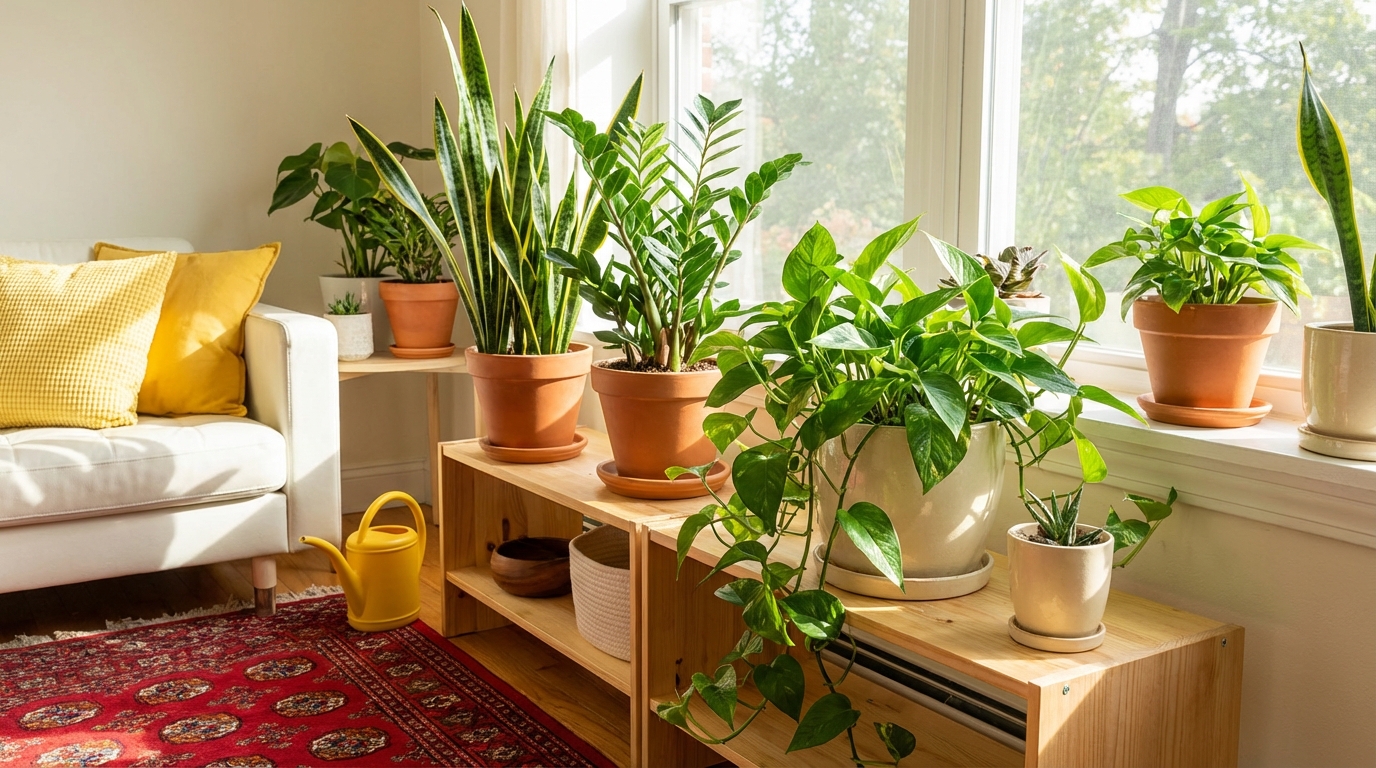
Some days, a room can feel a little too quiet, a little too plain, or a little too heavy, especially when we spend much of our time caring for others or managing health needs at home. Many of us long for something small and living in the corner, on the windowsill, or next to a favorite chair that reminds us to breathe, look up, and feel a bit of calm. That is where gentle, low-care indoor plants can bring real comfort.
If you are looking for a short answer: yes, there are many indoor plants that stay forgiving, need very little day‑to‑day care, and can still brighten a room in a meaningful way. The easiest choices for most homes are snake plants, pothos, ZZ plants, peace lilies, and certain small palms or succulents. If you choose plants matched to your light, give them a simple watering routine, and keep safety in mind around children, pets, or frail adults, they can add color, life, and a sense of peace without adding much to your workload.
When our days already feel full, we do not need perfect plants; we need gentle, sturdy ones that fit into a real home with real people and real challenges.
We will walk through gentle options, safety tips, and simple routines so that your plants lift your mood instead of adding one more thing to worry about.
How Indoor Plants Can Support Caregivers and Home Life
When we think about indoor plants, it is not only about decoration. For caregivers, older adults, or anyone living with health concerns, a little greenery can have a much deeper purpose.
- They can soften the feeling of medical equipment or supplies in a room.
- They can give a small daily ritual that is about growth, not decline.
- They can bring a sense of outdoors to those who cannot get outside often.
- They can be a gentle conversation starter for visitors or home aides.
A plant in the room can feel like a quiet companion, asking very little and offering a steady sense of life and continuity.
Many caregivers tell me that looking at a deep green leaf or watching a new shoot open brings them a moment of joy that feels out of proportion to how small that plant is. In a season of medical appointments, medications, and constant decisions, that moment matters.
Emotional Benefits
Indoor plants can help us:
- Feel a bit calmer during stressful days.
- Mark the passing of time in a gentle way as we watch them grow.
- Shift our focus for a few minutes away from worry and toward care and nurturing.
- Create a softer, more welcoming environment for someone who is recovering or aging at home.
Many people caring for a parent or a partner say that watering a plant is one of the few tasks that feels peaceful, slow, and not urgent. It is an act of care without pressure.
Practical Benefits
Some plants can help:
- Soften harsh lighting or empty corners with greens and interesting shapes.
- Protect privacy when placed on a windowsill or near a window.
- Cover or distract from less attractive medical devices or cords, as long as safety is kept in mind.
While some plants can slightly improve indoor air quality, the bigger impact is usually visual and emotional. The way a plant changes the feeling of a room can be just as valuable as small changes in the air.
Important Safety and Accessibility Considerations
Before we talk about specific plants, it helps to gently think through a few practical questions, especially in a caregiving home.
Safety Around Children, Pets, and Vulnerable Adults
Some common houseplants can be toxic if eaten. In a home with young children, curious pets, or adults who may have dementia or impaired judgment, this matters.
A safe plant is one that not only looks lovely but also can sit in your home without you needing to worry about someone touching or tasting a leaf.
Here are key points to keep in mind:
- Check toxicity: Before bringing in a plant, look up whether it is toxic to cats, dogs, or humans.
- Placement: If a plant is mildly toxic, keep it out of reach and out of usual walking paths.
- Fragility: Avoid heavy pots in high‑traffic paths where walkers, wheelchairs, or oxygen tubing might catch on them.
If you have any doubt about safety with dementia, swallowing risks, or intense curiosity from pets, it is usually kinder to choose fully non‑toxic plants or keep plants behind a barrier or in a room that you can supervise.
Accessibility for Caregivers and Older Adults
If you or the person you care for has limited mobility, low vision, or balance concerns, the way you set up plants matters as much as the choice of plant.
| Need | Helpful Plant Setup |
|---|---|
| Limited bending or reaching | Place plants on stable tables or stands at waist or chest height, not on the floor. |
| Wheelchair or walker use | Keep walkways clear; place plants where they will not snag wheels or handles. |
| Low vision | Choose plants with bold shapes or stronger color contrast, and bright, simple pots. |
| Memory issues | Use a simple watering schedule with clear reminders instead of many plants with different needs. |
To reduce spill risks, you might use:
- Lightweight plastic pots inside heavier decorative covers.
- Leak‑proof saucers under pots to catch extra water.
- Small, easy‑to-hold watering can or even a cup with a handle.
Choosing Low‑Maintenance Indoor Plants to Brighten a Room
Now we can look at gentle plants that fit busy and sometimes unpredictable lives. All of these are general suggestions; local conditions vary, but these plants tend to forgive small mistakes.
In a caregiving home, the “right” plant is not the rarest or most impressive; it is the one that stays with you through missed waterings and uneven light and still keeps offering green.
Snake Plant (Sansevieria, often called Dracaena trifasciata)
Snake plants are among the most forgiving indoor plants, which makes them well suited for caregivers and anyone who might miss a watering here and there.
Why they help brighten a room:
- Tall, upright leaves add structure and presence, even in small spaces.
- Leaves come in patterns of deep green, silver, and yellow that catch the eye without being too bold.
- They fit well in corners, beside armchairs, or near the edge of a window.
Care basics:
- Light: Tolerates low to bright, indirect light. Does not need a sunny window.
- Water: Let the soil dry out almost fully between waterings. In many homes, that means every 2 to 4 weeks.
- Soil: Well‑draining potting mix; a cactus mix works nicely.
- Pot: Pot with a drainage hole and a saucer under it.
Caregiver‑friendly features:
- Forgives forgetfulness; it is harder to kill by underwatering than by overwatering.
- Can stay in the same pot for a long time without repotting.
- Leaves are sturdy and do not shed much, which cuts down on cleanup.
Safety note: Mildly toxic if eaten. Best kept out of reach from pets or small children who chew on plants.
Pothos (Epipremnum aureum) and Heartleaf Philodendron
Trailing plants like pothos and heartleaf philodendron bring soft movement and a lush feeling. They are popular in living rooms and bedrooms because they drape so gently.
Why they help brighten a room:
- Trailing vines can soften shelves, bookcases, and window ledges.
- Variegated types have splashes of yellow, white, or light green that brighten low‑light corners.
- They create a sense of fullness with relatively little plant mass.
Care basics:
- Light: Low to medium, indirect light. Variegated types like a little more light.
- Water: Water when the top inch of soil feels dry. This usually means once a week or so, depending on your home.
- Soil: Regular indoor potting mix.
- Extra care: Trim long vines when they get too long; you can root cuttings in water if you wish.
Caregiver‑friendly features:
- Visibly droops a bit when thirsty, which can be a helpful cue.
- Very tolerant of missed waterings and uneven light.
- Easy to share cuttings with friends, family, or care staff, building a sense of community.
Safety note: Toxic if eaten by children or pets, so best placed up high or behind a short barrier in homes with chewing risks.
ZZ Plant (Zamioculcas zamiifolia)
The ZZ plant has shiny, deep green leaves on sturdy stems. It often looks almost unreal because of how glossy it is.
Why it helps brighten a room:
- Reflective leaves catch light and bring a subtle shine to darker spaces.
- Compact shape sits nicely on side tables, dressers, or window sills.
- New shoots push up from the soil in a way that is easy to notice and enjoy.
Care basics:
- Light: From low to bright, indirect light. Avoid harsh direct sun.
- Water: Infrequent needs. Let the soil dry well. Usually every 3 to 4 weeks.
- Soil: Well‑draining potting mix, similar to snake plants.
Caregiver‑friendly features:
- Handles neglect better than most plants.
- Roots store water, so it does not suffer quickly if you forget to water.
- Grows slowly, so you do not need to repot often.
Safety note: Toxic if eaten. Keep away from pets, children, or adults who may mouth leaves.
Peace Lily (Spathiphyllum)
Peace lilies are loved in caregiving spaces, partly because they are often given as sympathy or get‑well plants. Their white blooms and deep green leaves suggest calm and gentleness.
The white flowers of a peace lily can feel like a small symbol of hope in a room that holds both worry and love.
Why it helps brighten a room:
- White, sail‑like flowers stand out against green leaves, adding lightness.
- Leaves are lush and wide, giving a fuller, more complete look.
- They fit well on the floor in a corner or on a small stand.
Care basics:
- Light: Prefers medium, indirect light. Can handle lower light but may bloom less.
- Water: Likes soil to be lightly moist but not soggy. It will droop clearly when thirsty and perk up after watering.
- Soil: Regular potting soil with good drainage.
Caregiver‑friendly features:
- Gives clear signals when it needs water, which can remove guesswork.
- Bigger plants can visually fill an empty area quickly.
Safety note: Toxic if eaten. Also, some sensitive people may react to the sap. Good placement and supervision help a great deal here.
Cast Iron Plant (Aspidistra elatior)
The common name “cast iron plant” comes from its hardiness. It survives neglect, low light, and uneven care better than many houseplants.
Why it helps brighten a room:
- Large, deep green leaves provide a calm backdrop in a room.
- Variegated varieties add gentle stripes of cream or light green.
- Gives a sense of “green presence” in dim corners where other plants might struggle.
Care basics:
- Light: Low to medium, indirect light.
- Water: Let the top portion of soil dry between waterings. Overwatering is more harmful than underwatering.
- Soil: Houseplant potting mix that drains well.
Caregiver‑friendly features:
- Slow growing, with little need for repotting.
- Very forgiving of missed waterings.
Safety note: Often listed as non‑toxic, but always best to avoid chewing or eating for any plant.
Spider Plant (Chlorophytum comosum)
Spider plants are known for their arching leaves and little “baby” plantlets that dangle down from the mother plant.
Why it helps brighten a room:
- Variegated leaves with light stripes bring brightness to shelves and hanging baskets.
- Plantlets create a playful, gently cascading effect.
- Looks cheerful in kitchens, bathrooms, or beside a window.
Care basics:
- Light: Bright, indirect light is ideal, but they tolerate moderate light.
- Water: Water when the top inch of soil is dry. They like regular, moderate watering.
- Soil: Standard potting mix.
Caregiver‑friendly features:
- Plantlets can be shared or moved, which can be heartwarming in a care community.
- Visibly shows stress, giving you a chance to adjust care before it declines.
Safety note: Generally non‑toxic to pets and people, which makes it a good choice where safety is a strong concern.
Succulents and Small Cacti
Succulents and cacti can be charming, compact companions, especially near sunny windows.
Why they help brighten a room:
- Many have interesting shapes and pastel or bright colors.
- They fit on small ledges, trays, and window sills where space is tight.
- Grouped together, they can create a mini “desert garden” that feels playful and hopeful.
Care basics:
- Light: Prefer bright light, often direct sun for several hours.
- Water: Infrequent watering. Let soil dry fully, then water thoroughly. Often every 2 to 4 weeks.
- Soil: Cactus or succulent soil that drains very quickly.
Caregiver‑friendly features:
- Very low water needs can match busy or unpredictable schedules.
- Small size makes them easy to move or rearrange.
Safety note: Some cacti have sharp spines. In homes with poor vision, unsteady hands, or children, spineless succulents may be safer than cacti with sharp spines.
Matching Plants to Your Home’s Light and Routine
Many plant struggles begin not with watering, but with light. For a low‑stress experience, we can start with the light you have, and then choose plants that are happy with it.
Understanding Your Light in Simple Terms
You do not need a light meter. Here is a gentle way to think about light levels.
| Light level | Signs | Good plant choices |
|---|---|---|
| Low light | Room feels somewhat dim; you might turn on lights during the day. | Snake plant, ZZ plant, cast iron plant, darker pothos. |
| Medium light | Room is bright enough to read easily without lights, but no harsh direct sun on surfaces. | Pothos, philodendron, peace lily, spider plant, many palms. |
| Bright, indirect light | Near a sunny window, but plants not in the direct beam for many hours. | Most common houseplants, including many flowering types. |
| Direct sun | Sunlight falls straight onto the plants for several hours. | Succulents, cacti, some herbs. |
If your main care space, such as a bedroom or living room, has lower light, it is kinder to choose plants that do not need a sunny window to stay healthy.
Choosing Plants That Fit Your Routine
It can help to be honest about how much energy and memory you and your household have for plant care. Plants should adapt to your life, not the other way around.
- If you often forget watering: Snake plant, ZZ plant, cast iron plant, and many succulents are more forgiving.
- If you enjoy a weekly ritual: Pothos, spider plants, and peace lilies can fit into a weekly check‑in routine.
- If multiple people share care: Choose plants that show clear signs when they need water, so everyone has the same cues.
The healthiest plant in a caregiving home is the one that fits the rhythm of your real days, including the messy and tired ones.
You might even write a small label on each pot: “Water every 2 weeks” or “Check soil every Sunday.” This reduces decision fatigue and keeps care simple.
Simple, Low‑Stress Plant Care Routines
Many people worry that they will “kill” houseplants, which can feel like one more failure in a life already full of responsibilities. A gentle, clear routine can remove much of that fear.
Watering Without Worry
A few guiding ideas help most low‑maintenance plants:
- It is usually kinder to underwater a little than to overwater, especially for snake plants, ZZ plants, and succulents.
- Use your finger to check the top inch of soil. If it feels dry all the way down to that depth, it is usually safe to water.
- Water slowly until some drains out the bottom, then empty the saucer after a few minutes to prevent roots from sitting in water.
You might set:
- A reminder on your phone once a week: “Check plants”. Not “water”, just “check”.
- A small calendar on the fridge where you mark the last watering day.
For care partners or home health aides, a short list such as “On Thursday, please check the spider plant and peace lily; water if soil is dry” can be helpful and realistic.
Light and Placement for Safety and Comfort
When choosing where to place a plant, we can think about both light and how people use the space:
- Keep plants away from direct heating or cooling vents, which can dry them out or chill them.
- Place plants where they will not interfere with walkers, wheelchairs, or oxygen tubing.
- Choose stable surfaces that do not wobble if someone leans on them.
For bedrooms where someone spends much of the day:
- A small plant on a bedside table can offer comfort, but keep it clear of medical equipment and space needed for care.
- Plants on window sills might need to be moved during curtain or blind use; choose light pots that are easy to shift.
Cleaning Leaves Gently
Dust can build on leaves, especially in homes with medical equipment or limited window opening. Dusty leaves cannot take in light as well.
You might:
- Use a soft, damp cloth to gently wipe larger leaves every month or so.
- Use a soft brush or small paintbrush for delicate leaves or succulents.
This can be a soothing activity for someone who wants a simple, meaningful task. It gives a sense of caring for something living, with a clear beginning and end.
Creating a Calming, Green Corner in a Caregiving Home
In many caregiving homes, space feels crowded with supplies and equipment. A small green corner or cluster of plants can create a different feeling without taking over the room.
Plant Placement Ideas
Here are some gentle ways to arrange plants:
- By a reading chair: A snake plant on the floor and a small pothos on a side table can frame a cozy spot.
- In a bright kitchen: A spider plant in a hanging pot and a few small succulents near the window can lighten meal times.
- Near a window in a care bedroom: A peace lily or cast iron plant can soften the view of outside while still letting light in.
If you care for someone who spends many hours in one room, you might place one or two plants where they can see them from the bed or favorite chair without needing to move.
Accessibility‑Focused Arrangements
To keep things easy and safe:
- Group plants on a single sturdy tray or table that can be turned slightly for watering and cleaning.
- Use plant stands that are heavy enough not to tip if gently brushed.
- Avoid hanging plants in doorways or where taller people might bump their heads.
For someone who likes to help but cannot stand for long, bringing a plant to a table for watering can make the task more comfortable. A tray that slides or a light stand with wheels can help if safe to move.
Low‑Maintenance Plants for Special Care Situations
Different health conditions can shape the best plant choices. We can be thoughtful about that from the start.
For Homes with Dementia or Cognitive Changes
In these homes, we look closely at safety and simplicity.
Helpful guidelines:
- Favor non‑toxic options such as spider plants and some herbs.
- Avoid plants with small berries, bright tempting fruit, or sharp spines.
- Limit the number of plants, so care does not become confusing or overwhelming.
- Use clear labels: “Look, do not eat” or “This is for looking and touching only.”
Plants can also support gentle activities:
- Wiping leaves.
- Helping pour a small amount of water into the soil with guidance.
- Talking about plant memories from earlier life, such as gardens or farms.
For Homes with Respiratory Issues or Allergies
Some families worry about mold or pollen around plants.
To lower risks:
- Use high‑quality, fresh potting soil and do not overwater, which can create soggy conditions.
- Avoid very large collections of plants in small, poorly ventilated rooms.
- Choose plants that are not heavy pollinators; many common foliage houseplants are fine.
If someone has strong allergies, you might start with just one or two plants and see how they respond.
For Homes with Limited Strength or Chronic Pain
When lifting or bending is a challenge, the setup around plants matters greatly.
You might:
- Use small to medium pots instead of large, heavy containers.
- Place plants near a water source to avoid carrying large watering cans.
- Use a light cup or bottle for watering that is easy on the hands and wrists.
If you are caring for someone with chronic pain, simply watching you tend one or two plants can feel like a shared ritual. It can open gentle conversation about how both of you are doing.
Involving the Person You Care For
Plants can help someone feel more involved in their own space, even when illness or age has taken away many other roles.
Simple, Meaningful Roles
Depending on ability and interest, someone might:
- Choose the color of the plant pot.
- Name the plant and talk about it as it grows.
- Help water with a small cup while you guide the amount.
- Wipe leaves slowly during a calm part of the day.
Even a few minutes caring for a plant can remind a person that they still have something to offer, and that they are not only the one being cared for.
For some, tracking plant growth in a simple notebook or calendar can bring satisfaction and a gentle sense of purpose.
Using Plants in Gentle Activity Sessions
In family homes or small care settings, plants can support:
- Short “garden time” visits where you sit together, notice new growth, and water a few plants.
- Reminiscence sessions about past gardens, farms, or homes.
- Short, guided breathing exercises while looking at a plant, which can ease anxiety.
These do not need to be formal or lengthy. Even a five‑minute shared moment with a plant can soften a hard day.
When a Plant Struggles: Gentle Problem‑Solving
No matter how careful we are, some plants will have yellow leaves, droop, or struggle. That does not mean you have failed.
Common Signs and Simple Responses
| Sign | Possible cause | Gentle response |
|---|---|---|
| Yellow lower leaves | Overwatering or natural aging of leaves | Check soil moisture. If very wet, water less often; remove yellow leaves. |
| Brown tips | Dry air, uneven watering, or mineral build‑up | Trim brown tips with clean scissors; aim for steadier watering. |
| Drooping | Thirst or overwatering | Feel the soil. If very dry, water thoroughly. If soggy, wait and allow it to dry some. |
| No growth for many months | Low light or very small pot | Move to brighter spot (not harsh sun), or repot gently in a slightly larger pot. |
If a plant dies, you might pause before replacing it. Ask yourself:
- Did this kind of plant fit our light and routine?
- Would a tougher plant, such as a snake plant, cast iron plant, or spider plant, be kinder for us right now?
Sometimes, the kindest choice is to keep fewer plants that do well, instead of many that struggle.
Starting Small and Kind
For many caregiving families, the best path is to begin with one or two low‑maintenance plants, see how they fit into your life, and build from there only if it feels manageable.
A gentle starter set for most homes might be:
- One snake plant or ZZ plant in a medium pot for a floor or corner.
- One pothos or spider plant for a shelf or stand.
From there, you can see:
- How often you naturally remember to water.
- Which spots in the home feel more peaceful with greenery.
- How the person you care for responds to the plants.
Indoor plants are not about perfect interiors. They are about adding living color and calm to the places where we hold our hardest and most loving work.
If a single pot of green leaves on a windowsill makes taking a deep breath a little easier for you or someone you love, that is already enough reason to welcome it in.