
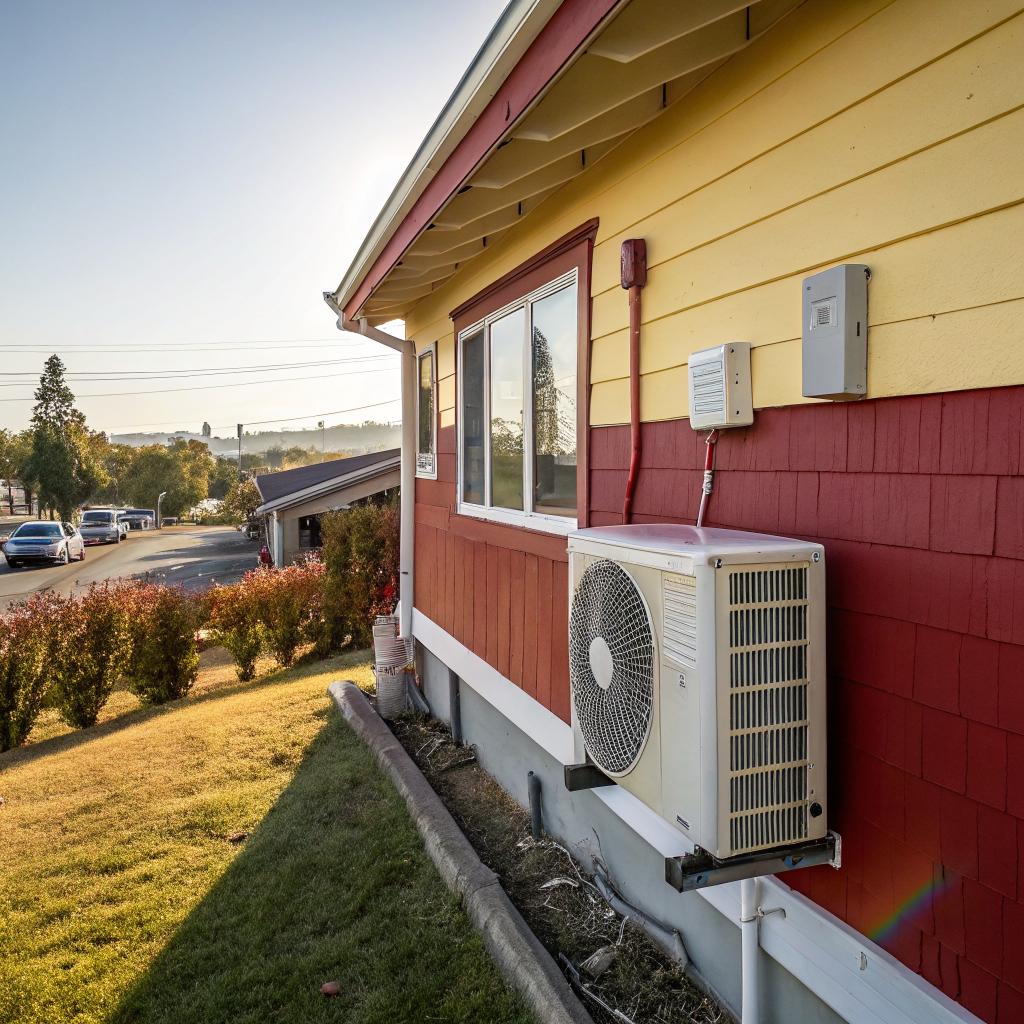
If you care for an older adult or someone with health issues in Valparaiso, you probably already know the short answer: yes, you should plan for air conditioning repair before it becomes an emergency. Heat can make breathing harder, raise blood pressure, affect memory, and even be dangerous for people who are frail. Having a reliable plan for air conditioning repair Valparaiso gives you one less thing to worry about when a heat wave hits.
That sounds simple. It rarely feels simple when the AC stops on a humid August night and the person you care for is flushed, restless, and asking why it is so hot.
This guide is for that real situation, not a perfect one. I will walk through how AC problems affect health, what you can check yourself, when to call a professional, and how to think about repair versus replacement when you are already stretched thin as a caregiver.
Why caregivers should think about AC repair differently
When you live alone and your AC quits, it is annoying. You might open windows, sit in front of a fan, and wait for a repair appointment. When you care for someone with limited mobility, heart disease, or dementia, the risk is higher and your options are fewer.
For many older adults, a broken AC is not just uncomfortable. It can push the body into real distress in a few hours, especially during a heat advisory.
Heat affects the body in several ways that matter a lot in caregiving:
- Many older adults do not feel thirst as strongly, so they dehydrate faster.
- Heart and lung disease makes it harder to cope with hot, humid air.
- Dementia can make it hard for a person to say they are too hot or move to a cooler room.
- Certain medicines change how the body sweats or holds fluid.
So for you, AC repair is part of health planning, not just home maintenance. It belongs in the same mental folder as medications, grab bars, and fall prevention.
How indoor temperature affects comfort, behavior, and safety
You probably have seen this yourself. When the house gets hot, the person you care for may get more restless or anxious. Or the opposite: more sleepy and withdrawn.
Temperature and common health conditions
| Health condition | How heat can affect it |
|---|---|
| Heart disease or heart failure | Extra stress on the heart, swelling in legs and feet, more fatigue |
| Chronic obstructive pulmonary disease (COPD) or asthma | Harder to breathe in humid air, more wheezing, risk of flare-ups |
| Diabetes | Changes in blood sugar, higher dehydration risk |
| Dementia or memory loss | More confusion, wandering, agitation, or refusal to drink liquids |
| Mobility limits | Harder to move to cooler spots, more risk of heat exhaustion |
I remember one caregiver telling me she thought her dad was having a stroke during a hot weekend. Slurred words, confusion, and weakness. It turned out to be heat exhaustion plus low blood pressure. The home was almost 85 degrees inside by the time the repair tech got there.
I am not saying every AC problem becomes that serious. It usually does not. But if you plan as if it could, you make better choices before things spiral.
Early signs your AC needs attention
AC systems rarely fail out of nowhere. There are hints. Some are easy to miss when you already have a full plate of medications, meals, and appointments.
Changes you might notice in daily caregiving routines
You might catch AC trouble first through how the person you care for behaves, rather than through the thermostat.
- They complain about feeling hot when the thermostat shows a normal number.
- You see more sweating or flushed skin in the afternoon than usual.
- They cannot sleep well because the room feels stuffy, not just warm.
- You notice their ankles or feet are more swollen in the evenings.
These are subtle, and they can have other causes, so I would not jump to blame the AC every time. But when you see them together with any of the signs below, it is worth taking seriously.
Common technical warning signs
- Uneven cooling: some rooms stay warm while others are cold.
- Weak airflow: vents are blowing, but the air is barely moving.
- Strange sounds: rattling, buzzing, grinding, or loud clicks.
- Short cycles: the system turns on and off every few minutes.
- Warm air: the AC runs, but the air feels only slightly cooler than room air.
- Moisture around the indoor unit: small puddles or a constant drip.
- Unusual smells from vents: musty, burnt, or chemical-like.
- Spike in power bill without a change in temperature settings.
If something about your AC feels “off” and you cannot put your finger on it, you are usually not imagining it. Subtle changes often come before breakdowns.
Because caregivers spend more time at home, you often notice these patterns more quickly than someone who is gone all day. That is an advantage, even if it does not feel like one.
A simple step-by-step check when your AC acts up
When an AC problem appears, especially during caregiving, the situation can feel urgent. That does not mean you need to panic. A short checklist can save time and help you explain the problem clearly if you call a repair company.
Step 1: Confirm the basics
Before you assume a major breakdown, look at these things first:
- Is the thermostat set to “cool” and not “heat” or “fan” only?
- Is the temperature set lower than the current room temperature?
- Is the thermostat screen on? If not, replace batteries if it has them.
- Have any circuit breakers tripped? Check the electrical panel.
It sounds almost too simple, but many service calls start here. Fatigue makes everyone miss small details sometimes.
Step 2: Check the air filter
A dirty filter is one of the most common reasons AC performance drops. It reduces airflow and makes the system work harder. That means more strain, higher bills, and more risk of breakdown.
If the filter looks gray and caked with dust, or you cannot see any light through it, it is time to change it. If you are caring for someone with allergies, COPD, or asthma, changing the filter regularly is even more important.
Step 3: Look at vents and registers
Walk through the home and check the vents:
- Are the supply vents open and not blocked by furniture, rugs, or boxes?
- Can you feel a steady flow of air from each one?
- Are the return vents (usually larger) clean and not covered?
This is where caregiving and home setup meet. Sometimes a bed or recliner has been moved to help with mobility or oxygen equipment, and it ends up blocking a vent without anyone really noticing.
Step 4: Listen to the system
Stand near the indoor unit and then outside near the condenser. Notice:
- Does the indoor blower run but the outdoor unit is silent?
- Does the outdoor fan spin smoothly?
- Is there a loud buzzing without the fan turning?
You do not need to diagnose the exact part that failed. Listening just gives you more detail to share when you call for help.
Step 5: Check for ice or water
Look at the visible piping near the indoor unit. If you see ice on the copper lines or white frost on the unit itself, turn the system off at the thermostat and turn the fan to “on” so it can thaw.
Pooling water around the indoor unit may mean a clogged drain line. In some cases, you can clear it if you know where it is, but many caregivers prefer to leave that to a technician, which is reasonable.
Once you have checked the simple things, do not keep restarting a struggling system again and again. That can cause more damage and, honestly, it adds stress you do not need.
Health-focused temperature and humidity tips for Valparaiso homes
Valparaiso summers can be humid. Humidity matters for comfort and health almost as much as temperature. A home at 78 degrees with reasonable humidity feels very different from 78 degrees with heavy, sticky air.
Choosing a safe temperature range
There is no single perfect number, but many caregivers and doctors aim for:
- Daytime: 74 to 78°F, depending on clothing and bedding
- Night: 72 to 76°F for sleep, especially in bedrooms
If the person you care for has trouble regulating body temperature, tends to get chilled easily, or is underweight, you might keep it slightly warmer but watch for signs of overheating like confusion or swelling.
Watching humidity levels
Ideally, indoor humidity falls somewhere around 40 to 50 percent. Higher levels feel heavier and may worsen breathing for some people. Lower levels can dry out skin and airways.
Most modern thermostats or small plug-in devices can display humidity. If you see readings constantly above 60 percent inside, your AC might not be removing enough moisture, or there may be other moisture sources in the home.
Planning AC repair around caregiving needs
One of the hardest parts is timing. AC units often fail when they are working hardest, late afternoons or evenings, when repair calls are busy and the person you care for is tired.
Questions to ask yourself during a breakdown
Before you call, take a breath and think through a few key questions. Not from a place of panic, but from a practical stance.
- How vulnerable is the person I care for to heat? Heart problems? Breathing issues? Dementia?
- How hot is it outside right now, and what is the indoor temperature?
- Do we have fans, a portable unit, or a cooler room we can use for a few hours?
- Is there a neighbor or family member who can help with transport if we must leave the home?
If the person you care for is medically fragile, you may decide that same-day or emergency service is worth the higher cost. If they are reasonably stable and the house is still in the mid-70s, you might wait for a regular appointment the next morning. There is no single right answer here. Some caregivers will choose safety over cost every time. Others balance both because the budget is tight.
Repair versus replacement: what caregivers should weigh
Few things raise stress faster than hearing, “You might be better off replacing this unit.” It often comes up when you least feel ready for a big expense.
Key factors to think about
Here are some points that can guide your decision:
| Factor | Repair may make sense if… | Replacement may make sense if… |
|---|---|---|
| System age | Under 10 years old, few past repairs | Over 12 to 15 years old, frequent issues |
| Cost of repair | Small share of a new unit cost | Near half or more of a new unit cost |
| Reliability needs | You can manage short outages with backup options | The person you care for cannot safely tolerate repeated failures |
| Energy bills | Bills are stable and reasonable | Bills keep rising and usage has not changed |
| Comfort level | Home is usually comfortable between repairs | Hot spots, noise, or humidity problems are constant |
I sometimes hear people say, “The tech is just trying to sell me something.” Sometimes that does happen, to be fair. Other times, the system is at the end of its life and repeated small repairs end up costing more, both in money and stress, than replacing it earlier.
How caregiving shifts the math
When you are responsible for someone else’s health, reliability often matters more than squeezing a few extra years from an old unit. An unexpected failure during a heat wave can mean:
- Scrambling to find a temporary place to stay.
- Physical stress from moving someone with mobility issues.
- Disruption that worsens confusion for a person with dementia.
In that context, a newer, more stable system can be part of your caregiving safety plan. That does not mean you should rush into a replacement without clear reasons. It just means the “value” you get from better reliability is high.
Preventive maintenance for caregivers with limited time
Most AC guides say, “Just keep up with regular maintenance,” which sounds fine until you realize your week is already packed. So, what is realistic if you are a caregiver in Valparaiso and not an HVAC hobbyist?
Simple tasks you can manage
- Filter changes: Mark your calendar or phone every 1 to 3 months, depending on filter type and how dusty the home tends to be.
- Clear space around outdoor unit: Keep plants, leaves, and debris at least a couple of feet away.
- Check vents quarterly: Walk through the home and make sure no vents are blocked after furniture moves.
- Power bill review: Once in a while, compare current bills with the same month last year, adjusting for rate changes if you know them.
You do not need to climb on the roof, open units, or handle refrigerant. In fact, you should not. That is professional territory.
Professional maintenance visits
Most technicians recommend at least one AC checkup a year, usually in spring before serious heat hits. For caregivers, scheduling this can be tricky because of appointments and routines.
Some families pick a “house care month” where they cluster things like AC maintenance, duct checks, and dryer vent cleaning into the same two or three weeks. That way it becomes a planned, predictable part of the year.
If you do arrange a visit, you might ask the technician to focus on:
- Checking refrigerant levels and looking for leaks.
- Inspecting electrical connections and safety controls.
- Cleaning coils and checking the condensate drain.
- Measuring airflow and temperature differences.
Ask questions if you do not understand something. A good technician is used to this. If the answer feels rushed or vague, it is okay to say, “Could you explain that in simpler terms?” You are not being difficult. You are managing someone else’s health environment.
Home accessibility and AC: details that are easy to miss
Caregiving often involves changes to furniture layout, medical equipment, and how you move through the home. All of that can affect how well your AC works.
Furniture, beds, and vents
Common issues that arise after home modifications:
- A hospital bed or lift chair ends up covering a key supply vent.
- Portable ramps or walkers are stored in front of return vents.
- Privacy curtains around a bed block airflow in a bedroom.
These changes help with mobility and safety, but they interfere with cooling if no one adjusts vent direction or room layout. Sometimes the fix is simple, like adjusting louvers or moving a small piece of furniture.
Medical equipment and temperature
Some medical devices are sensitive to heat. Concentrators, certain pumps, and electronic equipment can overheat if the room is hot and stuffy.
If one room holds oxygen equipment or medical electronics, consider:
- Keeping that room within a narrower temperature range.
- Making sure vents are wide open and not obstructed.
- Using a small fan to improve air movement, but not aimed directly at the person’s face if they dislike drafts.
What to expect from a Valparaiso AC repair visit
Part of the stress around AC repair is not knowing what will happen when the technician arrives, or how long it will take. When you care for someone who needs rest or uses mobility aids, planning becomes even more important.
Before the appointment
Try to prepare a short set of notes:
- When you first noticed the problem.
- Any sounds, smells, or patterns you saw.
- Any recent changes in the home, like new equipment or furniture moves.
- Health needs that might affect timing, like nap schedules or oxygen use.
If phone calls are hard to make because you cannot step away, some companies allow online scheduling or text messages. If not, you might ask a family member to call for you but stay nearby so you can answer questions.
During the visit
You can expect the technician to:
- Look at both indoor and outdoor components.
- Check electrical parts, refrigerant, and airflow.
- Run the system through a full cooling cycle.
If the person you care for gets anxious around strangers, you may want to explain briefly what is happening. Something like, “Someone is fixing our cooling so it will feel better in here. They will be in the other room for a bit.” Simple, concrete explanations tend to work best.
Discussing repair options
When the technician explains the problem, ask:
- “Is this a safety issue or mostly a comfort issue right now?”
- “If we do this repair, how long do you expect it to last, roughly?”
- “Are there other parts close to failing, based on what you see?”
- “If this were your parent in this situation, what would you recommend?”
You will not always get a perfect, crystal clear answer. But these questions often lead to more honest conversation about risk and cost, instead of just a rushed yes or no.
Emergency heat plans when AC fails
Even with the best planning, there may be times when the system stops working and repair is delayed. Having a basic backup plan reduces panic.
Short-term cooling steps
Some practical things you can do while waiting for repair:
- Move the person you care for to the coolest room, often a lower floor or a shaded room.
- Use fans to move air, but avoid placing a strong fan directly in front of someone who is very frail or has trouble maintaining body temperature.
- Keep curtains or blinds closed on the sunniest side of the home.
- Limit oven and stove use during the hottest hours.
- Offer cool fluids often, as long as their doctor has not limited fluids.
If you have a portable AC unit, this is the time to use it in a single “safe room.” Even if the rest of the house is warmer, keeping one room cooler can protect the person you care for.
When to leave the home
This is a hard decision and may not be the same for every family. Some caregivers set their own thresholds, such as:
- If indoor temperature stays above 80°F for more than a few hours.
- If the person you care for shows signs of heat exhaustion like dizziness, nausea, or confusion.
- If there is a heat advisory and you have no working cooling at all.
Possible options:
- Staying with family or friends who have working AC.
- Asking if any local senior centers or community centers act as cooling sites.
- Talking with case managers or social workers about emergency resources if you are connected to a clinic or agency.
I know leaving home is not simple if you depend on special equipment or accessible bathrooms. Sometimes the safest choice is still to leave, but it takes coordination. If you think this might be necessary at some point, you can write a brief “cooling evacuation plan” ahead of time and keep it with your other care papers.
Balancing comfort, cost, and your own energy
Caregivers often put their own comfort last. You might be tempted to keep the house warmer than feels good to you just to save on the bill. Or you may argue with yourself about calling for repair because you do not want to seem “fussy.”
Your comfort is not separate from the quality of care you give. A caregiver who sleeps in a hot, sticky room and wakes up exhausted is more likely to miss medication doses or cues of distress.
So, when you think about AC repair and maintenance, include yourself in the picture. Not as an afterthought, but as part of the system that keeps the person you care for safe.
Questions and answers caregivers often have
Q: Is it really worth paying for yearly AC maintenance when money is tight?
A: It depends on the condition of your system and how vulnerable the person you care for is. If the AC is fairly new and has had no issues, you might stretch the visit to every other year, while still changing filters regularly. If breakdowns would be dangerous for your family member, yearly checks can be cheaper than emergency visits and less stressful in the long run. You do not need to sign up for every plan offered; pick what fits your reality, not a perfect ideal.
Q: What temperature should I set the thermostat to at night for an older adult?
A: Many caregivers aim for somewhere between 72 and 76°F at night. Look at how the person sleeps, whether they sweat or feel chilled, and whether they wake up with headaches or swelling. If they use a lot of blankets or a heated mattress, you might keep the room a bit cooler. If they tend to get very cold, go a bit warmer but watch for signs of overheating during heat waves.
Q: How do I know if a repair company is being honest with me?
A: No method is perfect, but there are some red flags. Be cautious if someone pressures you hard to replace your system immediately without explaining why, especially if the unit is under 10 years old. Ask them to show you the failed part, explain what it does, and give you a written estimate with parts and labor listed. You can also ask for a second opinion if the cost feels out of proportion. If a company is patient with questions and does not rush you into decisions, that is often a good sign.
Q: How can I fit AC upkeep into my already packed caregiving schedule?
A: Try to link AC tasks to things you already do. For example, change the filter every time you pick up recurring prescriptions or right after a routine doctor visit. Do a quick vent check when you change bedding throughout the house. For bigger tasks like yearly maintenance, treat them like a medical appointment for the house and schedule them at the same time each year. It will never be perfectly smooth, but small routines help.
Q: The person I care for keeps changing the thermostat. What can I do?
A: This is common in dementia and sometimes with anxiety. You could try a thermostat cover that locks, but that can also cause frustration. Another approach is to talk with their doctor about safe ranges and then set a slightly narrower allowed range on a programmable or smart thermostat. Some caregivers also keep a simple written note near the thermostat saying, “The doctor wants the house between X and Y degrees for your health.” It does not always fix the habit, but it can reduce arguments and give you something neutral to refer to.
Q: When should I call for help instead of trying to manage the heat at home?
A: If the person you care for shows signs of heat exhaustion or stroke, such as confusion, fainting, chest pain, rapid pulse, or severe shortness of breath, call medical services first and worry about AC later. For the home itself, if you know the AC is not working and the forecast is very hot and humid, it is reasonable to call a repair company early, before the house gets uncomfortable. If you are unsure, asking yourself, “Would I be worried if my parent or child lived here alone in this heat?” can be a useful test.