
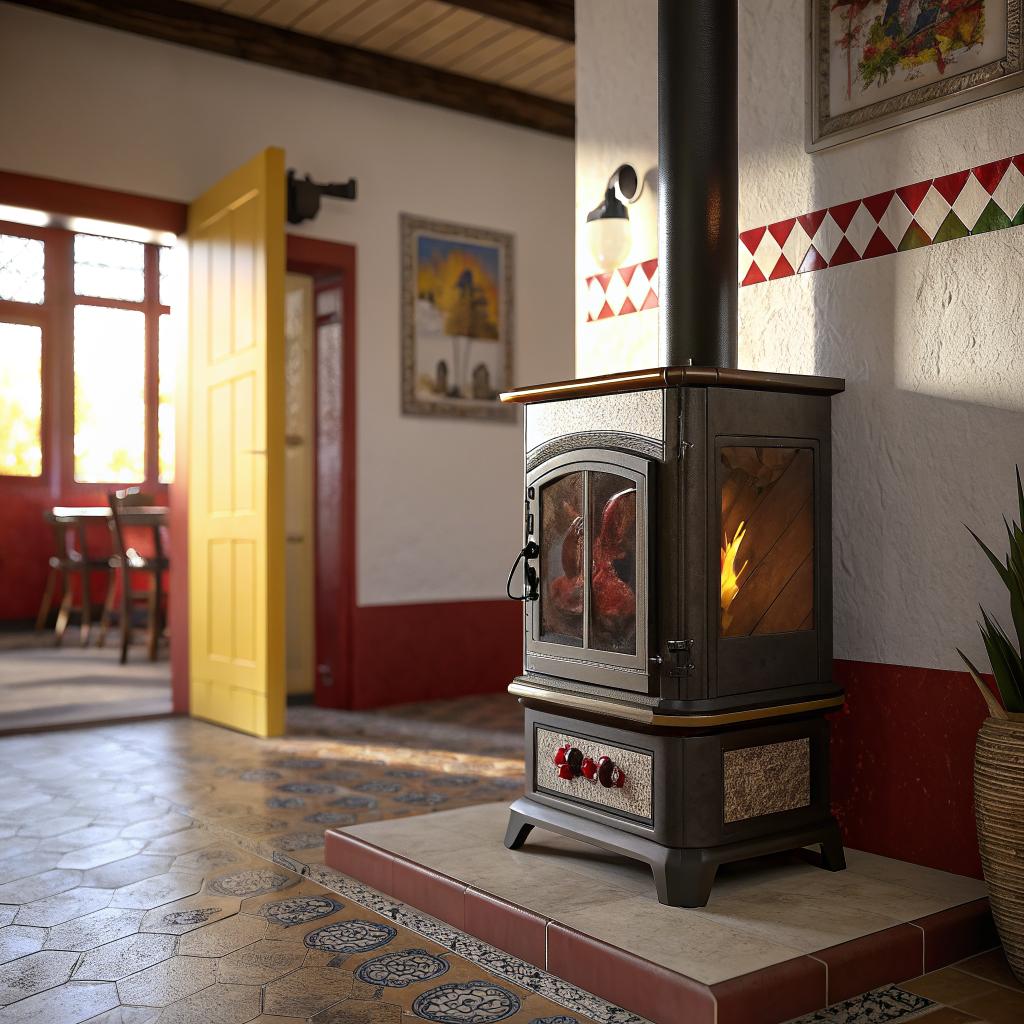
If you care for an older adult or a family member with health concerns, safe heat is not optional. It is non‑negotiable. In a dry, high‑desert city like Albuquerque, a furnace that works well and vents correctly can make the difference between a calm night and a trip to the ER. Regular checks, basic cleaning, and timely Albuquerque furnace repair give you a safer home, more stable temperatures, and fewer breathing problems for the person you care for.
That is the short version.
The longer version is that caregiving homes are different from other homes. You might have oxygen tanks in the bedroom, mobility devices blocking quick exits, medications that affect body temperature, or someone who cannot smell gas or smoke. A small furnace problem that a healthy person could ignore for a while can be far more serious when you care for an older parent, a disabled partner, or a child with medical needs.
I want to walk through how a furnace works, the main safety risks, and what you can reasonably do yourself. I will also share where I think people should stop and call a professional, even if they are very handy. I do not think everything should be a DIY project, especially around gas and fire.
Why furnace safety matters more in caregiving homes
A furnace is not just about comfort. For a lot of people, it is about health stability and even survival. That sounds strong, but if you care for someone with heart issues, lung disease, or trouble regulating body temperature, you already know how fast a cold room can trigger problems.
Some reasons a safe, well maintained furnace matters more in a caregiving space:
- Many older adults feel cold more easily and are at higher risk for hypothermia.
- People with dementia may not say “I am freezing” in a clear way, or may not adjust blankets.
- Chronic lung disease, asthma, or recent surgery can be made worse by poor air quality or fumes.
- Mobility limits make fast evacuation harder if there is a fire or gas leak.
- Medications can affect circulation, breathing, and how someone reacts to cold or heat.
A furnace problem that is just “annoying” in one house can be an emergency in a caregiving home, because the person you care for may not sense danger or move quickly if something goes wrong.
So you are not just aiming for “the heat turns on.” You are aiming for steady, clean, and predictable heat, with as few surprises as possible.
How your furnace actually keeps the house safe (or unsafe)
You do not have to be a technician, but a simple picture of how the system works helps you spot trouble sooner. I am going to keep this very plain.
The basic steps a gas furnace takes
Most homes in Albuquerque use gas furnaces. The steps below are simplified, but enough to understand safety points.
- Thermostat calls for heat.
- Control board starts the furnace cycle.
- Inducer fan turns on to push exhaust toward the vent.
- Ignitor lights the gas burners.
- Burners heat the heat exchanger metal.
- Blower fan pushes room air across that hot metal.
- That warmed air goes through ducts into rooms.
- Exhaust from the gas leaves through the vent to the outside.
Room air and combustion gases stay separate. That is the whole safety idea. You want heat, not fumes.
From a safety point of view, the key parts are the gas supply, the burn area, the heat exchanger, and the venting system. If any of those are damaged or blocked, risk goes up sharply.
Why this matters for caregivers
If you care for someone with fragile health, you may need to think about heat in a more detailed way:
- Short furnace cycles can mean poor temperature control, and that can trigger pain, stiffness, or breathing problems.
- Burner problems can create more carbon monoxide, which is dangerous for anyone, and even more for someone who already has low oxygen levels.
- Poor filtration can add dust to the air, which is an issue if your loved one is mostly home and breathing that air day and night.
You do not have to obsess about every sound. But noticing changes early, and not dismissing them, is part of keeping a safer caregiving home.
Common furnace risks in Albuquerque homes
Albuquerque has its own mix of issues. Dry air, dust, older housing stock in some areas, and temperature swings from day to night. You might already know that your swamp cooler needs regular work. Furnaces are similar in the sense that dirt and age catch up with them.
| Risk area | What you might notice | Why caregivers should care |
|---|---|---|
| Carbon monoxide | Headaches, nausea, “flu” that feels strange | Hard to notice in someone with dementia or speech issues |
| Gas leaks | Smell of rotten eggs, hissing near lines | Oxygen tanks or smoking can make this far more dangerous |
| Dirty filters | Extra dust, weaker airflow, more noise | Can worsen asthma, COPD, allergies |
| Flame rollout | Burn marks on furnace cabinet, hot smell | Higher chance of nearby items catching fire |
| Electrical issues | Furnace turns on and off, breaker trips | Unreliable heat, more stress overnight |
I know some people ignore small heating problems for months. In a caregiving home, that is not a great habit. Waiting tends to make repairs more expensive and more disruptive, and you get more nights of poor sleep trying to “monitor” things.
Simple furnace checks you can safely do yourself
You probably already handle a lot of tasks. Medications, appointments, bathing, meals. I do not think you need another heavy list. So I will focus on a few checks and habits that give you the most safety benefit with reasonable effort.
1. Change the filter on a real schedule
I know this is repeated everywhere, but there is a reason for that. A clogged filter strains the furnace and pushes dust through the system.
For a caregiving home, a decent rule of thumb:
- Basic one inch filters: check monthly, change every 1 to 2 months in heating season.
- Thicker or high‑quality filters: check every 2 months, change per label or sooner if dirty.
When you pull the filter out, ask yourself:
- Can I see light through it at all?
- Does it look gray or brown instead of white?
- Is there visible fuzz, pet hair, or dust buildup?
If the answer is yes to those last two, it is time for a new one.
For anyone with asthma, COPD, or frequent lung infections, a clean furnace filter is not just about the furnace. It is part of their daily breathing support.
2. Keep the area around the furnace clear
Many people use the furnace room as a storage zone. Boxes, holiday items, cleaning supplies, maybe even old paint cans. I understand why, especially if space is tight. Still, from a safety point of view, that is risky.
Try to keep at least 3 feet of clear space on all sides of the furnace. At minimum:
- No cardboard boxes stacked against the furnace cabinet.
- No laundry baskets or linens in front of the access panel.
- No flammable liquids in the same closet or small room as the furnace.
If your loved one uses oxygen, be extra strict about this. Oxygen can feed a fire very fast. You do not want tanks or long tubing near open flames or even near the furnace area.
3. Listen and watch during a heat cycle
Pick a quiet time during the day, set the thermostat a few degrees higher for a moment, and pay attention to what happens. This sounds simple, but most people never do it unless they suspect a problem.
Notice:
- How long it takes from thermostat click to burner ignition.
- Whether you hear scraping, banging, or high‑pitched whining.
- If the burners stay on steady or flicker a lot.
- If the blower fan runs smoothly or has a rattle.
You are not diagnosing anything. You are just learning what “normal” sounds like. Then, a few months later, if something changes, you will pick it up faster.
4. Look at the burner flame color
If you feel safe doing so, and if you can see the flames through a small window or by opening a panel that is meant for homeowner access, check the flame.
A healthy gas flame is:
- Steady blue with maybe a small yellow tip.
- Even along the burner.
Concerning flames can be:
- Mostly yellow or orange.
- Very shaky or lifting off the burner.
- Uneven, with some parts not lighting.
If you see odd flames, do not try to adjust gas yourself. Treat it as a sign that you need a visit from a qualified technician. It might be dirt, lack of oxygen, or something more serious like a damaged burner or heat exchanger.
Signs your caregiving home needs furnace repair right away
I am not going to tell you to call for help over every little noise. Most people cannot afford that, and it would be overkill. But there are some warning signs that do deserve fast attention.
Red flag signs
- Repeated smell of gas anywhere near the furnace or gas lines.
- Carbon monoxide detector beeping or showing high readings.
- Soot or scorch marks on the furnace cabinet or nearby walls.
- Loud banging or metal‑on‑metal sounds when the furnace starts or stops.
- Furnace running but only cold air coming through vents for more than a few minutes.
- Breaker that keeps tripping when the furnace runs.
If you care for someone who cannot easily walk, get out of bed, or move without help, these red flags affect your safety planning more than they would in a house full of healthy adults.
When you notice a serious furnace warning sign, think in two tracks at once: “Who can repair this?” and “How do we stay safe and warm while we wait?” You need both plans, not just one.
Building a furnace safety routine around caregiving tasks
Your days may already feel packed, so the idea of a new “routine” can sound tiring. The good thing is that furnace safety tasks are not daily. You can fold them into tasks you already do by season.
Before heating season starts
In Albuquerque, you can often get away with light heat early in fall and more serious use later. A few weeks before you start using the furnace every day, consider:
- Changing the filter.
- Clearing storage away from the furnace.
- Checking that all room vents are open and not blocked by furniture or medical equipment.
- Testing carbon monoxide and smoke detectors.
- Scheduling a professional inspection if it has been more than a year.
Also look around rooms where the person you care for spends most of their time. Is there a vent in that room? Is it actually blowing warm air when the furnace runs? People sometimes close vents in “unused” rooms, but that can include a back room that now serves as a quiet space for a recovering patient or an aging parent. Habits change when caregiving starts, yet vents stay permanently closed in some houses.
During heating season
During the colder months, a simple monthly check can help:
- Glance at the filter when you pay bills or fill pill boxes.
- Walk by the furnace area to be sure nothing has migrated close to it.
- Ask yourself if you have noticed new sounds or smells.
- Notice how your loved one is sleeping: are they shivering, sweating, or complaining about drafts?
Sometimes repeated waking, confusion at night, or restlessness is partly about room temperature swings, not just disease changes or anxiety.
When caregiving needs change
If a doctor changes medication, the person comes home from the hospital, or someone new moves in, rethink the temperature plan. Some examples:
- After a stroke or surgery, people can feel cold all the time and may need a slightly warmer house.
- Parkinsons, thyroid disease, or certain psychiatric medications can affect body temperature.
- If an infant joins the home, sleep safety rules and room temperature needs shift again.
It may feel small to adjust a thermostat setting a few degrees, but it can affect falls, joint pain, or confusion, especially overnight.
Balancing warmth and air quality for fragile lungs
For people with asthma, COPD, or chronic heart failure, air quality is as critical as warmth. Heat that triggers coughing is not really “comfortable,” even if the number on the thermostat looks fine.
Furnace related triggers for breathing problems
Some common triggers tied to heating systems include:
- Dust and pet dander stirred up when the blower turns on.
- Mild fumes from a furnace that has not run in a while.
- Strong temperature swings between rooms.
- Overly dry air that irritates the nose and throat.
A few practical ways to reduce these without turning your home into a science lab:
- Use a higher quality filter that is rated for fine particles, but still works with your furnace model.
- Vacuum vents, grilles, and return air areas more often, especially in the main caregiving room.
- Ask your technician if the blower speed and duct setup are suitable for your home size.
- Consider a portable humidifier in the bedroom if winter air feels very dry, but clean it regularly.
I have seen families buy a fancy air cleaner and then leave a black, clogged furnace filter in place for a year. The simple step was the one they skipped.
Special safety concerns: dementia, low vision, and mobility limits
Caregiving homes are not only different because of medical issues. They are different because of how people move and sense the environment.
People who wander or have confusion
If your loved one has dementia, they might open doors, remove covers, or touch things in the furnace room out of curiosity. You can lower risk by:
- Keeping the furnace area door closed at all times.
- Using a simple door alarm if wandering is common.
- Avoiding storage of attractive “stuff” in that room that might draw them in.
Explain to other family members or helpers why the furnace area must stay closed. Not as a suggestion, as a house rule.
People with low vision or mobility devices
Space around vents and along main paths should be clear. This is partly about falls, partly about air flow.
- Do not run cords, oxygen tubing, or walker ramps over or directly in front of floor vents.
- Check that grab bars, raised toilet seats, and other devices are not blocking heat in bathrooms or bedrooms.
- If you have heavy furniture used for support, make sure it does not cover wall vents.
Cool spots in the house can increase stiffness and pain, which then make moving safely even harder. So, room layout and furnace performance are more linked than they first appear.
When to insist on professional furnace service
I think it is fine to vacuum vents, change filters, and learn your furnace sounds. I do not think it is wise to adjust gas lines, bypass safety switches, or open sealed combustion parts yourself, unless you are actually trained for that.
Situations where you should not DIY
- You suspect a crack in the heat exchanger.
- The flame looks wrong and you smell strange odors.
- You need to re‑run vent pipes or move the furnace.
- There are repeated error codes on the furnace control board.
- The furnace is older than 15 to 20 years and has frequent breakdowns.
In a caregiving home, one hidden risk is constant “temporary fixes.” Resetting breakers over and over, relighting pilots without finding the cause, or taping over a loose vent connection. Each small workaround feels minor, but over time the safety margin shrinks.
Planning for outages and breakdowns when someone depends on stable heat
No furnace is perfect. Even with good care, there can be nights when it fails. For most healthy people, wrapping in blankets and waiting for service is annoying but manageable. For a frail person, it can be dangerous.
Backup heating ideas
Some options are better than others. Electric space heaters, for example, can be helpful but also risky if misused.
- If you use a space heater, choose one with tip‑over and overheat shut‑off.
- Keep at least 3 feet clear around it, especially from bedding and oxygen tubing.
- Plug it directly into a wall outlet, not into an extension cord.
You might also identify a nearby friend, neighbor, or relative whose home you can use for a night if your house gets too cold. This is harder if transferring your loved one is complex, but thinking about it early is easier than deciding at 2 a.m. during a cold snap.
Coordinating furnace care with medical care
Heat and air quality are part of health, but they rarely come up in short medical visits. You can bring them in yourself. Next time you see the doctor or nurse, you might ask:
- Is there a temperature range that is safer for this condition?
- Do any medications they take affect sweating or feeling cold or hot?
- Would a carbon monoxide exposure show as anything different in their case?
You do not have to become anxious about every degree on the thermostat. But even small guidance like “try to keep their room between 68 and 72 degrees” or “try to avoid very dry air” can reduce guesswork.
Putting it together in daily caregiving life
If all of this sounds like a lot, it may help to shrink it down into a simple pattern.
- Season start: get a professional check once a year, change filter, clear space, test alarms.
- Monthly: check filter, scan the furnace area, listen for new sounds.
- Any time something seems off: odd smell, strange noises, frequent on‑off cycles, call for advice rather than pushing through for months.
You do not have to do everything perfectly. No one does. What you can do is raise the standard a bit compared to a typical household, because the stakes are a little higher where you live.
Common questions caregivers ask about furnace safety
Q: My loved one is always cold. Is it safer to just crank the heat?
Not always. Higher temperatures can dry the air more, which may irritate lungs and skin, and can sometimes lead to low blood pressure in some people. Before you push the thermostat way up, you might try:
- Layered clothing that is easy to remove if they get warm.
- Warm socks and a hat indoors, since heat loss through the head and feet can be significant.
- Checking for drafts around windows and doors near where they sit or sleep.
If they are still cold, bring it up with their doctor. There might be medical reasons, like anemia or thyroid problems, that need attention.
Q: How often should I schedule professional furnace service in a caregiving home?
Once a year is a common minimum, often before peak heating season. In a caregiving home, that yearly visit has extra value, because it gives you a chance to find issues before they affect a vulnerable person. If your furnace is older or if you have had repeated small issues, you might choose to have it looked at more often, but yearly tends to be a reasonable base line.
Q: Is it safe to close vents in rooms we do not use to push more heat to the caregiving room?
People often think closed vents save money or push heat where it is needed. In practice, closing too many vents can cause pressure problems in the duct system, which can strain the furnace and create uneven heating. A better approach is usually to keep most vents open, then:
- Make sure the caregiving room vent is fully open and not blocked.
- Use draft stoppers or weatherstripping in that room.
- Add safe, layered bedding and clothing.
If the room still does not warm well, you may have a duct or sizing issue worth discussing with a heating professional.